

Explore Medical Careers
Nursing & Patient Care
 Certified Nursing Assistant
Working as a Certified Nursing Assistant is an entry-level role that will give you hands-on experience when you are ready to take the next step in your medical career.
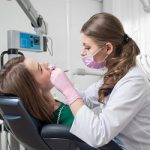 Dental Hygienist
Dental hygienists take care of cleaning teeth to promote hygiene and help avoid cavities and gum problems.
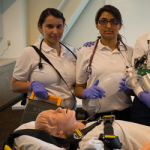 EMT
EMTTrained emergency medical technician that arrives at the scene to provide medical services such as resuscitation.
 Home Health Aide
Home health aides provide home care to individuals who require assistance in their day-to-day living.
 Licensed Practical Nurse (LPN)
Licensed Practical Nurses provide basic nursing care to patients and work with Registered Nurses and Doctors.
 Nurse Practitioner
A Nurse Practitioner can diagnose, treat, counsel, and prescribe medications to patients in hospitals or doctors’ offices.
 Patient Care Technician
Patient care techs work directly with patients helping them with daily activities and assist the medical staff by measuring and monitoring the patients' vital signs among other tasks.
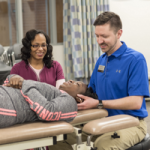 Physical Therapist Assistant
Physical therapist assistants provide physical therapy services to patients and aide to physical therapists.
 Professional Recovery Coach
A professional recovery coach is a life coach who works with someone during their addiction recovery process.
 Registered Nurse (RN)
Registered Nurses provide hands-on patient care in various settings, mainly hospitals, and clinics.
Allied Health & Clinical
 Dental Assistant
Dental assistants help dentists to provide patient care, keep records, and care for the dental equipment.
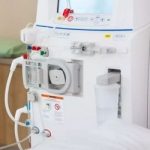 Dialysis Technician
Dialysis technicians maintain and monitor dialysis equipment, and also act as primary caregivers for patients undergoing dialysis treatment.
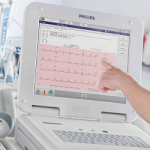
 Medical Assistant
Medical assistants support the work of physicians, nurses, and other health professionals.
 Medical Technologist
Medical laboratory technologists collect bodily samples and conduct tests to analyze those samples.
 Mental Health Technician
A Mental Health Technician is a healthcare support professional who assists licensed clinicians in caring for individuals with mental, emotional, or behavioral conditions.
 Nutritionist
As a Nutritionist, you’ll be tasked with creating meal plans, counseling, and understanding dietary restrictions for all types of clients.
 Optician
Opticians are technicians and salespersons at the same time who spends most of their day talking to customers, reading prescriptions written by doctors, and dispensing glasses and lenses.
 Pharmacy Technician
Pharmacy technicians provide patients with medications through prescription or over the counter.
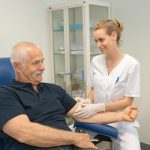 Phlebotomy Technician
As a Phlebotomist, it will be your responsibility to take blood samples from patients and send them to the lab for further testing.
 Sterile Processing Technician
A sterile processing technician is a healthcare professional who is responsible for preparing, sterilizing, maintaining, packaging, and storing medical tools and equipment used in surgical and other medical procedures.
 Surgical Technologist
Surgical technologists – also known as operating room techs – prepare operating rooms and assist doctors and nurses during surgical procedures.
Imaging & Diagnostic
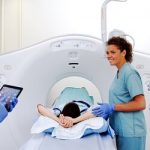 MRI Technologist
MRI Technologists use a machine to scan the body and create a detailed image of the inside for doctors to analyze.
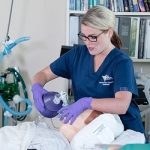 Respiratory Therapist
Respiratory therapists treat and care for patients who experience breathing difficulties.
 Ultrasound Technician
Ultrasound technicians aid physicians in monitoring and diagnosing patients through the use of ultrasonic imaging technology.
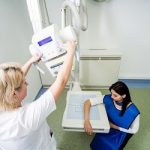 X-Ray Technician
X-Ray Technicians are medical imaging professionals who use technology to visualize the inside of our bodies.
Healthcare Admin & IT
 Healthcare Administrator
Healthcare administrators – also known as healthcare executives or health services managers – are responsible for the planning, direction, and coordination of medical and health services.
 Medical Biller and Coder
Medical billers and coders manage, organize, and code various health information data.
 Medical Office Manager
Medical Office Managers are unseen masters of controlled chaos, juggling the needs of healthcare professionals while keeping the non-clinical side of the office humming.
 Medical Transcriptionist
Medical transcriptionists go over voice recordings to convert them into written texts.
 Patient Access Representative
The work involves helping people to orient themselves to the space and everything that is going on.
 Registered Health Information Technician
Registered Health Information Technician (RHIT) help store and verify accuracy of health records as well as analyze patient data.
Animal Care
 Dog Groomer
Dog groomers attend to grooming dogs, usually at dog salons or big pet-related chain stores.
 Veterinary Assistant
Veterinary Assistants work closely with Veterinarians to handle routine animal care.
 Vet Office Manager
Veterinary office managers work to make sure that the daily operations run smoothly and efficiently at veterinary hospitals or veterinary clinics.
 Veterinary Technician
Veterinary Technicians assist veterinarians as well as diagnosing and treating animals, mostly in private clinics.
Choosing a Career in Healthcare
A career in healthcare can be rewarding, meaningful, and financially stable.
Whether you’re just starting out, changing careers, or looking to advance, the medical field offers a wide range of opportunities to match different goals, lifestyles, and education levels.
If healthcare feels like the right fit for you, the next step is identifying realistic, attainable career paths that align with your interests, budget, and long-term plans.
That’s where Explore Medical Careers comes in.
Understanding Your Financial Situation
Your financial situation plays a major role in choosing the right educational path.
It can affect the type of program you enroll in, how long you’re in school, and how manageable life feels while you’re studying, and after you graduate.
As you explore your options, consider:
- Your current savings and ability to work while enrolled
- Tuition costs and living expenses
- Eligibility for scholarships, grants, or employer tuition assistance
- Student loans, family support, or other financing options
- Long-term debt repayment and potential loan forgiveness programs
Choosing a program that fits your financial reality can help you move forward with confidence instead of stress.
How Much School Is Right for You?
Healthcare careers vary widely in education requirements.
Some roles can be entered with a high school diploma or a short training program, while others require associate’s, bachelor’s, or advanced degrees.
Ask yourself:
- How many years of schooling are you willing and able to commit to?
- Can you attend full-time, or do you need a part-time or flexible schedule?
- Do you want to enter the workforce quickly or aim for long-term advancement?
Making a realistic assessment before enrolling can save you time, money, and frustration.
Online Programs vs. Local Schools
Traditional colleges and vocational schools remain popular choices, but many healthcare programs are now available online or in hybrid formats.
Online programs can be a great option if you’re balancing:
- A full-time job
- Family or caregiving responsibilities
- Limited access to local schools
Keep in mind that while many programs offer online coursework, some careers still require in-person clinical training.
Always confirm which portions of a program can be completed online and what local requirements may apply.
Earning Potential & Career Growth
Income matters.
Especially when you’re investing time and money into education.
When comparing careers, look beyond entry-level salaries and consider long-term earning potential.
Some healthcare roles offer:
- Faster entry into the workforce
- Strong starting pay
- Advancement opportunities with additional training or certifications
Others may start lower but provide greater earning growth over time.
Understanding these differences can help you choose a path that supports your financial goals.
Work-Life Balance & Personal Fulfillment
A successful career isn’t just about pay.
It’s also about quality of life.
The right healthcare career should align with your interests, values, and personal responsibilities.
Consider:
- Typical schedules and shift work
- Stress levels and work environments
- Opportunities for flexibility or advancement
- How the role fits into your lifestyle
If a job description doesn’t excite you, it may not be the right long-term fit, no matter how good it looks on paper.
Find the Right Healthcare Career for You
Healthcare offers opportunities for people from all backgrounds, education levels, and life stages.
Whether you’re interested in nursing, allied health, medical support roles, or administrative careers, there’s a path that can work for you.
Explore career options, compare training programs, and find schools near you or online, right here at ExploreMedicalCareers.com.
Frequently Asked Questions
How long does it take to start a career in healthcare?
Some healthcare careers can be started in under one year through certificate or diploma programs, while others require two or more years of education.
The timeline depends on the role, program length, and whether you attend full-time or part-time.
Can I work while going to school for a healthcare career?
Yes.
Many healthcare programs offer flexible schedules, including online, evening, and part-time options.
This allows students to work while completing coursework, though some careers still require in-person clinical training.
Are online healthcare programs legitimate?
Yes, many online healthcare programs are legitimate and accredited.
However, some careers require hands-on clinical experience that must be completed in person.
Always verify accreditation and state licensure requirements before enrolling.
Which healthcare careers are in high demand?
High-demand healthcare careers include nursing, medical assisting, dental assisting, phlebotomy, and health information roles, such as medical billing and coding.
Demand varies by location and is driven by population growth, aging demographics, and expanding healthcare services.
How do I become a nurse in my state?
To become a nurse, you must complete an approved nursing program and apply for licensure through your state’s Board of Nursing.
After approval, you’ll receive authorization to take the NCLEX exam.
Do healthcare careers pay well?
Many healthcare careers offer competitive pay, even at the entry level.
Salaries vary by role, location, and experience, with higher earnings possible through certifications, specialization, and career advancement.
Can I start a healthcare career without a college degree?
Yes.
Many healthcare careers do not require a college degree and instead use certificate or diploma programs.
These roles allow students to enter the workforce quickly while gaining hands-on experience.