








Job Description: What Does a Medical Office Manager Do?
A medical office manager oversees the daily operations, from turning the lights on to mitigating patient disputes in a healthcare office. This allows practitioners to concentrate on clinical care.
Medical Office Managers are expected to be efficient and highly detailed.
In a typical day, office staff will file, coordinate staff and patient scheduling, serve as a billing manager, and even oversee inventory.
These talented individuals can be found overseeing operations in healthcare clinics, physicians’ private practices, mobile medical units, and even veterinary practices.
Duties
The medical office manager combines knowledge from a wide variety of areas with the ability to effectively handle multiple responsibilities, such as:
- Managing daily billing and finances
- Overseeing general operations
- Coordinating staff
- Confirming patient intake
- Organizing healthcare records
- Coordinating office policies
- Maintaining federal and state regulatory compliance
- Organizing meetings and staff training
Medical Office Manager Salary: How Much Does It Pay?
The entry-level salary for a medical or healthcare office manager is $52,000 annually or $25 per hour.
Entry-level positions are similar to those of assistants or interns.
This is a great way to learn the details of a particular office or medical specialty without the stress of being a manager.
An experienced medical office manager with more than five to eight years of experience and additional certifications, such as billing and coding, Certified Medical Office Manager (CMO), or nursing experience, can earn well past $117,960 annually.
A healthcare manager’s salary varies regionally.
Larger urban settings such as Indianapolis and New York City earn some of the highest hourly rates, an estimated $46 – $58.
Annually National Average Salary: $77,060
Average Annual Salary by State
| State | Avg. Annual Salary |
|---|---|
| Alabama | $70,050 |
| Alaska | $66,890 |
| Arizona | $73,000 |
| Arkansas | $57,520 |
| California | $90,890 |
| Connecticut | $85,970 |
| Delaware | $77,100 |
| District of Columbia | $88,820 |
| Florida | $69,770 |
| Georgia | $71,930 |
| Hawaii | $79,710 |
| Idaho | $62,440 |
| Illinois | $77,080 |
| Indiana | $61,930 |
| Iowa | $62,170 |
| Kansas | $67,150 |
| Kentucky | $62,040 |
| Louisiana | $52,720 |
| Maine | $64,290 |
| Maryland | $77,830 |
| Massachusetts | $83,220 |
| Michigan | $68,550 |
| Minnesota | $76,940 |
| Mississippi | $60,470 |
| Missouri | $60,310 |
| Montana | $61,570 |
| Nebraska | $65,060 |
| Nevada | $68,340 |
| New Hampshire | $74,240 |
| New Jersey | $85,330 |
| New Mexico | $72,320 |
| New York | $86,000 |
| North Carolina | $70,110 |
| North Dakota | $64,850 |
| Ohio | $69,480 |
| Oklahoma | $60,950 |
| Oregon | $74,450 |
| Pennsylvania | $71,720 |
| Rhode Island | $72,310 |
| South Carolina | $63,950 |
| South Dakota | $51,420 |
| Tennessee | $68,520 |
| Texas | $72,190 |
| Utah | $60,140 |
| Vermont | $70,550 |
| Virginia | $78,720 |
| Washington | $80,540 |
| West Virginia | $61,670 |
| Wisconsin | $67,960 |
| Wyoming | $56,780 |
| Guam | $59,800 |
| Puerto Rico | $37,970 |
| Virgin Islands | $56,580 |
Annual Average Salary: Top 5 States
The top earning state in the field is California, where the average salary is $90,890.
These are the top 5 earning states in the field:
* Employment conditions may vary by location.
How to Become A Medical Office Manager: The Basic Steps
Step 1 Step 1: Earn A Basic Education
Generally, medical practices accept an Associate’s (two-year) or Bachelor’s (four-year) degree in business management, healthcare, or biological sciences.
However, a high school diploma or GED equivalent is the minimum education requirement for medical office managers.
It is also a standard requirement for admission to training courses and colleges.
Most colleges and medical training institutes offer online programs focused on healthcare management and technology.
Depending on the type of medical practice, work experience is a substitute for formal education.
Step 2 Step 2: Gain Relevant Experience and Skills
Medical office managers are expected to have a minimum of 3 to 5 years of hands-on experience in daily operations, including staffing, scheduling, regulatory coordination, support for clinical staff, and patients.
Successful managers develop skills in leadership, communication, and team management. Finally honed, these skills contribute to the smooth running of a stressful medical office.
Another place to gain expertise in products, services, or even management styles is to opt for short courses, free online programs, or vendor education.
Many doctors allow staff to sit in on office in-services.
There are usually 30- to 60-minute instructional sessions offered by pharmaceutical or equipment manufacturers that can be helpful to managers and assistants for a comprehensive understanding.
Also consider basic skills, such as typing or comprehensive computer or communication skills.
Step 3 Step 3: Earn Healthcare Management Credentials
Healthcare office credentials are essential to a successful career as a medical office manager.
In addition to providing a foundational knowledge, they keep managers current on policies, new practices, and regulations.
Obtaining additional credentials also proves to potential employers an individual’s commitment to the profession.
The most notable credential is the Certified Medical Office Manager (CMOM), which covers practice, financial, and staff management, and provides an introduction to insurance and payment processes.
Step 4 Step 4: Join Associations and Networking Organizations
Joining a professional medical office manager’s association demonstrates professionalism.
These organizations offer career guidance, continuing education, and often provide additional certifications, helping with career advancement.
Regular attendance at medical trade shows and annual meetings is an excellent way to meet colleagues and stay informed.
An employer will likely pay for these educational trips, as the knowledge gained can be retaught to the office staff.
Recommended Programs
Medical Office Manager Education Requirements
There are no minimum hourly education requirements to work as a medical office manager.
Many employers prefer an Associate’s (two-year) or Bachelor’s (four-year) degree.
It is not uncommon for a facility administrator to have a Master’s degree or even a nursing degree.
If a traditional college degree is not feasible, consider a short course or certification.
These programs provide foundational knowledge in the five major areas of medical office management: practice administration, staff management, financial and insurance management, regulatory compliance, and payment models.
A typical Certified Medical Office Manager program will cover:
- Back Office Management
- Medical records
- Labor laws
- Patient rights
- Sexual harassment policies
- Labor Management
- Writing job descriptions and conducting interviews
- Employee personnel laws
- The difference between leadership and team management
- Financial Calculations and Controls
- Reviewing provider contracts
- Providing patient instructions
- Invoicing and collections
- Developing an effective office budget
- Federal and State Compliance
- HIPAA
- OSHA and Fire Safety
- Maintaining protocols
- An understanding of legal protections
- Payment Protocols
- Insurance contracts negotiation and termination
- Understanding Types of Insurance
- Government benefits, Medicare, and Medicaid
Career Video Overview
Licensing & Certification of Medical Office Managers
Certification
A state certificate is not needed to work as a general medical office manager.
An employer usually determines the level of certification expected.
Medical administrators, however, do need a comprehensive understanding of medical billing and coding, staffing, insurance, healthcare services management, and regulatory compliance to succeed.
Some states require state registration and certification of specialized medical administrators, such as those for nursing homes or rehabilitation facilities.
In general, healthcare certifications require passing skill-specific courses and exams.
Competency exams are given after a course completion.
However, some medical organizations, such as the American Academy of Professional Coders (AAPC), which sets billing and coding standards, offer specialized credentialing exams.
The most widely recognized medical management certification is the Certified Medical Office Manager (CMOM).
Other practice-based professional credentials include:
- Certified Medical Manager (CMM)
- Medical Office Manager Certification (MOA)
- Certified Physician Practice Manager (CPPM)
- Certified Medical Administrative Assistant (CMAA)
- Certified Electronic Health Records Specialist (CEHRS)
- Certified Billing and Coding Specialist (CBCS)
Other skills needed in a medical office include AED/CPR, First Aid from the American Red Cross or the American Heart Association, and OSHA 10/30 online courses.
Licensing of Medical Office Managers
Non-clinical healthcare managers, those who do not provide medical services to patients, do not need to be licensed in the United States.
Instead, medical office managers must follow professional standards.
Typical Training Program Length: 0-6 Months
Job Outlook: HIGH
The number of medical office managerial positions is expected to grow 23% over the next decade, according to analysis by the federal government.
An estimated 143,000 positions will be added.
This explosive growth is much higher than all other occupations.
Possible factors for such high growth estimates include replacing workers exiting the labor force or advancing to different positions.
Additionally, analysts expect that as the United States population ages, demand for healthcare services will increase.
The mandated use of electronic health records (EHRs) will continue to create demand for tech-savvy managers who understand healthcare software and AI-based systems.
10-Year Employment Growth Rate: 23%
2024
2034
That's a higher than average projected growth of 143,900.
Should You Become A Medical Office Manager?
Overall Satisfaction: Medium

The overall job satisfaction of a medical office manager can be dependent on the health of the practice and its location.
Generally considered a stressful position, strong staff communication, regularly scheduled hours, and good benefits offset daily concerns.
Often cited as a positive factor is the ability to help others.
Medical office management is considered a well-paid position, especially for entry-level jobs that can be accessed with a basic bachelor’s degree and a few years’ experience.
Average Salary: High

The national average salary for medical office managers, according to the United States Bureau of Labor Statistics, is $86,609 or $42 per hour.
The job is considered stressful, but depending on the location, a typical benefits package includes healthcare, vacation time, continuing education, and other perks.
An experienced manager who has earned additional certifications and skills may earn well past $117,960 annually.
Job Growth Outlook: High

The job outlook for cell tower technicians is HIGH.
The Bureau of Labor Statistics and Salary.com forecast a +23% increase in jobs for medical office managers over the next decade.
This is equal to 62,000 new positions each year.
Employment Growth Projection: +23%
This forecast outpaces all other jobs and equates to a higher-than-average projected growth of 143,000 jobs.
Time to Complete Training: 0-6 Months

Education for medical office management largely depends on the type of position and medical specialty.
Generally, employers look for a four-year Bachelor’s Degree in business management or medical services.
And at least 1-2 years of experience for entry-level positions.
Some offices require a nursing degree, while larger multi-site practices and hospitals want a Master of Healthcare Administration (MHA) or a Master of Business Administration (MBA).
Credential Education
For medical office management credentials, course length varies by medical specialty, from entry-level to advanced.
General courses are available online through providers such as Coursera.
Basic Lifesaving Skills are offered through community-sponsored events or employers, and last 4 to 8 hours.
Specialized providers such as the Practice Management Institute or the University of Phoenix require an application and acceptance to the institution.
The most common healthcare office credentials include:
- Certified Medical Office Manager (CMOM) — 21 hours
- Certified Medical Administrative Assistant (CMAA) — 6 to 8 weeks (160 hours)
- Certified Electronic Health Records Specialist (CEHRS) — 12 to 24 weeks (134 hours)
- Certified Billing and Coding Specialist (CBCS) — 3 to 12 months
- Basic First Aid / CPR (BLS) — 8 hours per designation
- OSHA Safety — 2 hours per course
Personal Skills Needed

In addition to academic training, a successful medical office manager must demonstrate strong skills in:
- Banking and financial management
- Team building techniques — cooperation, tolerance, and understanding
- Ethical and moral behavior
- Personal motivation
- Listening and communication skills
- Time management and a willingness to work long hours
- Need for organizational detail
- A continued interest in ongoing or advanced training
One thing to consider is that, in healthcare, regardless of position, an individual never stops learning.
Frequently Asked Questions
How long do you have to go to school to become a Medical Office Manager?
No single degree is required to become a medical office manager.
Short courses and certificates are four to six months long.
More comprehensive courses last up to one year.
Those who are interested in managing multi-site practices or large hospitals usually require a Bachelor’s degree or a Master’s in Hospital Administration (MHA).
Knowledge is key to a successful career in medical office management.
The more an individual knows, the more adaptable they are.
How much money does a Medical Office Manager make a year?
Medical office managers are well paid.
The national average salary is roughly $86,609.
An entry-level manager can expect to earn around $52,000 annually, while experienced managers with specialty knowledge and multiple credentials often earn $117,960 or more.
Managing an urban medical practice usually pays more than running a small to mid-sized rural medical office.
Positions in healthcare management usually include additional benefits, such as health insurance.
What skills do you need to be a Medical Office Manager?
Attention to detail, financial acumen, and organizational and leadership skills are just a few that are key to a successful medical office manager career.
Additionally, an understanding of medical office operations, common healthcare technologies, general knowledge of the medical specialty, and specific billing and coding procedures is essential.
Are Medical Office Managers in high demand?
Yes, medical office managers are in high demand, whether they work at a general practice or a mammography unit.
Labor statistics estimate a 23% growth in demand for medical office managers over the next decade, making this profession one of the fastest-growing jobs in the United States.
What kind of education do you need to be a Medical Office Manager?
Medical office managers usually need an understanding of medical office procedures and 3 to 5 years of practical experience, depending on the type of office.
A comprehensive medical manager credential, available online or through a specialty educator, typically takes 4 to 6 months or more to complete.
Generally, an associate or Bachelor’s degree is preferred but not required.
Researching potential employers and their specific needs is a good way to understand the requirements for your region.
Discover Additional Medical Careers
Nursing & Patient Care
 Certified Nursing Assistant
Working as a Certified Nursing Assistant is an entry-level role that will give you hands-on experience when you are ready to take the next step in your medical career.
 Dental Hygienist
Dental hygienists take care of cleaning teeth to promote hygiene and help avoid cavities and gum problems.
 EMT
EMTTrained emergency medical technician that arrives at the scene to provide medical services such as resuscitation.
 Home Health Aide
Home health aides provide home care to individuals who require assistance in their day-to-day living.
 Licensed Practical Nurse (LPN)
Licensed Practical Nurses provide basic nursing care to patients and work with Registered Nurses and Doctors.
 Nurse Practitioner
A Nurse Practitioner can diagnose, treat, counsel, and prescribe medications to patients in hospitals or doctors’ offices.
 Patient Care Technician
Patient care techs work directly with patients helping them with daily activities and assist the medical staff by measuring and monitoring the patients' vital signs among other tasks.
 Physical Therapist Assistant
Physical therapist assistants provide physical therapy services to patients and aide to physical therapists.
 Professional Recovery Coach
A professional recovery coach is a life coach who works with someone during their addiction recovery process.
 Registered Nurse (RN)
Registered Nurses provide hands-on patient care in various settings, mainly hospitals, and clinics.
Allied Health & Clinical
 Dental Assistant
Dental assistants help dentists to provide patient care, keep records, and care for the dental equipment.
 Dialysis Technician
Dialysis technicians maintain and monitor dialysis equipment, and also act as primary caregivers for patients undergoing dialysis treatment.
 Medical Assistant
Medical assistants support the work of physicians, nurses, and other health professionals.
 Medical Technologist
Medical laboratory technologists collect bodily samples and conduct tests to analyze those samples.
 Mental Health Technician
A Mental Health Technician is a healthcare support professional who assists licensed clinicians in caring for individuals with mental, emotional, or behavioral conditions.
 Nutritionist
As a Nutritionist, you’ll be tasked with creating meal plans, counseling, and understanding dietary restrictions for all types of clients.
 Optician
Opticians are technicians and salespersons at the same time who spends most of their day talking to customers, reading prescriptions written by doctors, and dispensing glasses and lenses.
 Pharmacy Technician
Pharmacy technicians provide patients with medications through prescription or over the counter.
 Phlebotomy Technician
As a Phlebotomist, it will be your responsibility to take blood samples from patients and send them to the lab for further testing.
 Sterile Processing Technician
A sterile processing technician is a healthcare professional who is responsible for preparing, sterilizing, maintaining, packaging, and storing medical tools and equipment used in surgical and other medical procedures.
 Surgical Technologist
Surgical technologists – also known as operating room techs – prepare operating rooms and assist doctors and nurses during surgical procedures.
Imaging & Diagnostic
 MRI Technologist
MRI Technologists use a machine to scan the body and create a detailed image of the inside for doctors to analyze.
 Respiratory Therapist
Respiratory therapists treat and care for patients who experience breathing difficulties.
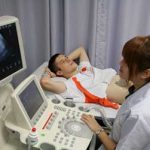 Ultrasound Technician
Ultrasound technicians aid physicians in monitoring and diagnosing patients through the use of ultrasonic imaging technology.
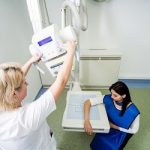 X-Ray Technician
X-Ray Technicians are medical imaging professionals who use technology to visualize the inside of our bodies.
Healthcare Admin & IT
 Healthcare Administrator
Healthcare administrators – also known as healthcare executives or health services managers – are responsible for the planning, direction, and coordination of medical and health services.
 Medical Biller and Coder
Medical billers and coders manage, organize, and code various health information data.
 Medical Transcriptionist
Medical transcriptionists go over voice recordings to convert them into written texts.
 Patient Access Representative
The work involves helping people to orient themselves to the space and everything that is going on.
 Registered Health Information Technician
Registered Health Information Technician (RHIT) help store and verify accuracy of health records as well as analyze patient data.
Animal Care
 Dog Groomer
Dog groomers attend to grooming dogs, usually at dog salons or big pet-related chain stores.
 Veterinary Assistant
Veterinary Assistants work closely with Veterinarians to handle routine animal care.
 Vet Office Manager
Veterinary office managers work to make sure that the daily operations run smoothly and efficiently at veterinary hospitals or veterinary clinics.
 Veterinary Technician
Veterinary Technicians assist veterinarians as well as diagnosing and treating animals, mostly in private clinics.