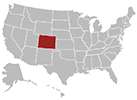
Mental Health Technicians (MHTs) play a critical role in supporting individuals with mental health conditions, emotional challenges, or behavioral disorders.
In Colorado, demand for skilled MHTs is growing as hospitals, residential facilities, and community programs expand their mental health services.
This career is ideal for compassionate individuals interested in helping others while gaining valuable experience in the healthcare field.
MHTs in Colorado contribute directly to patient care, behavioral support, and the overall well-being of the community.
Go to Section:
- What Does a Mental Health Technician Do?
- Education Requirements in Colorado
- Top Schools Offering Mental Health Technician Programs in Colorado
- #1 Red Rocks Community College
- #2 Pikes Peak Community College
- #3 Aims Community College
- #4 Front Range Community College
- #5 Community College of Aurora
- Certification Options in Colorado
- Step-by-Step: How to Become a Mental Health Technician in Colorado
- How Long Does It Take to Become a Mental Health Technician in Colorado?
- Cost to Become a Mental Health Technician in Colorado
- Job Outlook for Mental Health Technicians in Colorado
- Salary for Mental Health Technicians in Colorado
- Frequently Asked Questions
What Does a Mental Health Technician Do?
Mental Health Technicians provide daily care and supervision to individuals experiencing mental health challenges.
Their responsibilities include:
- Monitoring patient behavior and ensuring safety
- Assisting with daily activities, such as meals, hygiene, and exercise
- Documenting patient progress and reporting changes to healthcare professionals
- Supporting treatment plans under the guidance of nurses or therapists
In Colorado, MHTs commonly work in hospitals, psychiatric units, residential treatment centers, outpatient clinics, and community mental health facilities.
While terms like Behavioral Health Technician (BHT) or Psychiatric Technician may be used interchangeably, MHTs typically focus on direct patient support, behavioral monitoring, and crisis intervention rather than advanced medical procedures.
Education Requirements in Colorado
To become a Mental Health Technician in Colorado, the minimum requirement is a high school diploma or GED.
Many professionals also pursue certificates or associate degrees in behavioral health to gain specialized knowledge and improve job prospects.
Relevant coursework often includes:
- Psychology
- Anatomy and physiology
- Patient care and safety
- Crisis intervention techniques
Top Schools Offering Mental Health Technician Programs in Colorado
#1 Red Rocks Community College
About the School
Red Rocks Community College is located in Lakewood, Colorado, and serves students across the Denver metropolitan area.
The school offers a supportive environment with small class sizes, hands-on learning, and connections to local hospitals and mental health facilities for practical experience.
Courses Offered
The Mental Health Technician program includes courses in psychology, anatomy and physiology, patient care, crisis intervention, and behavioral health documentation.
Students also complete a supervised clinical practicum, providing real-world experience in hospitals, residential care centers, or community mental health programs.
Program Cost
Tuition for in-state students is approximately 150 dollars per credit hour.
The program requires around 40 credit hours, making the total tuition about 6000 dollars.
Additional costs for textbooks, uniforms, and clinical placement may total 500 to 800 dollars.
Program length is typically 6 to 12 months for certificate completion.
Contact Information
- Address: 13300 W 6th Ave, Lakewood, CO 80228, United States
- Phone: +1 303-914-6600
- Website: Visit School Website
#2 Pikes Peak Community College

About the School
Pikes Peak Community College is located in Colorado Springs and emphasizes career-focused programs.
The college offers flexible class schedules, including day and evening options, to accommodate working students.
Strong ties to local mental health providers give students access to quality internships.
Courses Offered
The program covers behavioral health fundamentals, patient care techniques, crisis management, ethics, and documentation.
Students complete a clinical practicum in hospitals or outpatient mental health facilities, allowing them to apply classroom knowledge in real-world settings.
Program Cost
In-state tuition is around 140 dollars per credit hour.
The certificate program requires 36 credit hours, totaling roughly 5040 dollars.
Students should budget an additional 400 to 700 dollars for textbooks, clinical uniforms, and supplies.
Program completion usually takes 6 to 9 months.
Contact Information
- Address: 5675 S Academy Blvd, Colorado Springs, CO 80906, United States
- Phone: +1 719-502-2000
- Website: Visit School Website
#3 Aims Community College

About the School
Aims Community College is based in Greeley, Colorado, and serves northern Colorado with a focus on hands-on, career-oriented education.
The college has strong support services, including academic advising, tutoring, and career placement for mental health students.
Courses Offered
Students learn psychology, human development, patient care skills, crisis intervention, and mental health documentation.
The program includes clinical rotations at local hospitals and residential mental health centers, giving students direct patient care experience.
Program Cost
Tuition is approximately 150 dollars per credit hour.
The certificate requires 40 credit hours, resulting in around 6000 dollars.
Additional expenses for books and clinical materials may range from 500 to 800 dollars.
The program is designed to be completed in 6 to 12 months.
Contact Information
- Address: 5401 W 20th St, Greeley, CO 80634, United States
- Phone: +1 970-330-8008
- Website: Visit School Website
#4 Front Range Community College
About the School
Front Range Community College has campuses in Westminster and Fort Collins.
The school offers flexible scheduling with in-person and hybrid classes.
Its behavioral health programs focus on preparing students for immediate employment and professional certifications.
Courses Offered
The curriculum includes mental health fundamentals, anatomy, patient care techniques, crisis response, and clinical documentation.
Students complete a supervised practicum, gaining experience in hospitals, community mental health centers, and residential facilities.
Program Cost
In-state tuition is 145 dollars per credit hour.
Certificate completion requires 36 credit hours, for a total of about 5220 dollars.
Additional costs for textbooks, uniforms, and supplies range from 400 to 700 dollars.
Program length is typically 6 to 12 months, depending on course load.
Contact Information
- Address: Wolf Central (Welcome Center, 3645 W 112th Ave Entrance 1, Westminster, CO 80031, United States
- Phone: +1 303-404-5000
- Website: Visit School Website
#5 Community College of Aurora

About the School
Community College of Aurora is located in Aurora, Colorado, and focuses on career readiness and community engagement.
The school provides small class sizes, supportive instructors, and strong partnerships with local mental health employers.
Courses Offered
Students take courses in behavioral health, patient care, human development, crisis intervention, and documentation.
The program includes clinical placements in hospitals and outpatient mental health centers, offering hands-on experience in real-world settings.
Program Cost
Tuition for in-state students is around 140 dollars per credit hour.
The program requires 36 credit hours, totaling approximately 5040 dollars.
Additional costs for textbooks, uniforms, and clinical fees may be 400 to 700 dollars.
The certificate program typically takes 6 to 12 months to complete.
Contact Information
- Address: 12650 E Arapahoe Rd #100, Centennial, CO 80112, United States
- Phone: +1 303-360-4700
- Website: Visit School Website
Schools Summary Table
| Rank | School | |
|---|---|---|
| | #1 | Red Rocks Community College |
| | #2 | Pikes Peak Community College |
| | #3 | Aims Community College |
| | #4 | Front Range Community College |
| | #5 | Community College of Aurora |
Certification Options in Colorado
While Colorado does not mandate statewide certification for Mental Health Technicians, many employers prefer or require nationally recognized certifications.
These credentials can improve employment opportunities and professional credibility.
| Certification | Provider | Exam Required | Validity |
|---|---|---|---|
| CMHT | National Association of Mental Health Technicians | Yes | 2 years |
| Behavioral Health Technician (BHT) | NHA | Yes | 2 years |
| State MHT License | Colorado Department of Regulatory Agencies | Varies | Varies |
Step-by-Step: How to Become a Mental Health Technician in Colorado
- Meet eligibility requirements – Typically age 18+, pass a background check
- Complete required education/training – High school diploma, certificate, or associate degree
- Gain supervised clinical experience – Internships or practicum hours in behavioral health settings
- Pass certification exams – Optional but recommended for career advancement
- Apply for state licensure/registration – If pursuing the state-specific credential
- Apply for jobs in Colorado – Hospitals, community mental health centers, and residential facilities
How Long Does It Take to Become a Mental Health Technician in Colorado?
- Fast-track option: Certificate programs combined with clinical hours can be completed in approximately 6 months
- Typical path: Certificate or associate degree programs plus supervised experience usually take 1–2 years
Cost to Become a Mental Health Technician in Colorado
The cost of training varies depending on the program:
- Certificate programs: Approximately $3,000–$6,000
- Associate degree programs: Approximately $10,000–$15,000 (in-state tuition at community colleges)
- Certification exams: $200–$400 per attempt
Additional expenses may include uniforms, textbooks, and clinical placement fees
Job Outlook for Mental Health Technicians in Colorado
Employment for Mental Health Technicians in Colorado is projected to grow steadily.
Hospitals, residential care centers, outpatient clinics, and community mental health programs are expanding services to meet rising mental health needs.
Demand is particularly strong in urban centers like Denver, Colorado Springs, and Fort Collins, as well as in rural communities where access to behavioral health professionals is limited.
This role offers long-term career stability and opportunities for advancement into nursing or specialized behavioral health careers.
Salary for Mental Health Technicians in Colorado
Salary varies based on experience, location, certification, and type of facility.
Entry-level MHTs typically start in supportive roles, while experienced technicians with certifications may take on supervisory responsibilities or specialize in behavioral health interventions.
Salary is influenced by geographic region, clinical setting, and additional credentials rather than fixed state mandates.
Frequently Asked Questions
Do you need certification to be a Mental Health Technician in Colorado?
Certification is not required by the state, but is often preferred by employers and can improve job prospects.
How long does it take to become a Mental Health Technician in Colorado?
Certificate path: Approximately 6–12 months
Associate degree path: Around 2 years
On-the-job training: 3–6 months
What is so special about this role in Colorado?
MHTs focus on mental health care, behavioral monitoring, and crisis intervention rather than general medical care, making it a vital part of the state’s mental health system.
Is this a good entry-level healthcare career?
Yes.
MHT roles provide hands-on experience in mental health care and serve as a stepping stone to nursing or behavioral health careers.
Can you become a Mental Health Technician without a college degree?
Yes.
Many positions accept a high school diploma or GED combined with training or certification.