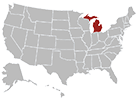
Mental Health Technicians, often called MHTs, play a vital role in supporting individuals who are experiencing mental health challenges, emotional crises, or developmental disorders.
They work directly with patients under the supervision of nurses, psychiatrists, and therapists, helping to ensure safety, stability, and compassionate care.
In Michigan, demand for mental health services continues to grow as awareness increases and healthcare systems expand behavioral health programs.
Major health systems such as University of Michigan Health and Corewell Health employ mental health support staff across psychiatric units and community programs.
Community mental health agencies throughout cities like Detroit, Grand Rapids, and Lansing also rely on trained technicians.
If you are compassionate, emotionally resilient, and interested in helping people through vulnerable moments, becoming a Mental Health Technician in Michigan can be a meaningful and stable healthcare career.
Go to Section:
- What Does a Mental Health Technician Do?
- MHT vs Behavioral Health Technician vs Psychiatric Technician
- Education Requirements in Michigan
- Top Schools Offering Mental Health Technician Programs in Michigan
- #1 Wayne County Community College District
- #2 Lansing Community College
- #3 Macomb Community College
- #4 Grand Rapids Community College
- Certification Options in Michigan
- Popular Mental Health Technician Certifications
- Step by Step: How to Become a Mental Health Technician in Michigan
- How Long Does It Take to Become a Mental Health Technician in Michigan?
- Cost to Become a Mental Health Technician in Michigan
- Job Outlook for Mental Health Technicians in Michigan
- Salary for Mental Health Technicians in Michigan
- Frequently Asked Questions
What Does a Mental Health Technician Do?
Mental Health Technicians provide hands-on support to patients in psychiatric and behavioral health settings.
Daily Responsibilities
MHTs typically:
- Monitor patient behavior and ensure safety
- Assist with daily living activities such as hygiene and meals
- Support group therapy sessions
- Document patient observations and report changes to nurses or clinicians
- Help de-escalate crises using approved behavioral techniques
- Transport patients within facilities
- Maintain a structured and therapeutic environment
- Documentation and careful observation are critical parts of the job, as technicians often notice subtle changes in behavior before anyone else.
Common Work Settings in Michigan
In Michigan, MHTs commonly work in:
- Psychiatric hospitals
- Inpatient behavioral health units
- Residential treatment centers
- Community mental health agencies
- Substance use treatment facilities
- Juvenile justice and rehabilitation programs
- Large hospital systems and regional mental health authorities across the state offer steady employment opportunities.
MHT vs Behavioral Health Technician vs Psychiatric Technician
While titles may overlap:
- Mental Health Technician (MHT) focuses on patient supervision, safety, and therapeutic support.
- Behavioral Health Technician (BHT) often works in similar settings but may specialize in behavior intervention plans.
- A psychiatric technician may require more formal training in some states and sometimes performs more advanced clinical tasks.
In Michigan, these titles are frequently used interchangeably by employers, but job descriptions can vary.
Education Requirements in Michigan
Michigan does not require a specific state license to work as a Mental Health Technician.
However, employers set minimum standards.
Minimum Requirement
- High school diploma or GED
Many entry-level roles provide on-the-job training.
Optional Education
Completing a certificate or associate degree program can significantly improve job prospects.
Programs in behavioral health, human services, or psychiatric technology are common pathways.
Relevant coursework often includes:
- Introduction to psychology
- Abnormal psychology
- Anatomy and physiology
- Crisis intervention
- Patient care fundamentals
- Ethics in healthcare
Top Schools Offering Mental Health Technician Programs in Michigan
#1 Wayne County Community College District

Wayne County Community College District serves students throughout the Detroit metropolitan area, with multiple campuses located in Detroit, Taylor, Downriver, Eastern, and Northwest.
The college is known for affordable tuition, flexible scheduling, and strong workforce-focused programs.
Many students choose WCCCD because it offers small class sizes and accessible instructors who have real-world experience in healthcare and human services.
The school partners with local hospitals, behavioral health agencies, and community organizations across Wayne County.
This creates opportunities for internships and entry-level job placement in mental health, substance use treatment, and social services settings.
For students who plan to continue their education later, WCCCD credits often transfer to four-year universities within Michigan.
Courses Offered
While WCCCD does not always list a program specifically titled Mental Health Technician, students can enroll in programs such as Human Services or Behavioral Health-related associate degrees that prepare them for this career path.
The Associate of Applied Science in Human Services typically requires about 60 to 62 credit hours and takes about 2 years of full-time study to complete.
Coursework may include:
- Introduction to Psychology
- Abnormal Psychology
- Human Growth and Development
- Crisis Intervention
- Counseling Techniques
- Case Management
- Substance Abuse Counseling
- Ethics in Human Services
Many programs include a practicum or field experience component, often 120 to 160 supervised hours in a community agency.
This hands-on training is especially helpful for students planning to work as Mental Health Technicians in hospitals or residential treatment centers.
Program Cost
Tuition for in-district students is generally around 120 to 130 dollars per credit hour.
For a 60-credit associate degree, total tuition may range from approximately 7,200 to 8,000 dollars, not including books and fees.
Out-of-district tuition is higher and can exceed 200 dollars per credit hour.
Additional costs may include textbooks, which can total 800 to 1,200 dollars over the course of the program, background checks for internships, and liability insurance for field placements.
Financial aid, grants, and payment plans are available for eligible students.
Contact Information
- Address: 801 W. Fort Street, Detroit, Michigan 48226
- Phone: +1 313-496-2600
- Website: Visit School Website
#2 Lansing Community College

Lansing Community College is one of the largest community colleges in Michigan and is located in the state capital.
LCC serves thousands of students each year and is known for career-oriented programs in healthcare, public service, and social sciences.
Because of its location in Lansing, students benefit from proximity to state agencies, community mental health organizations, and regional hospitals.
The college offers day, evening, and some online classes, making it convenient for working adults.
Courses Offered
Students preparing for Mental Health Technician roles often enroll in the Human Services associate degree or related certificate programs.
The associate degree usually requires about 60 credit hours and can be completed in approximately 4 semesters of full-time enrollment.
Typical coursework includes:
- Introduction to Human Services
- Developmental Psychology
- Abnormal Psychology
- Crisis Intervention Strategies
- Ethics and Professional Practice
- Family Systems
- Substance Abuse Treatment
- Case Documentation and Reporting
The program typically includes a practicum experience ranging from 120 to 200 hours in a supervised setting.
Students gain experience working with clients facing mental health conditions, substance use disorders, or developmental disabilities.
Program Cost
In district tuition at LCC is generally about 130 to 150 dollars per credit hour.
A 60-credit associate degree may cost between 7,800 and 9,000 dollars in tuition alone.
Out-of-district tuition rates are significantly higher.
Students should also budget for books and supplies, often totaling 1,000 to 1,500 dollars, as well as program-specific costs such as fingerprinting, background checks, and immunizations required for clinical placements.
Financial aid and state grants can reduce out-of-pocket costs for qualified students.
Contact Information
- Address: 600 N Grand Ave, Lansing, MI 48933, United States
- Phone: +1 517-483-1957
- Website: Visit School Website
#3 Macomb Community College

Macomb Community College is located in Macomb County and serves students in the northern Detroit suburbs.
It has a strong focus on workforce development and practical career preparation.
The college operates multiple campuses and offers modern facilities, advising services, and career placement support.
Macomb works closely with local hospitals, community mental health organizations, and nonprofit agencies.
This connection to employers is helpful for students seeking entry-level roles in behavioral health or psychiatric care.
Courses Offered
Students interested in becoming Mental Health Technicians often pursue an Associate of Applied Science in Human Services or a related program.
The degree typically requires about 60 to 64 credit hours and takes 2 years of full-time study.
Courses may include:
- Introduction to Psychology
- Abnormal Psychology
- Counseling Methods
- Human Behavior and Social Environment
- Crisis Prevention and Intervention
- Ethics in Human Services
- Substance Abuse Counseling
- Community Mental Health Practices
The program usually includes a field internship or practicum of around 150 to 200 hours in a human services agency.
Students learn documentation skills, client observation techniques, and professional communication practices that are essential for Mental Health Technician roles.
Program Cost
In district tuition at Macomb Community College is typically around 120 to 140 dollars per credit hour.
For a 60-credit degree, tuition may range from approximately 7,200 to 8,400 dollars.
Out-of-district tuition rates can exceed 200 dollars per credit hour.
Additional costs may include textbooks, often totaling 1,000 dollars or more, student service fees, background checks, and clinical requirements such as TB testing and immunizations.
Financial aid programs and payment plans are available to help manage expenses.
Contact Information
- Address: 14500 12 Mile Rd, Warren, MI 48088, United States
- Phone: +1 586-445-7999
- Website: Visit School Website
#4 Grand Rapids Community College
Grand Rapids Community College serves students in western Michigan and has a strong reputation for healthcare and human services education.
The campus is located in downtown Grand Rapids and offers modern classroom facilities, simulation labs, and student support services, including tutoring and career counseling.
GRCC has strong ties with local healthcare systems and community mental health agencies in Kent County.
This makes it a practical choice for students who want hands-on experience and job placement support after graduation.
Courses Offered
Students interested in becoming Mental Health Technicians often enroll in the Human Services associate degree program.
This program generally requires about 60 to 61 credit hours and can be completed in 2 years of full-time study.
Common courses include:
- General Psychology
- Abnormal Psychology
- Interviewing and Counseling Skills
- Group Dynamics
- Cultural Competence in Human Services
- Substance Use Disorders
- Community Resources and Referral
- Case Management Practices
The program includes a field practicum, often around 180 to 240 hours, where students work in supervised community settings such as residential treatment facilities or behavioral health clinics.
This real-world training builds confidence and strengthens resumes before graduation.
Program Cost
In district tuition at GRCC is typically around 120 to 140 dollars per credit hour.
For a 60-credit program, tuition may total between 7,200 and 8,400 dollars.
Out-of-district and out-of-state tuition rates are higher.
Students should also plan for additional expenses such as textbooks, which may cost 1,000 dollars or more over two years, technology fees, background checks for practicum placements, and transportation to field sites.
Financial aid, scholarships, and Michigan workforce grants may be available.
Contact Information
- Address: 143 Bostwick Ave NE, Grand Rapids, MI 49503, United States
- Phone: +1 616-234-4000
- Website: Visit School Website
Schools Summary Table
| Rank | School | |
|---|---|---|
| | #1 | Wayne County Community College District |
| | #2 | Lansing Community College |
| | #3 | Macomb Community College |
| | #4 | Grand Rapids Community College |
Certification Options in Michigan
Michigan does not mandate state certification specifically for Mental Health Technicians.
However, national certifications can strengthen your resume.
Nationally Recognized Certifications
- Certified Mental Health Technician (CMHT) through the National Association of Mental Health Technicians
- Behavioral Health Technician (BHT) through the National Healthcareer Association
Certification usually requires passing an exam and meeting education or experience criteria.
Exam and Renewal Requirements
Most certifications:
- Require a proctored exam
- Must be renewed every two years
- Require continuing education credits for renewal
Popular Mental Health Technician Certifications
| Certification | Provider | Exam Required | Validity |
|---|---|---|---|
| CMHT | National Association of Mental Health Technicians | Yes | 2 years |
| Behavioral Health Technician (BHT) | National Healthcareer Association | Yes | 2 years |
| State MHT License | Michigan does not require one | Not applicable | Not applicable |
Step by Step: How to Become a Mental Health Technician in Michigan
1. Meet Eligibility Requirements
- Be at least 18 years old
- Hold a high school diploma or GED
- Pass a criminal background check
2. Complete Education or Training
Enroll in a certificate or associate degree program in behavioral health or a related field if you want stronger job prospects.
3. Gain Supervised Experience
Many employers provide structured on-the-job training.
Some programs include clinical rotations.
4. Pass Certification Exams (Optional)
Consider earning CMHT or BHT credentials to stand out.
5. Apply for State Licensure or Registration
Michigan does not require a specific MHT license, but you must comply with employer and facility regulations.
6. Apply for Jobs in Michigan
Search hospital systems, community mental health agencies, and private treatment centers throughout the state.
How Long Does It Take to Become a Mental Health Technician in Michigan?
Fast Track Path
You can begin working in as little as six months if you complete a short certificate program and meet hiring requirements.
Typical Path
An associate degree combined with hands-on experience typically takes one to two years.
Your timeline depends on whether you pursue formal education or enter the workforce with a high school diploma and employer training.
Cost to Become a Mental Health Technician in Michigan
Costs vary based on your education path:
- Community college certificate programs often range from several thousand dollars, including tuition and fees.
- Associate degree programs at Michigan community colleges may range from approximately ten thousand to twenty thousand dollars total, depending on residency status and program length.
- Certification exams generally cost a few hundred dollars.
- Additional expenses may include textbooks, background checks, CPR training, and clinical uniforms.
- Financial aid, scholarships, and employer tuition reimbursement programs can help reduce overall costs.
Job Outlook for Mental Health Technicians in Michigan
Michigan continues to expand behavioral health services across hospitals, residential facilities, and outpatient programs.
Demand is especially strong in:
- Urban centers like Detroit and Grand Rapids
- Community mental health agencies statewide
- Substance use recovery programs
- Adolescent treatment facilities
As awareness of mental health needs increases, long-term career stability in this field remains strong.
Technicians with certification and experience often advance into supervisory roles or pursue further education in nursing, social work, or counseling.
Salary for Mental Health Technicians in Michigan
Entry-level Mental Health Technicians typically earn less than experienced technicians with certifications or several years of service.
Factors that influence pay include:
- Geographic location within Michigan
- Type of facility, such as a hospital versus a residential center
- Level of education and certification
- Shift differentials for nights or weekends
- Union representation in certain hospital systems
Technicians working in larger metropolitan areas or specialized psychiatric units often earn higher wages than those in smaller facilities.
Average Salary of Mental Health Technicians in Michigan
Annual Salary Range:| Item | Percent |
|---|---|
$36K | |
$39K | |
$48K |
Michigan Salary by Metro Area
| Metro Area | Employed | Avg. Annual | Avg. Hourly | Top 10% | Bottom 10% |
|---|---|---|---|---|---|
| Ann Arbor, MI | 350 | $61,960 | $29.79 | $70,010 | $38,230 |
| Bay City, MI | 140 | $41,010 | $19.72 | $47,600 | $35,710 |
| Detroit-Warren-Dearborn, MI | 1,930 | $41,270 | $19.84 | $47,550 | $36,800 |
| Flint, MI | 110 | $41,790 | $20.09 | $46,790 | $35,680 |
| Grand Rapids-Wyoming-Kentwood, MI | 1,010 | $38,330 | $18.43 | $44,820 | $32,780 |
| Jackson, MI | 60 | $38,130 | $18.33 | $45,620 | $36,760 |
| Lansing-East Lansing, MI | 380 | $46,150 | $22.19 | $48,230 | $38,240 |
| Traverse City, MI | 50 | $39,710 | $19.09 | $46,670 | $36,240 |
* Employment conditions may vary by location.
Frequently Asked Questions
Do I need a license to work as a Mental Health Technician in Michigan?
No.
Michigan does not require a specific state license for MHTs, but employers require background checks and training.
Can I become a Mental Health Technician with no experience?
Yes.
Many facilities hire entry-level candidates with a high school diploma and provide on-the-job training, though additional education improves job opportunities.
What qualities make a successful Mental Health Technician?
Strong communication skills, emotional resilience, patience, and the ability to remain calm during crises are essential.
Can this career lead to other healthcare roles?
Absolutely.
Many MHTs go on to become nurses, social workers, case managers, or licensed therapists after gaining experience and further education.
Is certification worth it in Michigan?
While not required, national certification can make you more competitive and may lead to higher pay or promotion opportunities.