Mental Health Technicians, often called MHTs, play a vital role in supporting individuals who are experiencing mental health challenges.
They work closely with nurses, psychiatrists, social workers, and therapists to provide direct care, monitor patient safety, and help individuals move toward stability and recovery.
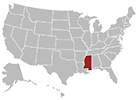
In Mississippi, the demand for behavioral and mental health services continues to grow.
Communities across the state, from urban areas like Jackson and Gulfport to more rural counties, rely on trained professionals to support hospitals, crisis centers, and residential treatment facilities.
As awareness of mental health needs expands, so does the need for compassionate and skilled technicians.
If you are patient, empathetic, and interested in healthcare without spending many years in school, becoming a Mental Health Technician in Mississippi can be a rewarding and impactful career path.
Go to Section:
- What Does a Mental Health Technician Do?
- MHT vs Behavioral Health Technician vs Psychiatric Technician
- Education Requirements in Mississippi
- Top Schools Offering Related Programs in Mississippi
- #1 Hinds Community College
- #2 Mississippi Gulf Coast Community College
- #3 East Mississippi Community College
- #4 Jones College
- Certification Options in Mississippi
- Step by Step: How to Become a Mental Health Technician in Mississippi
- How Long Does It Take to Become a Mental Health Technician in Mississippi?
- Cost to Become a Mental Health Technician in Mississippi
- Job Outlook for Mental Health Technicians in Mississippi
- Salary for Mental Health Technicians in Mississippi
- Frequently Asked Questions
What Does a Mental Health Technician Do?
Mental Health Technicians provide hands-on support to patients receiving psychiatric or behavioral health services.
They work under the supervision of licensed healthcare professionals and are essential members of the treatment team.
Daily Responsibilities
Common responsibilities include:
- Assisting patients with daily living activities such as hygiene and meals
- Monitoring patient behavior and emotional status
- Observing and documenting changes in mood or condition
- Maintaining a safe and structured environment
- Assisting with therapeutic group activities
- Helping de escalate crises when necessary
- Recording notes in patient charts and reporting to nurses or physicians
MHTs are often the professionals who spend the most direct time with patients, making strong communication skills especially important.
Common Work Settings in Mississippi
Mental Health Technicians in Mississippi work in a variety of settings, including:
- Inpatient psychiatric units in general hospitals
- State-operated mental health facilities, such as those overseen by the Mississippi Department of Mental Health
- Residential treatment centers
- Substance abuse rehabilitation facilities
- Community mental health centers
- Crisis stabilization units
The work environment can vary depending on the setting, but safety, structure, and teamwork are always priorities.
MHT vs Behavioral Health Technician vs Psychiatric Technician
Although the titles are sometimes used interchangeably, there can be differences:
- A Mental Health Technician focuses broadly on psychiatric patient support.
- A Behavioral Health Technician may work more closely with individuals experiencing substance use disorders or developmental disabilities.
- Psychiatric Technician is a more formal title in some states and may require specific licensure.
In Mississippi, employers may use these titles differently, so it is important to review job descriptions carefully.
Education Requirements in Mississippi
Minimum Education
At a minimum, most employers in Mississippi require a high school diploma or GED.
Some facilities provide on-the-job training for entry-level candidates.
Optional Education
Although not always required, completing a certificate or associate degree program in behavioral health, psychology, or a related healthcare field can improve your job prospects and competitiveness.
Relevant coursework often includes:
- Introduction to psychology
- Human growth and development
- Abnormal psychology
- Anatomy and physiology
- Patient care techniques
- Crisis intervention
#1 Hinds Community College
Hinds Community College is one of the largest community colleges in Mississippi, serving more than 30,000 students annually across multiple campuses, including Raymond, Jackson, Utica, and Rankin.
Founded in 1917, the college offers a wide range of academic transfer and career and technical programs.
Class sizes are typically small, allowing students to receive personalized support from instructors.
Student services include tutoring centers, counseling services, career advising, and financial aid assistance.
For students interested in mental health or behavioral health careers, Hinds provides strong foundational programs in psychology and healthcare that can prepare students for entry-level roles such as Mental Health Technician.
Courses Offered
Students preparing for work in mental health settings often pursue an Associate of Arts degree with an emphasis in psychology or a healthcare-related pathway.
The associate degree typically requires around 60 to 64 credit hours and can be completed in about 2 years of full-time study.
Relevant courses may include:
- Introduction to Psychology, 3 credit hours
- Human Growth and Development, 3 credit hours
- Abnormal Psychology, 3 credit hours
- General Biology with Lab, 4 credit hours
- Anatomy and Physiology I and II, 8 total credit hours
- Sociology, 3 credit hours
Students may also complete healthcare-related career and technical programs that range from 30 to 45 credit hours.
Some programs can be completed in 1 to 3 semesters.
Program Cost
For in-state students, tuition is typically about 175 dollars per credit hour.
A 60-credit-hour associate degree may cost approximately 10,500 dollars in tuition alone.
Additional costs may include:
- Books and supplies, 1,000 to 1,500 dollars per year
- Technology and lab fees, which vary by course
- Background checks and immunizations if participating in clinical training
Financial aid, scholarships, and payment plans are available for qualifying students.
Contact Information
- Address: 501 E Main St, Raymond, MS 39154, United States
- Phone: +1 601-857-5261
- Website: Visit School Website
#2 Mississippi Gulf Coast Community College

Mississippi Gulf Coast Community College serves students across the Gulf Coast region with campuses in Perkinston, Gulfport, and Gautier.
Established in 1912, the college enrolls more than 10,000 students annually.
It is known for strong healthcare and workforce development programs.
The college provides academic advising, career services, counseling, and student support programs.
Its healthcare-related programs are designed to prepare students for immediate employment or further education in allied health and behavioral health fields.
Courses Offered
Students interested in becoming Mental Health Technicians may pursue an Associate of Arts degree with a psychology focus or enroll in healthcare career programs.
The associate degree typically requires about 60 to 63 credit hours and takes 4 semesters to complete.
Common courses include:
- General Psychology, 3 credit hours
- Developmental Psychology, 3 credit hours
- Abnormal Psychology, 3 credit hours
- Anatomy and Physiology I and II with labs, 8 credit hours
- English Composition I and II, 6 credit hours
- Public Speaking, 3 credit hours
Some career and technical certificates range from 30 to 45 credit hours and can often be completed in 9 to 12 months of full-time study.
Program Cost
In-state tuition is generally around 175 to 180 dollars per credit hour.
A 60-credit-hour associate program may total approximately 10,500 to 10,800 dollars in tuition.
Additional expenses may include:
- Books and course materials, 1,200 to 1,800 dollars per year
- Student service fees and technology fees
- Uniforms and clinical requirements if enrolled in a healthcare pathway
Financial assistance options include federal grants, state aid, and institutional scholarships.
Contact Information
- Address: 2226 Switzer Rd, Gulfport, MS 39507, United States
- Phone: +1 228-896-2536
- Website: Visit School Website
#3 East Mississippi Community College

East Mississippi Community College serves students at campuses in Scooba, Mayhew, Golden Triangle, and Lion Hills.
The college enrolls more than 4,000 students and offers a mix of academic transfer and workforce training programs.
EMCC is known for hands-on career training and close connections with regional employers.
Students have access to advising, tutoring, disability support services, and career placement assistance.
Courses Offered
Students preparing for a Mental Health Technician role often complete an Associate of Arts degree, which requires about 60 to 62 credit hours and typically takes 2 years of full-time study.
Relevant courses may include:
- Introduction to Psychology, 3 credit hours
- Abnormal Psychology, 3 credit hours
- Human Growth and Development, 3 credit hours
- Anatomy and Physiology I, 4 credit hours
- Anatomy and Physiology II, 4 credit hours
- Sociology, 3 credit hours
Career and technical education certificates in related healthcare areas may require 30 to 45 credit hours and can sometimes be completed in 1 year or less.
Program Cost
In-state tuition is approximately 165 to 175 dollars per credit hour.
For a 60-credit-hour associate degree, tuition may total around 9,900 to 10,500 dollars.
Other costs to consider:
- Books and supplies, often 1,000 to 1,500 dollars annually
- Course-specific lab fees
- Background screening and immunization documentation, if required, for clinical placements
- Students may qualify for financial aid, scholarships, or workforce grants.
Contact Information
- Address: 1512 Kemper St, Scooba, MS 39358, United States
- Phone: +1 662-476-5000
- Website: Visit School Website
#4 Jones College
Jones College, located in Ellisville, enrolls more than 4,000 students each year.
Founded in 1911, the college offers associate degrees, technical certificates, and workforce training programs.
The campus provides academic advising, counseling services, student organizations, and career development resources.
Jones College emphasizes career readiness and transfer preparation, making it a strong option for students considering entry-level mental health roles or future advanced degrees.
Courses Offered
Students interested in behavioral health careers often pursue the Associate of Arts degree, which requires about 60 to 64 credit hours and can be completed in 4 semesters of full-time enrollment.
Typical coursework includes:
- General Psychology, 3 credit hours
- Abnormal Psychology, 3 credit hours
- Human Growth and Development, 3 credit hours
- Biology or Anatomy and Physiology with lab, 4 credit hours
- English Composition I and II, 6 credit hours
- Social Science electives, 6 credit hours
Technical certificates in related healthcare areas may range from 30 to 45 credit hours and take about 9 to 12 months to complete.
Program Cost
In-state tuition is generally about 170 to 180 dollars per credit hour.
A 60-credit-hour associate degree may cost approximately 10,200 to 10,800 dollars in tuition.
Additional expenses can include:
- Books and materials, 1,000 to 1,600 dollars per year
- Technology and student service fees
- Clinical compliance costs, if applicable
Financial aid programs, including federal Pell Grants and state assistance, are available to eligible students.
Contact Information
- Address: 900 S Court St, Ellisville, MS 39437, United States
- Phone: +1 601-477-4000
- Website: Visit School Website
Schools Summary Table
| Rank | School | |
|---|---|---|
| | #1 | Hinds Community College |
| | #2 | Mississippi Gulf Coast Community College |
| | #3 | East Mississippi Community College |
| | #4 | Jones College |
Certification Options in Mississippi
Mississippi does not currently require a specific state license to work as a Mental Health Technician in most settings.
However, national certifications can strengthen your resume and may be preferred by certain employers.
Nationally Recognized Certifications
- Certified Mental Health Technician, offered by the National Association of Mental Health Technicians
- Behavioral Health Technician certification through the National Healthcareer Association
State Specific Requirements
Mississippi does not have a universal MHT license requirement.
However, certain facilities may require background checks, CPR certification, or employer-specific training.
Exam and Renewal Requirements
Most national certifications require:
- Passing a standardized exam
- Meeting minimum education or experience criteria
- Renewal every two years
- Completion of continuing education credits
Step by Step: How to Become a Mental Health Technician in Mississippi
- Meet eligibility requirements
Be at least eighteen years old, hold a high school diploma or GED, and pass a background check. - Complete the required education or training
Enroll in a certificate or associate degree program if desired, or apply to entry-level roles that offer on-the-job training. - Gain supervised clinical experience
Many programs include hands-on training. Employers may also provide supervised orientation periods. - Pass certification exams if pursuing national credentials
Prepare for and pass the required exam for certifications such as CMHT or BHT. - Apply for state registration if required by your employer
Some facilities affiliated with the Mississippi Department of Mental Health may have internal requirements. - Apply for jobs in Mississippi
Look for openings at hospitals, residential facilities, and community mental health centers across the state.
How Long Does It Take to Become a Mental Health Technician in Mississippi?
- Fast track path
Some individuals complete a certificate program and the required clinical hours in about six months, especially if enrolled full-time. - Typical path
Many candidates complete an associate degree or longer certificate program combined with hands-on experience in one to two years.
Your timeline depends on your educational choice and whether you pursue certification.
Cost to Become a Mental Health Technician in Mississippi
Costs vary based on the type of program:
- Short certificate programs at community colleges may range from about one thousand to four thousand dollars in total tuition, depending on credit hours and residency status.
- Associate degree programs at public community colleges may range from roughly three thousand to eight thousand dollars per year for in-state students.
- Books, uniforms, background checks, immunizations, and exam fees may add several hundred to over one thousand dollars.
- Certification exams through national organizations often require an application fee and testing fee, typically a few hundred dollars.
- Financial aid, scholarships, and workforce grants may be available to eligible students.
Job Outlook for Mental Health Technicians in Mississippi
The job outlook for Mental Health Technicians in Mississippi is positive.
Growth in mental health awareness, substance use treatment programs, and crisis services has increased the need for trained support staff.
Hospitals, residential treatment centers, and community mental health agencies continue to expand services.
Rural areas in particular may see ongoing demand due to provider shortages.
Long-term career stability is supported by the essential nature of mental health services.
As long as communities need behavioral healthcare, trained technicians will remain an important part of the system.
Salary for Mental Health Technicians in Mississippi
Entry-level Mental Health Technicians typically earn lower wages while gaining experience and building skills.
With time, certifications, and specialized training, experienced technicians can earn higher pay.
Factors that influence salary include:
- Geographic location within Mississippi
- Type of employer, such as a hospital or residential facility
- Level of education
- National certifications
- Shift differentials for evenings or overnight work
Advancing into supervisory roles or pursuing further education in nursing, social work, or counseling can also increase earning potential.
Average Salary of Mental Health Technicians in Mississippi
Annual Salary Range:| Item | Percent |
|---|---|
$25K | |
$29K | |
$48K |
Mississippi Salary by Metro Area
| Metro Area | Employed | Avg. Annual | Avg. Hourly | Top 10% | Bottom 10% |
|---|---|---|---|---|---|
| Gulfport-Biloxi, MS | 50 | $31,460 | $15.13 | $34,950 | $27,060 |
| Jackson, MS | 230 | $34,750 | $16.71 | $50,310 | $21,100 |
* Employment conditions may vary by location.
Frequently Asked Questions
Do I need a college degree to work as a Mental Health Technician in Mississippi?
Not always.
Many employers accept a high school diploma or GED.
However, completing a certificate or associate degree can improve your chances of being hired and may help you advance more quickly.
Is certification required in Mississippi?
Mississippi does not mandate a statewide Mental Health Technician license in most settings.
However, some employers prefer or require national certifications such as CMHT or BHT.
Are there opportunities for advancement?
Absolutely.
Many Mental Health Technicians continue their education and move into roles such as licensed practical nurse, registered nurse, social worker, or counselor.
The experience gained as an MHT provides a strong foundation for these paths.
What personal qualities make someone a good Mental Health Technician?
Successful MHTs are patient, calm under pressure, empathetic, observant, and able to communicate clearly.
Emotional resilience and a genuine desire to help others are especially important in this field.
Can I become a Mental Health Technician with no healthcare experience?
Yes.
Many facilities provide on-the-job training for entry-level candidates.
Having volunteer experience or coursework in psychology can make you a stronger applicant.