Mental Health Technicians, often called MHTs, play a hands-on role in supporting individuals facing mental health challenges, substance use disorders, and behavioral conditions.
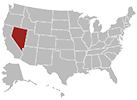
In Nevada, where urban centers like Las Vegas and Reno continue to grow, and rural communities face provider shortages, trained behavioral health support staff are more important than ever.
With expanding hospital systems, residential treatment programs, and community mental health initiatives across the state, Nevada offers meaningful opportunities for those who want to work directly with patients and make a measurable impact.
If you are compassionate, calm under pressure, and interested in healthcare without committing to many years of schooling, becoming a Mental Health Technician in Nevada could be a practical and rewarding path.
This guide walks you through education, certification, costs, job outlook, and step-by-step instructions tailored specifically to Nevada.
Go to Section:
- What Does a Mental Health Technician Do?
- MHT vs Behavioral Health Technician vs Psychiatric Technician
- Education Requirements in Nevada
- Top Schools Offering Mental Health Technician Programs in Nevada
- #1 College of Southern Nevada
- #2 Truckee Meadows Community College
- #3 Great Basin College
- #4 University of Nevada, Las Vegas
- #5 University of Nevada, Reno
- Certification Options in Nevada
- Popular Mental Health Technician Certifications
- Step by Step: How to Become a Mental Health Technician in Nevada
- How Long Does It Take to Become a Mental Health Technician in Nevada?
- Cost to Become a Mental Health Technician in Nevada
- Job Outlook for Mental Health Technicians in Nevada
- Salary for Mental Health Technicians in Nevada
- Frequently Asked Questions
What Does a Mental Health Technician Do?
Mental Health Technicians work under the supervision of nurses, psychiatrists, psychologists, and licensed therapists.
Their role blends patient care, observation, and documentation.
Daily Responsibilities
In Nevada facilities, MHT duties often include:
- Monitoring patient behavior and documenting changes
- Assisting with daily living activities such as hygiene and meals
- Supporting patients during therapy sessions or group activities
- Implementing behavior management plans
- Conducting safety checks and maintaining a secure environment
- Reporting concerns to licensed staff
- Transporting patients within facilities
MHTs are often the staff members who spend the most time with patients.
That consistent interaction makes them essential to treatment progress and crisis prevention.
Common Work Settings in Nevada
- Mental Health Technicians in Nevada commonly work in:
- Psychiatric hospitals in Las Vegas and Reno
- State-run behavioral health facilities
- Residential treatment centers
- Substance abuse rehabilitation programs
- Community mental health clinics
- Correctional facilities
- Youth behavioral health centers
Because Nevada has both densely populated cities and rural communities, job settings vary widely across the state.
MHT vs Behavioral Health Technician vs Psychiatric Technician
The job titles can overlap, but there are distinctions:
- Mental Health Technician: General support role focused on monitoring and assisting patients in mental health settings.
- Behavioral Health Technician: Often works with patients who have behavioral disorders or developmental disabilities. May focus more on structured behavior plans.
- Psychiatric Technician: In some states, this is a licensed role requiring formal vocational training. Nevada does not license Psychiatric Technicians separately in the same way as some states, but employers may prefer candidates with specialized training.
Education Requirements in Nevada
Nevada does not require a specific state license to work as a Mental Health Technician.
However, employers set minimum education and training standards.
Minimum Education
Most entry-level MHT positions in Nevada require:
- High school diploma or GED
- Background check
- CPR and First Aid certification
Some employers provide on-the-job training.
Optional Certificate or Associate Degree Programs
While not mandatory statewide, completing formal education improves hiring potential and advancement opportunities.
Common program options include:
- Certificate in Behavioral Health or Psychiatric Assisting
- Associate of Applied Science in Human Services
- Associate Degree in Behavioral Health Technology
- Associate Degree in Psychology
These programs typically include between 24 and 60 credit hours and may require supervised clinical practice.
Relevant Coursework
Nevada programs often include courses such as:
- Introduction to Psychology
- Abnormal Psychology
- Human Development
- Crisis Intervention
- Substance Abuse Counseling
- Anatomy and Physiology
- Ethics in Behavioral Health
- Documentation and Case Management
Clinical practicum hours may range from 100 to 300 hours, depending on the program.
Top Schools Offering Mental Health Technician Programs in Nevada
#1 College of Southern Nevada

College of Southern Nevada, often called CSN, is the largest public community college in Nevada.
It serves more than 30,000 students annually across three main campuses in Las Vegas, North Las Vegas, and Henderson.
CSN is known for affordable tuition, flexible class schedules, and strong workforce focused programs.
Many students choose CSN because it offers evening, weekend, and online course options, making it easier to balance school with work or family responsibilities.
For students pursuing careers in behavioral health or human services, CSN provides practical training aligned with local healthcare employers in Clark County.
Courses Offered
CSN offers programs such as an Associate of Applied Science in Human Services and related behavioral health certificates.
The associate degree typically requires about 60 credit hours and can be completed in 4 semesters of full time study.
Coursework includes Introduction to Human Services, Abnormal Psychology, Substance Abuse Counseling, Case Management, Crisis Intervention, Ethics in Human Services, and Group Dynamics.
Some courses require fieldwork or supervised practicum experience, often ranging from 120 to 240 hours in community agencies.
Students also complete general education requirements such as English Composition and College Algebra, usually totaling 15 to 18 credit hours.
Program Cost
For Nevada residents, tuition is approximately 123 dollars per credit.
A 60 credit associate degree totals roughly 7,380 dollars in tuition alone.
Student fees may add 20 to 30 dollars per credit, bringing total tuition and fees closer to 8,500 to 9,000 dollars.
Books and supplies can cost 1,000 to 1,500 dollars over two years.
Out of state tuition is significantly higher, often exceeding 200 dollars per credit.
Financial aid and workforce grants are available for eligible students.
Contact Information
- Address: 6375 W Charleston Blvd, Las Vegas, NV 89146, United States
- Phone: +1 702-651-5000
- Website: Visit School Website
#2 Truckee Meadows Community College
Truckee Meadows Community College, located in Reno, serves more than 20,000 students annually in Washoe County.
TMCC is known for career-focused programs and strong ties to regional healthcare systems in northern Nevada.
The college offers small class sizes, academic advising, and support services designed to help students succeed in workforce-oriented programs.
Courses Offered
TMCC offers an Associate of Applied Science in Human Services and related behavioral health pathways.
The associate degree requires approximately 60 to 62 credit hours and typically takes 2 years of full-time study.
Core courses include Introduction to Human Services, Counseling Theories, Cultural Competency, Case Management Practices, Addictions Treatment, and Crisis Intervention Techniques.
Students complete a practicum experience that may involve 150 to 300 supervised hours in a behavioral health setting.
General education coursework includes English, mathematics, and social science electives totaling about 18 to 24 credits.
Program Cost
In-state tuition at TMCC is about 123 dollars per credit.
For a 60-credit degree, tuition totals approximately 7,380 dollars.
Mandatory fees can add 1,200 to 1,800 dollars over the course of the program.
Books and materials may cost 1,200 dollars across two academic years.
Students should also budget 100 to 200 dollars for background checks, immunizations, and practicum-related expenses.
Contact Information
- Address: 7000 Dandini Blvd, Reno, NV 89512, United States
- Phone: +1 775-673-7111
- Website: Visit School Website
#3 Great Basin College

Great Basin College serves rural Nevada communities with campuses in Elko, Pahrump, Winnemucca, and Ely, along with strong online offerings.
GBC enrolls approximately 4,000 students and focuses on serving smaller communities where behavioral health professionals are in high demand.
The college emphasizes flexible scheduling and distance education, which is ideal for students living outside major metropolitan areas.
Courses Offered
Great Basin College offers an Associate of Applied Science in Human Services and related certificates in social services.
The associate degree requires around 60 credit hours and typically takes 2 years to complete full-time.
Courses include Foundations of Human Services, Social Work Practices, Abnormal Psychology, Ethics in Helping Professions, Substance Abuse Counseling, and Community Resource Coordination.
A supervised internship of approximately 180 to 240 hours is required, giving students hands-on experience in clinics, nonprofit agencies, or community programs.
General education requirements account for about 20 credits of the total program.
Program Cost
Tuition for Nevada residents is approximately 123 dollars per credit.
A 60-credit program totals around 7,380 dollars in tuition.
Fees may add 1,000 to 1,500 dollars over two years.
Because GBC serves rural areas, some online course fees may apply, often around 50 dollars per course.
Books and materials typically cost 1,000 to 1,400 dollars for the full program.
Contact Information
- Address: 1500 College Pkwy, Elko, NV 89801, United States
- Phone: +1 775-327-5002
- Website: Visit School Website
#4 University of Nevada, Las Vegas

The University of Nevada, Las Vegas, commonly known as UNLV, is a large public research university with more than 30,000 students.
Located in Las Vegas, UNLV offers comprehensive academic programs, including psychology and human services pathways that can prepare students for advanced behavioral health roles.
While UNLV does not offer a specific Mental Health Technician certificate, its degree programs provide a strong foundational education for those entering the field or planning long-term career growth.
Courses Offered
Students interested in becoming Mental Health Technicians often pursue a Bachelor of Arts in Psychology, which requires approximately 120 credit hours and typically takes 4 years of full-time study.
Lower division coursework includes General Psychology, Statistics, and Research Methods.
Upper division courses include Abnormal Psychology, Clinical Psychology, Behavioral Neuroscience, and Developmental Psychology.
Internship or practicum experiences may range from 120 to 300 hours, depending on elective choices.
Students also complete general education courses totaling roughly 36 credits.
Program Cost
In-state undergraduate tuition at UNLV is approximately 8,700 dollars per academic year for 12 to 15 credits per semester.
Over four years, tuition totals around 34,800 dollars.
Mandatory fees may add 1,000 to 1,500 dollars per year.
Books and supplies can cost 1,200 to 1,800 dollars annually.
The total estimated cost for four years of in-state attendance, excluding housing, can exceed 45,000 dollars.
Contact Information
- Address: 4505 S Maryland Pkwy, Las Vegas, NV 89154, United States
- Phone: +1 702-774-8658
- Website: Visit School Website
#5 University of Nevada, Reno

The University of Nevada, Reno, often referred to as UNR, enrolls more than 20,000 students and serves as a major research institution in northern Nevada.
UNR offers degree programs in psychology and human development that prepare students for entry-level behavioral health roles as well as graduate study.
The university maintains partnerships with hospitals, clinics, and community agencies in Washoe County.
Courses Offered
Students typically pursue a Bachelor of Arts or Bachelor of Science in Psychology, requiring about 120 credit hours over 4 years.
Coursework includes General Psychology, Abnormal Psychology, Statistics for Behavioral Sciences, Cognitive Psychology, Personality Theory, and Research Design.
Students may participate in research labs or complete internships ranging from 100 to 300 hours, depending on elective pathways.
General education requirements make up about 30 to 40 credits of the total degree plan.
Program Cost
In-state tuition at UNR is approximately 8,900 dollars per academic year for full-time undergraduate enrollment.
Over four years, tuition totals roughly 35,600 dollars.
Mandatory fees may add 1,200 to 1,600 dollars per year.
Books and academic materials often cost between 1,000 and 1,500 dollars annually.
Total estimated in-state tuition and fees over four years can exceed 40,000 dollars, not including housing or meal plans.
Contact Information
- Address: 1664 N Virginia St, Reno, NV 89557, United States
- Phone: +1 775-784-1110
- Website: Visit School Website
Schools Summary Table
| Rank | School | |
|---|---|---|
| | #1 | College of Southern Nevada |
| | #2 | Truckee Meadows Community College |
| | #3 | Great Basin College |
| | #4 | University of Nevada, Las Vegas |
| | #5 | University of Nevada, Reno |
Certification Options in Nevada
Nevada does not require state certification specifically for Mental Health Technicians.
However, earning national credentials can increase job competitiveness.
Nationally Recognized Certifications
Common certifications include:
- Certified Mental Health Technician
- Behavioral Health Technician Certification
- Certified Psychiatric Technician Assistant
These certifications are offered through national professional organizations and credentialing bodies.
State Specific Requirements
Nevada does not mandate MHT licensure at the state level.
However:
- Employers may require CPR certification
- Background checks are mandatory
- Some facilities require additional internal competency exams
- Always confirm requirements with the Nevada facility where you plan to apply.
Exam and Renewal Requirements
National certifications typically require:
- Completion of an approved training program
- Passing a competency exam
- Renewal every 1 to 2 years
- Continuing education credits for renewal
Popular Mental Health Technician Certifications
| Certification Name | Issuing Organization | Education Requirement | Exam Required | Renewal Cycle |
|---|---|---|---|---|
| Certified Mental Health Technician | National credentialing bodies | High school or postsecondary training | Yes | Every 2 years |
| Behavioral Health Technician Certification | Professional behavioral health organizations | Training program completion | Yes | Every 1 to 2 years |
| Certified Psychiatric Technician Assistant | National healthcare certification agencies | Certificate program | Yes | Every 2 years |
Step by Step: How to Become a Mental Health Technician in Nevada
1. Meet Eligibility Requirements
- Be at least 18 years old
- Hold a high school diploma or GED
- Pass a criminal background check
- Obtain CPR and First Aid certification
2. Complete Required Education or Training
Enroll in a certificate or associate degree program in behavioral health, human services, or psychology.
While some employers hire with only a high school diploma, formal training strengthens your application.
3. Gain Supervised Clinical Experience
Many programs include 100 to 300 supervised clinical hours.
If you skip formal schooling, seek entry-level behavioral health aide roles to gain experience.
4. Pass Certification Exams if Applicable
If pursuing national certification, complete the required coursework and pass the credentialing exam.
5. Apply for State Registration if Required by Employer
Nevada does not issue a statewide MHT license, but some facilities require internal approval or competency validation.
6. Apply for Jobs in Nevada
Focus on hospitals, behavioral health centers, and residential facilities in:
- Las Vegas
- Reno
- Henderson
- Carson City
- Rural county health departments
Tailor your resume to highlight crisis management, patient interaction, and documentation skills.
How Long Does It Take to Become a Mental Health Technician in Nevada?
Fast Track Option
Certificate programs combined with clinical training can take as little as 6 months to complete.
Typical Path
An associate degree usually takes 1 to 2 years, depending on whether you attend full-time or part-time.
Your timeline depends on whether you choose formal education, employer-based training, or a combination of both.
Cost to Become a Mental Health Technician in Nevada
Costs vary by institution and program type.
Certificate Programs:
- Tuition ranges from approximately 3,000 to 8,000 dollars
- Books and supplies may cost 500 to 1,200 dollars
- CPR certification courses typically cost 50 to 150 dollars
Associate Degree Programs:
- Community college tuition may range from 4,000 to 12,000 dollars total for in-state students
- Additional fees may add 1,000 to 2,000 dollars
- Clinical insurance and background checks may cost 100 to 300 dollars
- Private training institutions may charge higher tuition, sometimes exceeding 15,000 dollars for full programs.
Financial aid, grants, and workforce development programs may help offset costs.
Job Outlook for Mental Health Technicians in Nevada
Nevada continues expanding behavioral health services, particularly in Clark County and Washoe County.
Growth areas include:
- Psychiatric hospitals
- Residential treatment centers
- Substance abuse recovery facilities
- Community mental health outreach programs
Urban areas such as Las Vegas and Reno show strong demand due to population growth.
Rural counties often face workforce shortages, increasing hiring opportunities for trained technicians.
Long-term career stability is strong due to increased mental health awareness, expanded insurance coverage, and public investment in behavioral health services.
Salary for Mental Health Technicians in Nevada
Entry-level Mental Health Technicians typically earn less than experienced technicians with certifications or associate degrees.
Compensation varies widely depending on:
- Geographic location within Nevada
- Urban versus rural facilities
- Type of employer, such as a hospital or residential treatment center
- Level of education
- Certification status
- Shift differentials for nights or weekends
Technicians who pursue additional credentials or advance into supervisory roles may increase earning potential over time.
Average Salary of Mental Health Technicians in Nevada
Annual Salary Range:| Item | Percent |
|---|---|
$36K | |
$47K | |
$58K |
Nevada Salary by Metro Area
| Metro Area | Employed | Avg. Annual | Avg. Hourly | Top 10% | Bottom 10% |
|---|---|---|---|---|---|
| Las Vegas-Henderson-North Las Vegas, NV | 1,050 | $47,820 | $22.99 | $58,830 | $36,340 |
| Reno, NV | 260 | $45,940 | $22.09 | $59,460 | $36,700 |
* Employment conditions may vary by location.
Frequently Asked Questions
Do I need a license to work as a Mental Health Technician in Nevada?
Nevada does not require a specific state license for MHTs.
However, employers require background checks, CPR certification, and sometimes formal training.
Can I become a Mental Health Technician without college?
Yes.
Some employers hire candidates with a high school diploma and provide on-the-job training.
However, completing a certificate or associate degree improves job prospects.
Can I advance beyond Mental Health Technician?
Absolutely.
Many MHTs go on to become licensed practical nurses, registered nurses, social workers, or counselors after gaining experience and further education.
Are Mental Health Technicians in demand in Nevada?
Yes.
Growing populations in Las Vegas and Reno, combined with increased focus on mental health services, continue to create strong demand across hospitals and treatment centers.
Is clinical experience required in Nevada?
Not always, but it is strongly preferred.
Many educational programs include supervised practicum hours that make you more competitive.