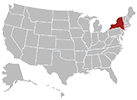
Mental health care is one of the fastest evolving sectors in American healthcare, and New York sits at the center of that transformation.
From major psychiatric hospitals in New York City to community-based programs in Buffalo, Albany, and Rochester, the demand for trained support professionals continues to grow.
A Mental Health Technician (MHT) plays a hands-on role in patient care, working closely with nurses, psychiatrists, and therapists to support individuals facing mental health challenges.
In a state with diverse populations and complex healthcare needs, MHTs are essential to maintaining safe, therapeutic environments.
If you are compassionate, observant, emotionally resilient, and interested in healthcare without committing to years of schooling, becoming a Mental Health Technician in New York may be a strong career fit.
Go to Section:
- What Does a Mental Health Technician Do?
- MHT vs Behavioral Health Technician vs Psychiatric Technician
- Education Requirements in New York
- Top Schools Offering Mental Health Technician Programs in New York
- #1 Borough of Manhattan Community College
- #2 LaGuardia Community College
- #3 Hudson Valley Community College
- #4 Monroe Community College
- #5 SUNY Erie Community College
- #6 Nassau Community College
- Certification Options in New York
- Popular Mental Health Technician Certifications in New York
- Step-by-Step: How to Become a Mental Health Technician in New York
- How Long Does It Take to Become a Mental Health Technician in New York?
- Cost to Become a Mental Health Technician in New York
- Job Outlook for Mental Health Technicians in New York
- Salary for Mental Health Technicians in New York
- Frequently Asked Questions
What Does a Mental Health Technician Do?
Mental Health Technicians provide direct support to patients receiving psychiatric or behavioral health treatment.
Daily Responsibilities
Typical duties include:
- Monitoring patient behavior and emotional status
- Assisting with daily living activities such as hygiene and meals
- Supporting therapeutic activities and group sessions
- Recording observations and documenting patient progress
- Ensuring safety in inpatient or residential settings
- Assisting nurses and physicians during care procedures
MHTs often serve as the frontline observers in psychiatric units. Their documentation and insight help inform treatment decisions.
Common Work Settings in New York
Mental Health Technicians in New York commonly work in:
- State psychiatric hospitals
- Private hospitals and medical centers
- Residential treatment facilities
- Substance abuse recovery centers
- Community mental health clinics
- Crisis stabilization units
Large healthcare systems in New York City and regional medical centers upstate provide consistent employment opportunities.
MHT vs Behavioral Health Technician vs Psychiatric Technician
Although often used interchangeably, there are subtle differences:
- Mental Health Technician (MHT): General support role in psychiatric or behavioral settings.
- Behavioral Health Technician (BHT): Focuses more specifically on behavior intervention plans and substance use treatment.
- Psychiatric Technician: In some states, this role requires formal licensure and more clinical training. In New York, the title is less regulated compared to states like California.
In New York, most roles fall under Mental Health or Behavioral Health Technician classifications and do not require a separate state license.
Education Requirements in New York
Minimum Education
To begin working as a Mental Health Technician in New York, you typically need:
- High school diploma or GED
Some employers may provide on-the-job training.
Optional Education Pathways
While not always required, many employers prefer candidates who complete:
- Certificate programs in behavioral health
- Associate degree programs in human services or psychology
Relevant Coursework
Helpful courses include:
- Introduction to Psychology
- Abnormal Psychology
- Human Development
- Anatomy and Physiology
- Patient Care Techniques
- Crisis Intervention
Additional certifications in CPR and First Aid are often required before employment.
Top Schools Offering Mental Health Technician Programs in New York
#1 Borough of Manhattan Community College
Borough of Manhattan Community College, part of the City University of New York system, serves more than 20,000 students in downtown Manhattan.
It offers strong healthcare and human services pathways and has partnerships with hospitals and community agencies throughout New York City.
The college operates on a semester system and provides flexible class schedules, including evening and weekend options, which is helpful if you are working while studying.
Courses Offered
Students pursuing preparation for mental health technician roles typically enroll in the Associate of Science in Human Services, which requires about 60 credit hours.
The program usually takes 2 years of full-time study to complete.
Coursework commonly includes Introduction to Human Services, General Psychology, Abnormal Psychology, Human Development, Social Welfare Policy, Group Dynamics, Case Management, and Crisis Intervention.
Many students complete a supervised fieldwork placement of approximately 120 to 180 hours in a social service or mental health setting, giving real-world experience before graduation.
Program Cost
For New York State residents, tuition is approximately $2,400 per semester for 12 to 15 credit hours, or about $4,800 per academic year.
Non-residents pay roughly $320 per credit hour.
Books and materials typically cost $1,000 to $1,500 per year.
Over two years, an in-state student can expect total tuition costs around $9,600, not including fees and living expenses.
Contact Information
- Address: 199 Chambers St, New York, NY 10007, United States
- Phone: +1 212-220-8000
- Website: Visit School Website
#2 LaGuardia Community College

LaGuardia Community College in Long Island City enrolls more than 17,000 students and is also part of the CUNY system.
It is known for its diverse student body and strong career-focused programs.
The school operates on a quarter system, which allows students to complete more academic sessions per year and potentially finish requirements faster.
Courses Offered
Students interested in mental health support roles often choose the Associate in Arts in Human Services or related behavioral science programs.
The degree requires about 60 credit hours and generally takes 2 years to complete. Core courses include Introduction to Human Services, Counseling Techniques, Abnormal Psychology, Substance Abuse Counseling, Ethics in Human Services, and Community Mental Health.
A fieldwork component of around 135 to 200 hours is usually required, giving students supervised clinical exposure in hospitals, nonprofit agencies, or residential treatment facilities.
Program Cost
In-state tuition is approximately $2,400 per semester for full-time students.
Because LaGuardia uses a quarter system, students typically pay about $2,400 per quarter for 12 credits.
Annual tuition for New York residents averages close to $4,800 to $5,000.
Books, supplies, and fees can add another $1,200 per year.
Over two years, total tuition for residents is often under $10,000.
Contact Information
- Address: 31-10 Thomson Ave, Long Island City, NY 11101, United States
- Phone: +1 718-482-7200
- Website: Visit School Website
#3 Hudson Valley Community College
Hudson Valley Community College in Troy serves more than 10,000 students and offers a wide range of health-related associate degree programs.
The college has strong ties with regional hospitals and behavioral health agencies in the Capital Region, including Albany and surrounding counties.
Courses Offered
Students preparing for mental health technician careers typically enroll in the Associate of Science in Human Services.
The program requires about 62 credit hours and usually takes 4 semesters to complete.
Courses include Introduction to Psychology, Developmental Psychology, Abnormal Psychology, Interviewing Skills, Case Management, Social Policy, and Crisis Prevention.
A required internship or practicum of approximately 150 hours allows students to gain supervised experience in a clinical or community setting.
Program Cost
For New York State residents, tuition is approximately $2,650 per semester for full-time enrollment of 12 to 18 credits.
Annual tuition is about $5,300.
Books and materials generally cost $1,200 to $1,500 per year.
Total tuition over two years for in-state students is roughly $10,600, not including housing or transportation.
Contact Information
- Address: 80 Vandenburgh Ave, Troy, NY 12180, United States
- Phone: +1 877-325-4822
- Website: Visit School Website
#4 Monroe Community College
Monroe Community College, located in Rochester, enrolls more than 8,000 students annually.
It is part of the SUNY system and offers comprehensive support services, including tutoring, career advising, and transfer planning.
The college maintains partnerships with hospitals, residential treatment programs, and mental health agencies across Monroe County.
Courses Offered
Students often pursue the Associate of Science in Human Services, which requires 60 to 63 credit hours.
The program typically takes 2 years of full-time study.
Coursework includes Foundations of Human Services, Abnormal Psychology, Counseling Skills, Substance Abuse Counseling, Ethics and Professional Practice, and Cultural Diversity in Human Services.
Students complete a supervised practicum of approximately 180 hours, which may take place in inpatient psychiatric units or community mental health programs.
Program Cost
In-state tuition is about $2,500 per semester for full-time students.
Annual tuition averages $5,000.
Books, course materials, and lab fees typically add $1,200 per year.
Over two years, tuition for New York residents is approximately $10,000, with total education-related expenses closer to $12,500 when including materials and fees.
Contact Information
- Address: 1000 E Henrietta Rd, Rochester, NY 14623, United States
- Phone: +1 585-292-2000
- Website: Visit School Website
#5 SUNY Erie Community College

SUNY Erie Community College serves the Buffalo area and enrolls roughly 9,000 students.
The college offers multiple health and human service programs and provides hands-on learning opportunities through partnerships with local healthcare systems.
Courses Offered
Students interested in mental health support roles often enroll in the Associate in Arts or Associate in Science in Human Services.
The degree requires around 60 credit hours and generally takes 2 years to complete.
Courses typically include Introduction to Human Services, Social Psychology, Abnormal Psychology, Interviewing Techniques, Group Counseling, and Community Resources.
A field placement of about 150 to 200 hours is required, allowing students to apply classroom learning in real clinical environments.
Program Cost
For New York residents, tuition is approximately $2,600 per semester for full-time enrollment.
Annual tuition totals about $5,200.
Books and supplies can cost $1,000 to $1,400 per year.
Over two years, total tuition is approximately $10,400 for in-state students.
Contact Information
- Address: 6205 Main St, Williamsville, NY 14221, United States
- Phone: +1 716-851-1322
- Website: Visit School Website
#6 Nassau Community College
Nassau Community College, located in Garden City on Long Island, enrolls more than 13,000 students.
It is one of the largest community colleges in New York and offers strong transfer and career preparation programs.
The campus has modern facilities and established connections with healthcare providers in Nassau and Suffolk counties.
Courses Offered
Students pursuing preparation for mental health technician roles often complete the Associate of Science in Human Services, which requires about 60 credit hours and typically takes 2 years.
Coursework includes Introduction to Psychology, Abnormal Psychology, Human Growth and Development, Counseling Skills, Case Management, and Ethics in Human Services.
The program includes a supervised internship of approximately 120 to 180 hours in a social service or behavioral health setting.
Program Cost
In-state tuition is approximately $2,450 per semester for full-time students.
Annual tuition is about $4,900. Books and materials generally cost $1,200 per year.
Over two years, tuition totals around $9,800 for New York residents, with additional costs for fees and supplies bringing the estimated total educational cost closer to $12,000.
Contact Information
- Address: 1 Education Dr, Garden City, NY 11530, United States
- Phone: +1 516-572-7501
- Website: Visit School Website
Schools Summary Table
Certification Options in New York
New York does not mandate state licensure specifically for Mental Health Technicians.
However, voluntary certification can improve job prospects.
Nationally Recognized Certifications
Common options include:
- Certified Mental Health Technician (CMHT)
- Behavioral Health Technician (BHT) Certification
These certifications are issued through national professional organizations.
Exam and Renewal Requirements
Certification typically requires:
- Proof of education or work experience
- Passing a competency exam
- Renewal every one to two years
- Continuing education credits for renewal
Popular Mental Health Technician Certifications in New York
| Certification | Issuing Organization | Exam Required | Renewal Period | Notes |
|---|---|---|---|---|
| Certified Mental Health Technician (CMHT) | American Medical Certification Association | Yes | Every 2 years | Widely recognized nationally |
| Behavioral Health Technician (BHT) | American Certification Board | Yes | Annual renewal | Popular in substance use settings |
| Certified Psychiatric Technician Assistant (CPTA) | National Career Certification Board | Yes | Every 2 years | Entry-level focused |
Step-by-Step: How to Become a Mental Health Technician in New York
1. Meet Basic Eligibility Requirements
- Be at least 18 years old
- Hold a high school diploma or GED
- Pass a background check
- Complete CPR certification
2. Complete Required Education or Training
Enroll in a certificate or associate program in behavioral health, psychology, or human services.
3. Gain Supervised Clinical Experience
Many programs include internships or practicum placements in hospitals or community mental health facilities.
4. Pass Certification Exams (Optional but Recommended)
Obtain CMHT or BHT certification to strengthen your resume.
5. Apply for State Registration if Required by Employer
While New York does not require a statewide MHT license, certain employers may require internal credentialing.
6. Apply for Jobs in New York
Look for positions in:
- NYC Health + Hospitals
- Private psychiatric facilities
- Residential treatment centers
- Community-based nonprofit agencies
How Long Does It Take to Become a Mental Health Technician in New York?
Fast Track: About 6 Months
- Complete a certificate program
- Gain basic clinical experience
- Begin entry-level employment
Typical Path: 1 to 2 Years
- Earn an associate degree
- Complete supervised clinical training
- Obtain voluntary certification
The timeline depends on whether you choose formal education or direct workforce entry.
Cost to Become a Mental Health Technician in New York
Costs vary depending on your chosen pathway:
Certificate Programs
- Community colleges: approximately $3,000 to $8,000 total
- Private vocational schools: approximately $8,000 to $15,000
Associate Degree Programs
- SUNY community colleges: roughly $5,000 to $6,000 per year in tuition for in-state students
- Private colleges: $15,000 to $25,000 per year
Additional Costs
- Certification exam fees: approximately $150 to $300
- CPR and First Aid certification: $50 to $150
- Books and materials: $500 to $1,200
Financial aid, grants, and workforce development programs are widely available in New York.
Job Outlook for Mental Health Technicians in New York
Demand for mental health support professionals continues to rise across the state.
Employment Growth Trends
Growth is strongest in:
- Psychiatric hospitals
- Substance abuse treatment centers
- Residential behavioral health programs
- Community mental health clinics
Regional Demand
- New York City: High demand due to population density
- Buffalo and Rochester: Expanding community programs
- Albany region: State-operated psychiatric facilities
Long-Term Career Stability
Mental health services are considered essential healthcare.
As awareness increases and access expands, job stability in this field remains strong.
Salary for Mental Health Technicians in New York
Entry-level positions typically offer lower starting compensation compared to experienced technicians.
Factors That Influence Salary
- Geographic location within New York
- Type of employer, such as hospital vs residential facility
- Level of education
- Professional certifications
- Years of experience
- Union affiliation in certain public hospitals
Technicians working in large metropolitan hospital systems generally earn more than those in smaller community facilities.
Average Salary of Mental Health Technicians in New York
Annual Salary Range:| Item | Percent |
|---|---|
$40K | |
$57K | |
$78K |
New York Salary by Metro Area
| Metro Area | Employed | Avg. Annual | Avg. Hourly | Top 10% | Bottom 10% |
|---|---|---|---|---|---|
| New York-Newark-Jersey City, NY-NJ | 2,580 | $59,030 | $28.38 | $72,660 | $43,170 |
| Syracuse, NY | 90 | $51,340 | $24.68 | $60,600 | $42,940 |
* Employment conditions may vary by location.
Frequently Asked Questions
Do I need a license to work as a Mental Health Technician in New York?
No statewide license is required.
Most employers require a high school diploma and training, but certification is voluntary.
Are jobs available outside New York City?
Yes.
Upstate regions, including Buffalo, Rochester, Syracuse, and Albany, offer consistent employment opportunities.
Is working as a Mental Health Technician emotionally demanding?
It can be.
The role requires patience, empathy, and emotional resilience.
However, many professionals find it deeply meaningful and rewarding.
Can I become a Mental Health Technician without a college degree?
Yes.
Many entry-level roles require only a high school diploma, though additional training improves job prospects.
Is this a good career if I plan to become a nurse or therapist later?
Absolutely.
Many MHTs use this role as a stepping stone toward nursing, social work, or psychology careers.