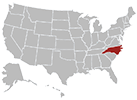
Mental Health Technicians, often called MHTs, play a hands-on role in supporting individuals who are navigating mental health challenges.
In North Carolina, the demand for behavioral health services continues to grow as communities focus more on access to care, crisis response, and long-term recovery support.
From busy urban hospitals in Charlotte and Raleigh to community clinics in rural counties, trained support staff are essential.
If you are compassionate, patient, and interested in working directly with people in a healthcare setting, this career can be both meaningful and practical.
Mental Health Technicians help stabilize patients, support treatment plans, and strengthen the overall healthcare system in North Carolina.
Go to Section:
- What Does a Mental Health Technician Do?
- MHT vs Behavioral Health Technician vs Psychiatric Technician
- Education Requirements in North Carolina
- Top Schools Offering Mental Health Technician Programs in North Carolina
- #1 Wake Technical Community College
- #2 Central Piedmont Community College
- #3 Guilford Technical Community College
- #4 Cape Fear Community College
- #5 Durham Technical Community College
- #6 Forsyth Technical Community College
- Certification Options in North Carolina
- Popular Mental Health Technician Certifications in North Carolina
- Step by Step: How to Become a Mental Health Technician in North Carolina
- How Long Does It Take to Become a Mental Health Technician in North Carolina?
- Cost to Become a Mental Health Technician in North Carolina
- Job Outlook for Mental Health Technicians in North Carolina
- Salary for Mental Health Technicians in North Carolina
- Frequently Asked Questions
What Does a Mental Health Technician Do?
Mental Health Technicians work under the supervision of nurses, psychiatrists, psychologists, and licensed therapists.
Daily Responsibilities
Typical duties include:
- Monitoring patient behavior and emotional status
- Assisting with daily living activities such as hygiene and meals
- Documenting patient progress and incidents
- Supporting group therapy sessions
- Helping de escalate crises
- Transporting patients within facilities
- Maintaining a safe and therapeutic environment
- Documentation and observation are critical parts of the job. Technicians often serve as the eyes and ears of the clinical team.
Common Work Settings in North Carolina
Mental Health Technicians work in:
- Psychiatric hospitals
- General hospitals with behavioral health units
- Residential treatment centers
- Substance abuse treatment facilities
- Community mental health agencies
- State-operated psychiatric facilities
Large healthcare systems and state facilities throughout North Carolina frequently hire MHTs to support inpatient and outpatient programs.
MHT vs Behavioral Health Technician vs Psychiatric Technician
- Mental Health Technician (MHT): Broad support role focused on patient care, monitoring, and safety.
- Behavioral Health Technician (BHT): Often similar to MHT, sometimes more focused on behavior modification plans, especially in residential or youth settings.
- Psychiatric Technician: In some states, this is a licensed role with additional medical responsibilities. North Carolina does not require a separate psychiatric technician license for entry-level support positions.
Education Requirements in North Carolina
Minimum Education
At a minimum, you need:
- A high school diploma or GED
Many employers also require CPR certification and basic life support training.
Optional Education Pathways
While not always required, completing formal training increases job opportunities.
You may pursue:
- Certificate programs in behavioral health or psychiatric technology
- Associate degree programs in human services, psychology, or mental health technology
Relevant Coursework
Helpful subjects include:
- Introduction to Psychology
- Abnormal Psychology
- Human Development
- Anatomy and Physiology
- Crisis Intervention
- Patient Care Techniques
Community colleges in North Carolina offer affordable pathways for students entering the behavioral health field.
Top Schools Offering Mental Health Technician Programs in North Carolina
#1 Wake Technical Community College

Wake Technical Community College is located in Raleigh and serves more than 70,000 students annually through curriculum and continuing education programs.
It is one of the largest community colleges in North Carolina.
Wake Tech offers strong healthcare and human services pathways, modern campus facilities, and flexible scheduling options, including day, evening, and some online courses.
The college operates multiple campuses throughout Wake County, making it accessible for students in the Raleigh and surrounding areas.
Courses Offered
Wake Tech offers an Associate in Applied Science in Human Services Technology with a Mental Health concentration.
The program requires approximately 67 to 72 credit hours and typically takes 2 years to complete if attending full-time.
Core courses include:
- Introduction to Human Services
- Human Services Issues
- Group Process
- Interviewing and Counseling Skills
- Crisis Intervention
- Abnormal Psychology
- Substance Abuse Counseling
- Case Management
Students also complete a supervised practicum experience, which provides hands-on training in a clinical or community setting.
This practicum usually includes 160 to 240 hours of fieldwork.
Program Cost
In-state tuition at North Carolina community colleges is approximately 76 dollars per credit hour.
For a 70-credit-hour program, tuition totals about 5,320 dollars.
Additional costs include:
- Books and materials: 1,000 to 1,500 dollars
- Background checks and drug screening: 100 to 200 dollars
- Liability insurance and student fees: 200 to 400 dollars
- Estimated total cost: 6,500 to 7,500 dollars for in-state students.
Contact Information
- Address: 9101 Fayetteville Rd, Raleigh, NC 27603, United States
- Phone: +1 919-866-5000
- Website: Visit School Website
#2 Central Piedmont Community College
Central Piedmont Community College is located in Charlotte and serves over 40,000 students each year.
It is known for strong workforce development programs and close partnerships with healthcare employers in Mecklenburg County.
The college offers modern simulation labs and strong job placement connections in the Charlotte metro area.
Courses Offered
Central Piedmont offers an Associate in Applied Science in Human Services Technology with a Mental Health concentration.
The program requires approximately 67 credit hours and takes about 2 years to complete full-time.
Courses include:
- Introduction to Sociology
- Developmental Psychology
- Counseling Theories
- Crisis Intervention
- Behavioral Health Care
- Group Counseling
- Ethics in Human Services
- Case Management
Students must complete a supervised work-based learning experience, usually 160 to 240 clinical hours in approved facilities.
Program Cost
Tuition for in-state students is about 76 dollars per credit hour.
For 67 credit hours, tuition totals approximately 5,092 dollars.
Additional estimated costs:
- Books: 1,200 dollars
- Course and technology fees: 300 to 500 dollars
- Background screening: 150 dollars
- Estimated total cost: 6,700 to 7,000 dollars.
Contact Information
- Address: 1201 Elizabeth Ave, Charlotte, NC 28204, United States
- Phone: +1 704-330-2722
- Website: Visit School Website
#3 Guilford Technical Community College
Guilford Technical Community College serves students in Greensboro, High Point, and Jamestown.
The college enrolls more than 30,000 students annually and has a strong healthcare training division.
Its programs are designed to prepare students for immediate employment in human services and behavioral health settings.
Courses Offered
The Associate in Applied Science in Human Services Technology with a Mental Health focus requires approximately 68 credit hours and takes 2 years full-time.
Key courses include:
- Human Services Systems
- Counseling Skills
- Abnormal Psychology
- Social Policy
- Substance Abuse Treatment
- Group Dynamics
- Community Mental Health
Students complete a field placement practicum of approximately 192 hours in a behavioral health setting.
Program Cost
With tuition at about 76 dollars per credit hour, total tuition for 68 credits equals roughly 5,168 dollars.
Other costs:
- Books and course materials: 1,000 to 1,400 dollars
- Fees and insurance: 300 to 500 dollars
- Screening and immunizations: 200 dollars
- Estimated total cost: 6,700 to 7,200 dollars
Contact Information
- Address: 601 E Main St, Jamestown, NC 27282, United States
- Phone: +1 336-334-4822
- Website: Visit School Website
#4 Cape Fear Community College

Cape Fear Community College is located in Wilmington and serves coastal North Carolina.
The college enrolls over 20,000 students and offers strong career-focused programs in health and human services.
Small class sizes provide personalized instruction and support.
Courses Offered
Cape Fear offers an Associate in Applied Science in Human Services Technology requiring about 67 to 70 credit hours.
Coursework includes:
- Introduction to Human Services
- Counseling Techniques
- Crisis Intervention
- Family Systems
- Abnormal Psychology
- Case Management
- Ethics and Professional Practice
Students complete a clinical practicum of approximately 160 to 200 hours in a local mental health or social service agency.
Program Cost
Tuition at 76 dollars per credit hour results in approximately 5,300 dollars for a 70-credit program.
Additional expenses:
- Books: 1,000 to 1,300 dollars
- Student activity and lab fees: 250 to 400 dollars
- Background check and drug testing: 150 dollars
- Estimated total cost: 6,700 to 7,200 dollars.
Contact Information
- Address: 411 N Front St, Wilmington, NC 28401, United States
- Phone: +1 910-362-7000
- Website: Visit School Website
#5 Durham Technical Community College

Durham Technical Community College serves Durham and Orange counties and enrolls about 18,000 students annually.
The college is known for strong transfer pathways and workforce training programs.
Its proximity to major healthcare systems in the Triangle region gives students excellent internship opportunities.
Courses Offered
Durham Tech offers an Associate in Applied Science in Human Services Technology requiring about 67 credit hours.
Students take:
- Human Services Systems
- Interviewing Techniques
- Crisis Counseling
- Abnormal Psychology
- Substance Abuse Counseling
- Multicultural Counseling
- Community Resources
A required work-based learning component includes approximately 192 clinical hours.
Program Cost
At 76 dollars per credit hour, tuition for 67 credits totals about 5,092 dollars.
Additional costs:
- Books: 1,200 dollars
- Course fees: 300 to 500 dollars
- Health screenings and background checks: 150 to 250 dollars
- Estimated total cost: 6,700 to 7,200 dollars.
Contact Information
- Address: 1637 E Lawson St, Durham, NC 27703, United States
- Phone: +1 919-536-7200
- Website: Visit School Website
#6 Forsyth Technical Community College

Forsyth Technical Community College is located in Winston-Salem and enrolls more than 20,000 students annually.
It offers a wide range of healthcare and public service programs and maintains partnerships with regional hospitals and behavioral health providers.
Courses Offered
Forsyth Tech provides an Associate in Applied Science in Human Services Technology with about 67 credit hours required for graduation.
Courses include:
- Introduction to Human Services
- Counseling and Interviewing
- Crisis Intervention
- Group Process
- Abnormal Psychology
- Case Management
- Professional Ethics
Students complete a supervised practicum experience that generally requires 160 to 240 hours in an approved mental health setting.
Program Cost
Tuition for 67 credit hours at 76 dollars per credit hour equals approximately 5,092 dollars.
Other estimated costs:
- Books and supplies: 1,000 to 1,400 dollars
- Student fees and insurance: 300 to 500 dollars
- Screening costs: 150 dollars
- Estimated total cost: 6,700 to 7,100 dollars.
Contact Information
- Address: 2100 Silas Creek Pkwy, Winston-Salem, NC 27103, United States
- Phone: +1 336-723-0371
- Website: Visit School Website
Schools Summary Table
Certification Options in North Carolina
North Carolina does not require state licensure specifically for Mental Health Technicians.
However, certifications can strengthen your resume.
Nationally Recognized Certifications
Common options include:
- Certified Mental Health Technician (CMHT)
- Behavioral Health Technician Certification (BHT)
These certifications are typically offered through national credentialing organizations and require coursework, experience, and an exam.
Exam and Renewal Requirements
Most certifications require:
- Completion of an approved training program
- Passing a proctored exam
- Continuing education credits for renewal
- Renewal every one to three years
Popular Mental Health Technician Certifications in North Carolina
| Certification | Issuing Organization | Eligibility | Renewal Requirement |
|---|---|---|---|
| Certified Mental Health Technician (CMHT) | National certification body | High school diploma + training | Continuing education required |
| Behavioral Health Technician (BHT) | National credentialing organization | Training + supervised experience | Renewal every few years |
| CPR and Basic Life Support | American Red Cross or equivalent | Short course completion | Renewal every two years |
Step by Step: How to Become a Mental Health Technician in North Carolina
1. Meet Eligibility Requirements
- Be at least 18 years old
- Have a high school diploma or GED
- Pass a background check
- Complete drug screening if required
2. Complete Required Education or Training
Enroll in a certificate or associate degree program, or complete employer-sponsored training.
3. Gain Supervised Clinical Experience
Many programs include practicum hours in hospitals or residential facilities.
Employers may also provide on-the-job training.
4. Pass Certification Exams (If Applicable)
If pursuing CMHT or BHT credentials, complete exam requirements after training.
5. Apply for State Registration (If Required by Employer)
While North Carolina does not mandate a state license for MHTs, certain employers may require registry enrollment or internal credentialing.
6. Apply for Jobs in North Carolina
Look for openings in:
- State psychiatric hospitals
- Private behavioral health facilities
- Community mental health centers
- Substance abuse treatment programs
How Long Does It Take to Become a Mental Health Technician in North Carolina?
Fast Track Path: About 6 Months
- Complete a short-term certificate program
- Finish clinical hours
- Apply for entry-level roles
Typical Path: 1 to 2 Years
- Earn an associate degree
- Gain clinical experience
- Obtain optional certification
Cost to Become a Mental Health Technician in North Carolina
Costs vary depending on the program.
Certificate Programs
- Tuition at community colleges: approximately 2,000 to 5,000 dollars total
- Books and supplies: 500 to 1,000 dollars
- CPR certification: 50 to 150 dollars
- Estimated total: 2,500 to 6,000 dollars
Associate Degree Programs
- Tuition at public community colleges: 4,000 to 10,000 dollars total for two years
- Books and materials: 1,000 to 2,000 dollars
- Background checks and fees: 100 to 300 dollars
- Estimated total: 5,000 to 12,000 dollars
Financial aid and in-state tuition significantly reduce costs for North Carolina residents.
Job Outlook for Mental Health Technicians in North Carolina
Demand for behavioral health services continues to grow across the state.
Expansion in:
- Hospital behavioral health units
- Residential treatment programs
- Substance abuse recovery centers
- Community-based crisis services
Urban areas such as Charlotte, Raleigh, Greensboro, and Durham show strong hiring demand.
Rural counties also need support staff as access to care expands.
Long-term stability is strong due to ongoing mental health awareness initiatives and workforce shortages in healthcare.
Salary for Mental Health Technicians in North Carolina
Entry-level technicians typically earn less than those with experience or certifications.
Pay increases with:
- Years of experience
- Work setting, such as a hospital versus residential care
- Additional certifications
- Shift differentials for nights or weekends
- Location within the state
Hospitals and state-operated facilities often provide stronger benefits packages compared to smaller private facilities.
Average Salary of Mental Health Technicians in North Carolina
Annual Salary Range:| Item | Percent |
|---|---|
$32K | |
$39K | |
$50K |
North Carolina Salary by Metro Area
| Metro Area | Employed | Avg. Annual | Avg. Hourly | Top 10% | Bottom 10% |
|---|---|---|---|---|---|
| Asheville, NC | 220 | $40,200 | $19.33 | $48,730 | $36,420 |
| Charlotte-Concord-Gastonia, NC-SC | 1,130 | $43,440 | $20.89 | $49,200 | $37,470 |
| Durham-Chapel Hill, NC | 340 | $42,360 | $20.37 | $51,530 | $36,030 |
| Fayetteville, NC | 300 | $40,690 | $19.56 | $47,150 | $32,510 |
| Goldsboro, NC | 50 | $36,720 | $17.65 | $43,900 | $30,550 |
| Greensboro-High Point, NC | 240 | $43,510 | $20.92 | $51,730 | $35,280 |
| Greenville, NC | 110 | $42,960 | $20.66 | $63,710 | $31,680 |
| Hickory-Lenoir-Morganton, NC | 140 | $43,030 | $20.69 | $52,840 | $33,330 |
| Jacksonville, NC | 190 | $32,970 | $15.85 | $37,250 | $24,900 |
| Pinehurst-Southern Pines, NC | 40 | $39,440 | $18.96 | $50,530 | $31,830 |
| Raleigh-Cary, NC | 640 | $43,690 | $21.01 | $51,710 | $36,790 |
| Rocky Mount, NC | 90 | $39,090 | $18.79 | $49,080 | $30,450 |
| Wilmington, NC | 320 | $36,720 | $17.65 | $45,510 | $32,360 |
| Winston-Salem, NC | 400 | $40,780 | $19.61 | $45,910 | $36,630 |
* Employment conditions may vary by location.
Frequently Asked Questions
Can I become a Mental Health Technician without college?
Yes.
Many employers in North Carolina hire candidates with a high school diploma and provide on-the-job training.
However, formal education improves job prospects and advancement opportunities.
Is certification required in North Carolina?
Certification is not legally required statewide.
Some employers prefer or require national certification for certain roles.
Can this career lead to advancement?
Absolutely.
Many MHTs continue their education to become licensed practical nurses, registered nurses, social workers, or counselors.
Is this job emotionally challenging?
It can be.
You may work with patients in crisis or experiencing severe mental illness.
Strong communication skills, patience, and emotional resilience are important for long-term success.
Do Mental Health Technicians work with children?
Yes.
Some facilities specialize in adolescent or pediatric behavioral health.
Technicians may work with children in residential or inpatient programs.