Mental Health Technicians, often called MHTs, play a vital role in supporting individuals who are experiencing mental health challenges, emotional distress, or substance use disorders.
They work closely with patients and licensed professionals to help create safe, structured, and supportive environments.
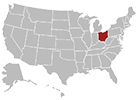
In Ohio, the demand for mental health services continues to grow.
With expanded community mental health programs, hospital systems, and residential treatment facilities across cities like Columbus, Cleveland, Cincinnati, Toledo, and Dayton, trained mental health support staff are essential.
As awareness of mental health increases statewide, so does the need for compassionate, well-trained technicians.
This career is ideal for individuals who are empathetic, patient, detail-oriented, and interested in healthcare or behavioral sciences.
Mental Health Technicians make a direct impact on patient recovery by providing daily support, encouragement, and stability during vulnerable moments.
Go to Section:
- What Does a Mental Health Technician Do in Ohio?
- Mental Health Technician vs Behavioral Health Technician vs Psychiatric Technician
- Education and Training Requirements in Ohio
- Program Length and Estimated Costs in Ohio
- Top Schools Offering Mental Health Technician Programs in Ohio
- #1 Columbus State Community College
- #2 Cuyahoga Community College
- #3 Sinclair Community College
- #4 Stark State College
- #5 Owens Community College
- Step by Step: How to Become a Mental Health Technician in Ohio
- Job Outlook for Mental Health Technicians in Ohio
- Salary for Mental Health Technicians in Ohio
- Frequently Asked Questions
What Does a Mental Health Technician Do in Ohio?
Mental Health Technicians in Ohio work under the supervision of nurses, social workers, psychologists, and psychiatrists.
Their daily responsibilities often include:
- Assisting patients with daily living activities such as hygiene, meals, and routines
- Monitoring patient behavior and emotional stability
- Observing and documenting changes in mood or behavior
- Supporting group therapy sessions
- Helping implement treatment plans
- Ensuring a safe and structured environment
Common Work Settings in Ohio
MHTs are employed in a variety of healthcare environments across the state, including:
- Psychiatric hospitals
- Residential treatment centers
- Community mental health centers
- Outpatient behavioral health clinics
- Substance abuse treatment facilities
- Correctional facilities with behavioral health units
Large hospital systems and regional healthcare networks throughout Ohio regularly hire entry-level mental health staff, especially in urban and suburban areas.
Mental Health Technician vs Behavioral Health Technician vs Psychiatric Technician
In Ohio, the titles Mental Health Technician and Behavioral Health Technician are often used interchangeably.
Both roles focus on direct patient care and behavioral monitoring.
A Psychiatric Technician, however, may require more specialized training and is sometimes licensed in other states.
Ohio does not require a specific state license for Mental Health Technicians, but employers may prefer candidates with formal training or certification.
Education and Training Requirements in Ohio
Minimum Education Requirement
At a minimum, most Ohio employers require a high school diploma or GED.
Some facilities may also require CPR certification and a clean background check.
Certificate and Associate Degree Programs
While not always required, completing a certificate or associate degree program in behavioral health, human services, or mental health technology can significantly improve job prospects.
Common program types include:
- Behavioral Health Technology certificates
- Human Services associate degrees
- Social Work associate degrees
- Mental Health Technology programs
Relevant Coursework
Programs typically include coursework such as:
- Introduction to Psychology
- Abnormal Psychology
- Human Development
- Crisis Intervention
- Patient Care Techniques
- Ethics in Human Services
- Substance Use Disorders
- Group Counseling Fundamentals
Program Length and Estimated Costs in Ohio
- Certificate programs typically take 6 to 12 months to complete
- Associate degree programs usually take 2 years
- Credit hours generally range from 18 to 60 credits, depending on program type
In-state tuition at Ohio community colleges is often structured per credit hour, with total program costs varying based on residency status and program length
Students may also be required to complete supervised practicum or internship hours in clinical settings.
Top Schools Offering Mental Health Technician Programs in Ohio
#1 Columbus State Community College

Columbus State Community College is a large public community college serving central Ohio.
It enrolls over 25,000 students annually and offers a wide range of health and human services programs.
The college emphasizes workforce readiness and practical experience.
Courses Offered
The Human Services Associate of Applied Science program includes approximately 60 credit hours.
Coursework includes Introduction to Human Services, Counseling Techniques, Group Dynamics, Crisis Intervention, Ethics, and supervised field experience.
Students complete practicum hours in community agencies.
Program Cost
Tuition is charged per credit hour for Ohio residents.
A full 60-credit program typically spans two academic years for full-time students.
Additional costs may include textbooks, background checks, and field placement requirements.
Contact Information
- Address: 550 E Spring St, Columbus, OH 43215, United States
- Phone: +1 380-265-0211
- Website: Visit School Website
#2 Cuyahoga Community College
Cuyahoga Community College, also known as Tri-C, serves the Cleveland area and is one of the largest community colleges in Ohio.
It has multiple campuses and strong partnerships with regional healthcare providers.
Courses Offered
The Human Services Associate Degree program requires around 60 credit hours.
Students study Abnormal Psychology, Case Management, Substance Abuse Counseling, and Cultural Competency, and complete supervised internships.
Evening and online course options are available for flexibility.
Program Cost
Tuition is assessed per credit hour for in-county and out-of-county residents.
Program completion generally takes two years.
Financial aid and workforce development grants may be available for eligible students.
Contact Information
- Address: 4250 Richmond Rd, Highland Hills, OH 44122, United States
- Phone: +1 216-987-6000
- Website: Visit School Website
#3 Sinclair Community College
Located in Dayton, Sinclair Community College is known for its affordable tuition and career-focused programs.
It serves thousands of students each year and offers strong healthcare training pathways.
Courses Offered
Sinclair offers a Human Services program requiring approximately 60 credit hours.
Students complete coursework in Counseling Skills, Behavioral Health, and Ethics, and complete fieldwork placements that provide hands-on experience in mental health settings.
Program Cost
Tuition is charged per credit hour and varies by residency status.
Most students complete the program within two academic years.
Additional fees may apply for lab work and practicum supervision.
Contact Information
- Address: 444 W Third St, Dayton, OH 45402, United States
- Phone: +1 937-512-3000
- Website: Visit School Website
#4 Stark State College

Stark State College serves northeast Ohio and has a strong focus on career and technical education.
The college partners with local healthcare agencies for student placement and employment pathways.
Courses Offered
The Human and Social Services Associate Degree includes roughly 60 credit hours.
Courses include Interviewing Techniques, Crisis Intervention, Psychology, and Case Documentation.
A required internship component provides direct experience in community agencies.
Program Cost
Tuition is structured per credit hour.
The program typically takes two years to complete for full-time students.
Books, clinical background checks, and liability insurance may incur additional costs.
Contact Information
- Address: 6200 Frank Ave NW, North Canton, OH 44720, United States
- Phone: +1 330-494-6170
- Website: Visit School Website
#5 Owens Community College

Owens Community College serves northwest Ohio and offers a variety of workforce-driven programs.
It maintains relationships with hospitals and behavioral health organizations throughout the region.
Courses Offered
The Human Services program requires approximately 60 credit hours.
Students take courses in Mental Health Fundamentals, Substance Abuse Counseling, and Family Systems and complete supervised practicum hours in approved facilities.
Program Cost
Tuition is assessed per credit hour for residents.
Program completion generally takes four semesters for full-time students.
Additional costs may include clinical screening requirements and textbooks.
Contact Information
- Address: 30335 Oregon Rd, Perrysburg, OH 43551, United States
- Phone: +1 567-661-6000
- Website: Visit School Website
Schools Summary Table
| Rank | School | |
|---|---|---|
| | #1 | Columbus State Community College |
| | #2 | Cuyahoga Community College |
| | #3 | Sinclair Community College |
| | #4 | Stark State College |
| | #5 | Owens Community College |
Step by Step: How to Become a Mental Health Technician in Ohio
- Step 1: Meet basic eligibility requirements such as being at least 18 years old, holding a high school diploma or GED, and passing a background check.
- Step 2: Complete a certificate or associate degree program in behavioral health, human services, or a related field if required or preferred by employers.
- Step 3: Gain supervised clinical experience through internships, practicum placements, or entry-level healthcare roles.
- Step 4: Obtain certification if preferred by employers. While Ohio does not mandate state licensure for MHTs, national certifications can strengthen your resume.
- Step 5: Apply for positions in hospitals, residential treatment centers, outpatient clinics, and community mental health agencies throughout Ohio.
Job Outlook for Mental Health Technicians in Ohio
Mental Health Technicians in Ohio are employed in hospitals, residential care facilities, substance abuse treatment centers, and community mental health programs.
Urban areas such as Columbus, Cleveland, and Cincinnati tend to have the highest concentration of job opportunities due to larger healthcare systems.
There is also steady demand in rural counties where access to behavioral health services is expanding.
Community mental health agencies, crisis stabilization units, and addiction treatment centers continue to hire support staff.
Long-term career stability is strong, especially for individuals who pursue additional certifications or continue their education in nursing, social work, or counseling.
Salary for Mental Health Technicians in Ohio
Entry-level Mental Health Technicians in Ohio typically earn lower wages at the beginning of their careers, particularly in smaller facilities or rural areas.
With experience, specialized training, and certification, earning potential increases.
Factors that influence pay include:
- Geographic location within Ohio
- Type of employer, such as a hospital versus a residential facility
- Level of education and certification
- Years of experience
- Shift differentials for nights or weekends
Those who advance into supervisory roles or pursue additional degrees may significantly increase their earning potential.
Average Salary of Mental Health Technicians in Ohio
Annual Salary Range:| Item | Percent |
|---|---|
$32K | |
$37K | |
$46K |
Ohio Salary by Metro Area
| Metro Area | Employed | Avg. Annual | Avg. Hourly | Top 10% | Bottom 10% |
|---|---|---|---|---|---|
| Akron, OH | 140 | $38,990 | $18.74 | $46,120 | $35,020 |
| Cincinnati, OH-KY-IN | 370 | $39,950 | $19.21 | $46,910 | $34,750 |
| Cleveland, OH | 550 | $39,700 | $19.09 | $46,670 | $34,620 |
| Columbus, OH | 540 | $40,710 | $19.57 | $49,900 | $35,510 |
| Dayton-Kettering-Beavercreek, OH | ** | $38,690 | $18.60 | $43,200 | $35,240 |
| Sandusky, OH | 40 | $38,780 | $18.64 | $39,960 | $37,750 |
| Springfield, OH | 60 | $35,620 | $17.13 | $38,660 | $32,880 |
| Toledo, OH | 160 | $41,000 | $19.71 | $48,660 | $34,730 |
| Youngstown-Warren, OH | 190 | $35,500 | $17.07 | $40,310 | $30,860 |
* Employment conditions may vary by location.
Frequently Asked Questions
Does Ohio require certification to work as a Mental Health Technician?
Ohio does not require a specific state license for Mental Health Technicians.
However, some employers may prefer candidates who hold national certifications or have completed formal training programs.
How long does it take to become a Mental Health Technician in Ohio?
If you meet minimum education requirements, you can qualify for some entry-level roles immediately.
Completing a certificate program may take under one year, while an associate degree typically takes two years.
Can I work while completing my education?
Yes.
Many community colleges in Ohio offer evening, weekend, and online courses.
Some students work part-time in healthcare settings while completing their degree.
Are entry-level jobs available without experience?
Yes.
Many residential treatment centers and community mental health agencies hire individuals with a high school diploma and provide on-the-job training.
What are the advancement opportunities in this field?
Mental Health Technicians often advance into roles such as case manager, substance abuse counselor, psychiatric nurse, or social worker after gaining experience and pursuing additional education.