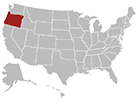
Mental Health Technicians, often called MHTs or Behavioral Health Technicians, play a vital role in Oregon’s healthcare system.
They work directly with individuals experiencing mental health conditions, emotional challenges, and substance use disorders, providing hands-on support in clinical and residential settings.
In Oregon, the demand for mental health professionals continues to grow.
Urban areas like Portland and Eugene are expanding community-based services, while rural regions are working to increase access to behavioral health care.
As the state prioritizes mental health access and crisis response services, trained support staff are needed more than ever.
This career is ideal for compassionate, patient, and observant individuals who want to make a direct impact on people’s lives.
If you are interested in psychology, social services, or nursing and enjoy working closely with people, becoming a Mental Health Technician in Oregon can be a meaningful and stable career path.
Go to Section:
- What Does a Mental Health Technician Do in Oregon?
- Education and Training Requirements in Oregon
- Estimated Program Costs
- Top Schools Offering Mental Health Technician Programs in Oregon
- #1 Portland Community College
- #2 Lane Community College
- #3 Chemeketa Community College
- Step by Step: How to Become a Mental Health Technician in Oregon
- Job Outlook for Mental Health Technicians in Oregon
- Salary for Mental Health Technicians in Oregon
- Frequently Asked Questions
What Does a Mental Health Technician Do in Oregon?
Mental Health Technicians in Oregon work under the supervision of licensed professionals such as psychiatrists, psychologists, registered nurses, and licensed clinical social workers.
Daily responsibilities often include:
- Assisting patients with daily living activities such as hygiene, meals, and recreational activities
- Monitoring patient behavior and emotional status
- Documenting observations and reporting changes to clinical staff
- Supporting treatment plans and therapeutic activities
- Helping maintain a safe and structured environment
- Assisting during crises or behavioral interventions
MHTs work in a variety of settings across Oregon, including:
- State and private psychiatric hospitals
- Residential treatment centers
- Community mental health clinics
- Substance use recovery facilities
- Youth and adolescent treatment programs
Their work ensures that patients receive consistent care and supervision, which is essential for effective treatment and recovery.
Education and Training Requirements in Oregon
Minimum Education Requirement
In Oregon, the minimum requirement to work as a Mental Health Technician is typically a high school diploma or GED.
However, many employers prefer candidates who have additional training or education in behavioral health or a related field.
Certificate and Associate Degree Programs
Many aspiring MHTs pursue:
- A certificate in behavioral health or psychiatric technology
- An Associate of Applied Science in Human Services, Psychology, or Behavioral Health
Community colleges across Oregon offer programs designed to prepare students for entry-level roles in mental health and social services.
Program Length
- Certificate programs typically take 6 to 12 months to complete
- Associate degree programs generally require 2 years of full-time study and around 90 to 100 credit hours
Some programs include internships or practicum experiences, providing supervised hands-on training in real clinical settings.
Estimated Program Costs
Costs vary depending on residency status and institution.
For Oregon residents attending community colleges:
- Tuition often ranges from approximately 140 to 170 dollars per credit hour
- A 90-credit associate degree may total between 12,000 and 16,000 dollars in tuition, not including books and fees
Financial aid, grants, and workforce training programs may be available for eligible students.
Top Schools Offering Mental Health Technician Programs in Oregon
#1 Portland Community College

Portland Community College is one of the largest community colleges in Oregon, serving thousands of students across multiple campuses.
It offers career-focused programs in human services and behavioral health designed to prepare students for direct service roles.
Courses Offered
PCC offers an Associate of Applied Science in Human Services, which typically requires around 90 credit hours and can be completed in approximately 2 years.
Coursework includes Introduction to Human Services, Crisis Intervention, Counseling Skills, Group Dynamics, Case Management, and Ethics.
The program includes a practicum component where students complete supervised field experience in community settings.
Program Cost
In-state tuition is typically around 150 dollars per credit hour.
A 90-credit program may total approximately 13,500 dollars in tuition.
Additional costs include student fees, textbooks, and background checks required for clinical placements.
Contact Information
- Address: 705 N Killingsworth St, Portland, OR 97217, United States
- Phone: +1 971-722-6111
- Website: Visit School Website
#2 Lane Community College

Located in Eugene, Lane Community College offers strong career technical programs and partnerships with local mental health agencies.
It is well known for hands-on training and workforce preparation.
Courses Offered
Lane offers an Associate of Applied Science in Human Services with an emphasis on social services.
The program requires approximately 90 to 96 credit hours and can be completed in 2 years.
Courses include Abnormal Psychology, Interviewing Techniques, Cultural Competency, Substance Use Disorders, and Crisis Intervention.
Students complete supervised practicum experiences in behavioral health settings.
Program Cost
Tuition for Oregon residents is generally around 140 to 160 dollars per credit hour.
Total tuition for the full program may range between 13,000 and 15,000 dollars, excluding materials and fees.
Contact Information
- Address: 4000 E 30th Ave, Eugene, OR 97405, United States
- Phone: +1 541-463-3000
- Website: Visit School Website
#3 Chemeketa Community College
Based in Salem, Chemeketa Community College serves students throughout the Willamette Valley.
It offers workforce-focused programs aligned with healthcare and social service careers.
Courses Offered
Chemeketa offers an Associate of Applied Science in Human Services requiring about 90 credit hours.
The program typically takes 2 years to complete. Coursework includes Human Development, Counseling Theories, Crisis Prevention, Addiction Studies, and Case Management.
The curriculum includes fieldwork placements in approved community agencies.
Program Cost
In-state tuition is usually around 145 to 165 dollars per credit hour.
A 90-credit program may cost approximately 13,000 to 15,000 dollars in tuition.
Students should budget for additional program-related fees and background screening costs.
Contact Information
- Address: 4000 Lancaster Dr NE, Salem, OR 97305, United States
- Phone: +1 503-399-5000
- Website: Visit School Website
Schools Summary Table
| Rank | School | |
|---|---|---|
| | #1 | Portland Community College |
| | #2 | Lane Community College |
| | #3 | Chemeketa Community College |
Step by Step: How to Become a Mental Health Technician in Oregon
- Step 1. Meet basic eligibility requirements
You must be at least 18 years old and have a high school diploma or GED. Most employers require a background check and may require drug screening. - Step 2. Complete the required education or training program
While some entry-level positions accept a high school diploma, completing a certificate or associate degree significantly improves job prospects. - Step 3. Gain supervised clinical experience
Many programs include practicum or internship hours. Even if not required by the state, employers often prefer candidates with hands-on experience. - Step 4. Obtain certification if required or preferred
Oregon does not mandate state licensure for Mental Health Technicians, but national certifications, such as Certified Mental Health Technician, can strengthen your resume and improve advancement opportunities. - Step 5. Apply for jobs
Look for positions in hospitals, residential treatment facilities, community mental health centers, and private behavioral health clinics across Oregon.
Job Outlook for Mental Health Technicians in Oregon
Oregon continues to expand behavioral health services, particularly in community-based and crisis response settings.
Hospitals and residential treatment facilities regularly hire Mental Health Technicians to support licensed professionals.
Urban areas such as Portland and Salem offer the highest concentration of job opportunities.
However, rural communities also show strong demand as the state works to improve access to mental health services outside major metropolitan areas.
Long-term career stability is strong, especially for those who pursue additional certifications or degrees.
Many MHTs advance into roles such as case manager, substance use counselor, or continue their education in nursing, psychology, or social work.
Salary for Mental Health Technicians in Oregon
Entry-level Mental Health Technicians in Oregon typically earn lower starting wages, especially in smaller community settings.
However, experienced technicians with several years of service, additional certifications, or specialized training can earn significantly higher compensation.
Factors that influence pay include:
- Geographic location within Oregon
- Type of employer, such as a state hospital versus a private clinic
- Level of education
- Certification status
- Years of experience
Positions in larger metropolitan areas and hospital settings often offer stronger benefit packages and higher earning potential.
Average Salary of Mental Health Technicians in Oregon
Annual Salary Range:| Item | Percent |
|---|---|
$37K | |
$51K | |
$71K |
Oregon Salary by Metro Area
| Metro Area | Employed | Avg. Annual | Avg. Hourly | Top 10% | Bottom 10% |
|---|---|---|---|---|---|
| Eugene-Springfield, OR | 270 | $50,140 | $24.11 | $66,840 | $34,840 |
| Portland-Vancouver-Hillsboro, OR-WA | 650 | $47,940 | $23.05 | $64,810 | $37,680 |
| Salem, OR | 440 | $64,220 | $30.88 | $73,530 | $51,660 |
* Employment conditions may vary by location.
Frequently Asked Questions
Is certification required to work as a Mental Health Technician in Oregon?
Certification is not required by the state, but many employers prefer candidates who hold a national credential.
Certification can also help with promotions and salary increases.
Are there entry-level jobs available without experience?
Yes.
Some residential treatment centers and community programs hire candidates with minimal experience, especially if they demonstrate strong interpersonal skills and a willingness to learn.
What are the advancement opportunities in this field?
Mental Health Technicians often advance into supervisory roles, case management positions, or pursue further education in counseling, nursing, or social work.
This role can serve as a strong foundation for long-term careers in behavioral health.
How long does it take to become a Mental Health Technician in Oregon?
You can qualify for some entry-level roles with a high school diploma.
Completing a certificate may take 6 to 12 months, while an associate degree typically takes 2 years.
Can I work while completing my education?
Yes.
Many students attend community college part-time while working.
Some employers even offer tuition assistance for employees pursuing behavioral health training.