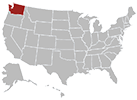
A Mental Health Technician, often called a Behavioral Health Technician, plays a vital hands-on role in supporting individuals experiencing mental health challenges.
In Washington, these professionals work directly with patients in hospitals, psychiatric units, residential treatment centers, and community clinics.
They help ensure safety, stability, and compassionate care every day.
Demand for mental health services continues to grow across Washington.
Population growth in urban areas like Seattle and Tacoma, along with expanded behavioral health services throughout the state, has increased the need for trained support professionals.
Mental Health Technicians are essential members of care teams, helping licensed nurses, therapists, and psychiatrists provide quality treatment.
This career is ideal for individuals who are empathetic, patient, emotionally resilient, and interested in healthcare or social services.
It is also a strong entry point for those planning to advance into nursing, counseling, psychology, or social work.
The impact MHTs have on patient care is significant, often serving as the primary daily support person for individuals in crisis or recovery.
Go to Section:
- What Does a Mental Health Technician Do in Washington?
- Education and Training Requirements in Washington
- Estimated Program Costs in Washington
- Top Schools Offering Mental Health Technician Programs in Washington
- #1 Seattle Central College
- #2 Tacoma Community College
- #3 Spokane Community College
- Step by Step: How to Become a Mental Health Technician in Washington
- Job Outlook for Mental Health Technicians in Washington
- Salary for Mental Health Technicians in Washington
- Frequently Asked Questions
What Does a Mental Health Technician Do in Washington?
Mental Health Technicians in Washington provide direct support and supervision to patients in a variety of settings.
Their responsibilities focus on patient safety, emotional support, and documentation.
Daily responsibilities typically include:
- Monitoring patient behavior and reporting changes to nurses or licensed clinicians
- Assisting patients with daily living activities such as meals, hygiene, and recreation
- Supporting therapeutic group activities and structured programs
- Helping de escalate tense situations using approved intervention techniques
- Documenting observations and maintaining accurate records
- Ensuring a safe and secure treatment environment
MHTs work closely with registered nurses, social workers, psychologists, and psychiatrists.
In inpatient psychiatric hospitals or crisis stabilization units, they may provide round-the-clock supervision.
In outpatient or community settings, they may assist with structured programming and skill-building activities.
Education and Training Requirements in Washington
Minimum Education
In Washington, the minimum requirement for most Mental Health Technician positions is a high school diploma or GED.
However, many employers prefer candidates with additional education in behavioral health or related fields.
Certificate and Associate Degree Programs
Many aspiring MHTs pursue a certificate or associate degree in areas such as:
- Behavioral Health
- Human Services
- Psychology
- Social and Human Services
- Substance Use Disorder Studies
Programs typically range from 6 months to 2 years, depending on the credential.
Certificate programs often take 6 to 12 months to complete.
Associate degree programs usually require 90 to 120 credit hours and take about 2 years.
Estimated Program Costs in Washington
Tuition varies by institution and residency status.
Community college certificate programs may range from approximately $4,000 to $8,000 total for in-state students.
Associate degree programs may range from $8,000 to $15,000 in total tuition for Washington residents.
Additional costs may include textbooks, background checks, immunizations, and clinical placement fees.
Many programs include supervised practicum or internship experiences in behavioral health settings, giving students hands-on clinical exposure before entering the workforce.
Top Schools Offering Mental Health Technician Programs in Washington
#1 Seattle Central College
Seattle Central College is part of the Seattle Colleges District and offers career focused programs in health and human services.
The college serves a diverse urban student population and provides both in person and hybrid learning formats.
Courses Offered
Seattle Central offers an Associate in Applied Science in Human Services, typically requiring around 90 credits.
Coursework includes introduction to human services, counseling techniques, crisis intervention, case management, and fieldwork experience.
The program generally takes two years to complete and includes supervised practicum hours in community agencies.
Program Cost
In state tuition is approximately $4,000 to $5,000 per year.
Total estimated tuition for the full associate degree is about $8,000 to $10,000, excluding books and fees.
Contact Information
- Address: 1701 Broadway, Seattle, WA 98122, United States
- Phone: +1 206-934-3800
- Website: Visit School Website
#2 Tacoma Community College

Tacoma Community College serves students in the South Puget Sound region and offers workforce oriented healthcare and human services programs.
Flexible scheduling options support working students.
Courses Offered
The college offers a Human Services Associate degree that includes courses in psychology, chemical dependency, ethics, multicultural counseling, and supervised internships.
The program typically requires around 90 credits and includes practical training components.
Program Cost
Annual in state tuition is roughly $4,000 to $5,000.
The total cost for the full associate program generally ranges from $8,000 to $11,000, depending on credit load and fees.
Contact Information
- Address: 6501 S 19th St, Tacoma, WA 98466, United States
- Phone: +1 253-566-5000
- Website: Visit School Website
#3 Spokane Community College

Spokane Community College is part of Community Colleges of Spokane and provides career and technical education programs across Eastern Washington.
Courses Offered
The Human Services program includes coursework in counseling methods, crisis intervention, addiction studies, and client assessment.
Students complete approximately 90 credits and participate in supervised practicum placements in local behavioral health settings.
Program Cost
In state tuition averages about $4,500 per year.
The full associate degree program may cost between $8,500 and $12,000 in tuition, excluding additional materials and clinical fees.
Contact Information
- Address: 1810 N Greene St, Spokane, WA 99217, United States
- Phone: +1 509-533-7000
- Website: Visit School Website
Schools Summary Table
| Rank | School | |
|---|---|---|
| | #1 | Seattle Central College |
| | #2 | Tacoma Community College |
| | #3 | Spokane Community College |
Step by Step: How to Become a Mental Health Technician in Washington
- Step 1. Meet Basic Eligibility Requirements – Be at least 18 years old, hold a high school diploma or GED, and pass required background checks. Many employers also require CPR certification and proof of immunizations.
- Step 2. Complete Required Education or Training – Enroll in a certificate or associate degree program in behavioral health, human services, or a related field to strengthen your qualifications.
- Step 3. Gain Supervised Clinical Experience – Complete internship or practicum hours during your program. Employers often prefer candidates with hands-on clinical experience.
- Step 4. Obtain Certification if Required or Preferred – Washington does not require a specific statewide license for Mental Health Technicians, but voluntary certifications can strengthen your resume. Employers may value credentials in behavioral health or crisis intervention.
- Step 5. Apply for Positions – Search for opportunities in psychiatric hospitals, residential treatment facilities, community mental health centers, correctional facilities, and private behavioral health clinics throughout Washington.
Job Outlook for Mental Health Technicians in Washington
The job outlook for Mental Health Technicians in Washington is strong.
Growth in healthcare services, expanded behavioral health funding, and increased awareness of mental health needs continue to drive demand.
Urban areas such as Seattle, Tacoma, and Spokane have high demand due to large hospital systems and behavioral health networks.
Rural regions also need trained professionals, especially in community-based mental health services.
Long-term career stability is promising, particularly for those who pursue additional certifications or degrees.
Many MHTs advance into roles such as case manager, substance use counselor, psychiatric nurse, or social worker with further education.
Salary for Mental Health Technicians in Washington
Entry-level Mental Health Technicians typically earn moderate starting wages, with higher earning potential as they gain experience.
Factors influencing pay include:
- Geographic location within Washington
- Type of employer, such as a private hospital versus a nonprofit agency
- Level of education and certification
- Years of experience
- Shift differentials for evening or overnight work
Professionals in metropolitan areas and specialized psychiatric facilities often earn more than those in smaller community settings.
Average Salary of Mental Health Technicians in Washington
Annual Salary Range:| Item | Percent |
|---|---|
$43K | |
$51K | |
$73K |
Washington Salary by Metro Area
| Metro Area | Employed | Avg. Annual | Avg. Hourly | Top 10% | Bottom 10% |
|---|---|---|---|---|---|
| Seattle-Tacoma-Bellevue, WA | 1,010 | $56,980 | $27.40 | $75,460 | $49,120 |
| Spokane-Spokane Valley, WA | 120 | $61,340 | $29.49 | $73,810 | $40,750 |
* Employment conditions may vary by location.
Frequently Asked Questions
Is certification required to work as a Mental Health Technician in Washington?
Certification is not typically required by the state, but employers may prefer candidates with relevant credentials or crisis intervention training.
How long does it take to become a Mental Health Technician?
You can qualify for some entry level roles with a high school diploma, but completing a certificate may take 6 to 12 months.
An associate degree usually takes about two years.
What careers can I advance to after working as an MHT?
With additional education, you can pursue careers in nursing, counseling, social work, case management, or substance use disorder treatment.
Are entry level jobs readily available in Washington
Yes.
Behavioral health facilities, hospitals, and residential treatment centers frequently hire entry level technicians, especially in larger metro areas and regions experiencing workforce shortages.
Can I work while completing my education?
Yes.
Many community colleges offer part time, evening, or hybrid classes that allow students to work while attending school.