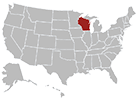
Mental Health Technicians, often called Psychiatric Technicians or Behavioral Health Technicians, play a vital role in supporting individuals living with mental health conditions.
In Wisconsin, demand for trained mental health professionals continues to grow as hospitals, residential treatment centers, and community agencies expand services to meet increasing needs across both urban and rural communities.
This career is ideal for compassionate, patient individuals who want to make a direct impact on people’s lives.
Mental Health Technicians work closely with patients every day, helping stabilize crises, encourage progress, and support recovery.
For those considering long-term careers in nursing, counseling, psychology, or social work, this role can also serve as an excellent entry point into the behavioral health field.
Go to Section:
- What Does a Mental Health Technician Do in Wisconsin?
- Education and Training Requirements in Wisconsin
- Estimated Program Costs in Wisconsin
- Top Schools Offering Mental Health Technician Programs in Wisconsin
- #1 Milwaukee Area Technical College
- #2 Madison College
- #3 Fox Valley Technical College
- Step by Step: How to Become a Mental Health Technician in Wisconsin
- Job Outlook for Mental Health Technicians in Wisconsin
- Salary for Mental Health Technicians in Wisconsin
- Frequently Asked Questions
What Does a Mental Health Technician Do in Wisconsin?
In Wisconsin healthcare facilities, Mental Health Technicians work under the supervision of licensed professionals, including nurses, psychiatrists, and social workers.
Their daily responsibilities often include:
- Assisting patients with daily living activities such as hygiene, meals, and mobility
- Monitoring behavior and documenting changes in mood or condition
- Supporting therapeutic activities and group sessions
- Ensuring patient safety within inpatient or residential settings
- De-escalating crises using approved techniques
- Communicating observations to licensed medical and mental health staff
Mental Health Technicians work in settings such as state hospitals, community mental health centers, substance abuse treatment facilities, and correctional institutions.
The work can be fast-paced and emotionally demanding, but also deeply rewarding.
Education and Training Requirements in Wisconsin
Minimum Education
In Wisconsin, the minimum requirement for entry-level Mental Health Technician positions is typically a high school diploma or GED.
However, many employers prefer candidates who have completed formal training in behavioral health or a related healthcare field.
Certificate and Associate Degree Programs
Students may pursue:
- Behavioral Health Technician certificates
- Human Services certificates
- Associate degrees in Human Services, Psychiatric Technology, or Substance Abuse Counseling
Most certificate programs take 6 to 12 months to complete.
Associate degree programs typically require about 60 credits and take approximately 2 years of full time study.
Estimated Program Costs in Wisconsin
Costs vary depending on residency status and institution type.
For Wisconsin residents attending public technical colleges:
- Certificate programs: approximately $3,500 to $6,000 total tuition
- Associate degree programs: approximately $8,000 to $12,000 total tuition
Additional costs may include books, background checks, immunizations, and CPR certification.
Top Schools Offering Mental Health Technician Programs in Wisconsin
#1 Milwaukee Area Technical College

Milwaukee Area Technical College serves students throughout southeastern Wisconsin and offers career-focused healthcare programs.
Programs combine classroom learning with hands-on training opportunities.
Courses Offered
- Human Service Associate Degree (60 credits)
- Substance Abuse Counselor Education Certificate
Courses may include psychology, crisis intervention, case management, ethics, and supervised practicum experiences.
Programs are available in in-person and hybrid formats.
Program Cost
Associate degree tuition for Wisconsin residents is approximately $150 to $170 per credit.
A 60-credit program totals roughly $9,000 to $10,200 in tuition, excluding fees and materials.
Contact Information
- Address: 700 W State St, Milwaukee, WI 53233, United States
- Phone: +1 414-297-6282
- Website: Visit School Website
#2 Madison College

Madison College provides comprehensive technical education in central Wisconsin.
Its Human Services programs prepare students for entry-level behavioral health positions.
Courses Offered
Human Services Associate Degree (60 credits)
Behavioral Health-related coursework, including counseling fundamentals, group facilitation, mental health theory, and practicum training.
Students complete supervised fieldwork in community settings.
Program Cost
Resident tuition averages about $145 to $165 per credit.
Total tuition for a 60-credit associate degree typically ranges from $8,700 to $9,900, not including books and fees.
Contact Information
- Address: 1701 Wright St, Madison, WI 53704, United States
- Phone: +1 608-246-6100
- Website: Visit School Website
#3 Fox Valley Technical College

Fox Valley Technical College serves northeastern Wisconsin and offers career-ready programs in health sciences and human services.
Courses Offered
- Human Services Associate Degree (60 credits)
- Substance Use Disorder Counselor Certificate
Courses include behavioral disorders, crisis assessment, client documentation, ethics, and internship placements.
Programs may include online coursework combined with in-person practicum requirements.
Program Cost
Tuition for Wisconsin residents averages $150 per credit.
A full 60-credit associate program generally costs around $9,000 in tuition before fees.
Contact Information
- Address: 1825 N Bluemound Dr, Appleton, WI 54914, United States
- Phone: +1 920-735-5600
- Website: Visit School Website
Schools Summary Table
| Rank | School | |
|---|---|---|
| | #1 | Milwaukee Area Technical College |
| | #2 | Madison College |
| | #3 | Fox Valley Technical College |
Step by Step: How to Become a Mental Health Technician in Wisconsin
- Step 1. Meet Basic Eligibility Requirements – Be at least 18 years old, hold a high school diploma or GED, and pass required background checks. Employers may also require CPR certification and immunization records.
- Step 2. Complete Required Education or Training – Enroll in a certificate or associate degree program in human services, behavioral health, or a related field to strengthen job prospects.
- Step 3. Gain Supervised Clinical Experience – Complete a practicum or internship during your training. Many Wisconsin employers prefer candidates with hands-on experience in clinical or residential settings.
- Step 4. Obtain Certification if Required or Preferred – Wisconsin does not require statewide licensure for Mental Health Technicians. However, earning credentials such as Certified Psychiatric Technician or substance abuse counseling certifications can improve employment opportunities.
- Step 5. Apply for Jobs – Seek employment in hospitals, residential treatment centers, community mental health agencies, correctional facilities, or private behavioral health clinics throughout Wisconsin.
Job Outlook for Mental Health Technicians in Wisconsin
Wisconsin continues to experience demand for mental health support professionals, particularly in:
- Inpatient psychiatric hospitals
- Residential treatment centers
- Substance abuse recovery facilities
- Community mental health agencies
Urban areas such as Milwaukee and Madison offer the largest concentration of positions.
However, rural regions of northern and western Wisconsin also face workforce shortages, creating opportunities for trained professionals.
Long-term career stability is strong due to ongoing mental health awareness initiatives and expanded access to behavioral healthcare services. With additional education, technicians may advance into supervisory roles or pursue careers in nursing, counseling, or social work.
Salary for Mental Health Technicians in Wisconsin
Entry-level Mental Health Technicians typically earn modest starting wages that increase with experience and additional certifications.
Experienced technicians, especially those working in hospital settings or specialized treatment facilities, generally earn higher wages.
Factors that influence pay include:
- Geographic location within Wisconsin
- Type of employer
- Level of education and certification
- Years of experience
- Shift differentials for evenings, nights, or weekends
Technicians who continue their education often see increased earning potential over time.
Average Salary of Mental Health Technicians in Wisconsin
Annual Salary Range:| Item | Percent |
|---|---|
$31K | |
$38K | |
$64K |
Wisconsin Salary by Metro Area
| Metro Area | Employed | Avg. Annual | Avg. Hourly | Top 10% | Bottom 10% |
|---|---|---|---|---|---|
| Appleton, WI | 190 | $39,220 | $18.86 | $50,280 | $30,850 |
| Eau Claire, WI | 80 | $36,160 | $17.39 | $43,500 | $30,250 |
| Green Bay, WI | 200 | $37,720 | $18.13 | $45,880 | $30,370 |
| Janesville-Beloit, WI | 60 | $36,870 | $17.73 | $46,020 | $29,370 |
| La Crosse-Onalaska, WI-MN | 60 | $37,830 | $18.19 | $43,960 | $33,340 |
| Madison, WI | 960 | $60,560 | $29.12 | $84,780 | $37,680 |
| Milwaukee-Waukesha, WI | 1,650 | $38,050 | $18.29 | $48,980 | $31,360 |
| Racine-Mount Pleasant, WI | 110 | $32,240 | $15.50 | $43,110 | $23,220 |
* Employment conditions may vary by location.
Frequently Asked Questions
Is certification required to work as a Mental Health Technician in Wisconsin?
Statewide certification is not mandatory, but many employers prefer candidates with relevant credentials or formal training.
Are entry-level jobs available without experience?
Yes.
Some facilities hire candidates with only a high school diploma and provide on-the-job training, though formal education improves competitiveness.
What career advancement opportunities exist?
Mental Health Technicians can advance into supervisory roles or continue their education to become nurses, licensed counselors, or social workers.
How long does it take to complete a training program?
Certificate programs can take 6 to 12 months.
Associate degree programs typically require about 2 years of full-time study.
Can I work while completing my education?
Yes.
Many programs offer part-time, evening, or hybrid formats that allow students to work while attending school.