






What is a School Nurse?
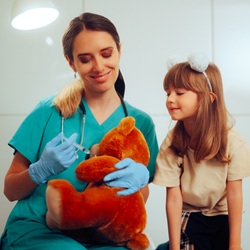
A School Nurse does a lot to bridge the gap between home life and school life for children and their health.
Not only will a School Nurse educate students on healthy eating, illness, hygiene, and taking care of their body, they will also give checkups, help with issues happening at home, and provide a safe haven for children in schools all over the country.
This can be a stressful career, but with education, certification, and a love for children, anyone can be a great School Nurse if they put their mind to it.
Duties
There are many roles for a School Nurse nowadays.
Not only will they examine and treat students for cuts, scrapes, and illnesses, but they are expected to make sure all of the other parts of the school day are healthy for children as well.
Some of the daily tasks of a School Nurse may include:
- Developing plans for responding to emergencies
- Providing screenings and referrals or healthcare
- Promoting a healthy school environment
- Developing and evaluating school health policies
- Ensuring communication with students about health issues
Salary
Becoming a School Nurse takes formal education and certification, so this career can pay pretty well.
Most School Nurses make around $77,000 a year in the United States.
There are some states where School Nurses can make over $100,000 depending on the population and socio-economic status of the surrounding area.
For example, in California, the average salary for a School Nurse is $113,000 a year.
However, there are School Nurses who make around $50,000 a year as well.
In South Dakota, the typical salary of a School Nurse is about $58,000 a year.
Some of the variables in salary could be the size of the population of the school, grants, and educational services provided by the state, as well as the competency and education level of the nurse.
Annually National Average Salary: $98,430
Average Annual Salary by State
| State | Avg. Annual Salary |
|---|---|
| Alabama | $74,970 |
| Alaska | $112,040 |
| Arizona | $95,230 |
| Arkansas | $77,720 |
| California | $148,330 |
| Connecticut | $103,670 |
| Delaware | $95,450 |
| District of Columbia | $109,240 |
| Florida | $88,200 |
| Georgia | $91,960 |
| Hawaii | $123,720 |
| Idaho | $89,770 |
| Illinois | $91,130 |
| Indiana | $85,850 |
| Iowa | $77,780 |
| Kansas | $79,430 |
| Kentucky | $83,900 |
| Louisiana | $84,110 |
| Maine | $87,440 |
| Maryland | $96,650 |
| Massachusetts | $112,610 |
| Michigan | $90,580 |
| Minnesota | $99,460 |
| Mississippi | $79,470 |
| Missouri | $81,950 |
| Montana | $88,480 |
| Nebraska | $82,890 |
| Nevada | $102,280 |
| New Hampshire | $94,620 |
| New Jersey | $106,990 |
| New Mexico | $94,360 |
| New York | $110,490 |
| North Carolina | $86,270 |
| North Dakota | $81,900 |
| Ohio | $86,110 |
| Oklahoma | $85,800 |
| Oregon | $120,470 |
| Pennsylvania | $90,830 |
| Rhode Island | $99,770 |
| South Carolina | $84,930 |
| South Dakota | $72,210 |
| Tennessee | $82,010 |
| Texas | $91,690 |
| Utah | $88,240 |
| Vermont | $92,710 |
| Virginia | $90,930 |
| Washington | $115,740 |
| West Virginia | $80,650 |
| Wisconsin | $90,450 |
| Wyoming | $88,020 |
| Guam | - NA - |
| Puerto Rico | $41,470 |
| Virgin Islands | $73,280 |
Annual Average Salary: Top 5 States
The top earning state in the field is California, where the average salary is $148,330.
These are the top 5 earning states in the field:
* Employment conditions may vary by location.
How to Become a School Nurse
Step 1 Earn a Bachelor's Degree
In order to work as a School Nurse, you will need to have a Bachelor’s degree in nursing.
This is because you will be working with students and faculty that require certain knowledge in the field.
Earning a degree can take around four years to finish, and will likely require you to take classes such as:
- Anatomy and Physiology
- Biology
- Microbiology
- Chemistry
- Nursing Practice
- Nursing Ethics
- Life Span
- Psychology
- Health Assessment
- Leadership
It is almost certain that you will also be required to take elective classes like English, math, and other sciences.
Most Bachelor’s degree programs entail lab time, clinical, and an internship or externship in order to fulfill graduation requirements.
It’s even possible to earn a Bachelor’s degree in nursing online, but remember to do your lab work and clinical in-person to gain hands-on experience.
Due to the specialty of this career, there are other areas that are acceptable to major in that can lead to a career as a School Nurse.
These majors include:
- Counseling
- Biochemistry
- Psychology
- Health Education
- Nutrition
After obtaining a degree, it’s essential to take the NCLEX-RN exam to become a Registered Nurse.
Step 2 Become a Registered Nurse
Having a nursing license in the United States is crucial to gaining employment.
In order to obtain a license, an aspiring nurse who has graduated from an accredited program needs to take the NCLEX-RN exam.
This exam is competency-based, which means the more you know, the fewer questions you will need to answer.
Because it is based on how competent you are, it’s possible to answer as little as 75 questions, and as many as 200.
These exams can be done online or at local colleges, but it’s important to find out when they are happening near you.
The NCLEX-RN exam can take about six hours to finish, and after around 6 weeks you will know if you passed or failed the exam.
If you do fail, it’s possible to take the exam again after 45 days.
The categories to study closely that are included on the exam are:
- Safe and Effective Care Environment
- Health Promotion and Maintenance
- Psychosocial Integrity
- Physiological Integrity
This exam costs around $400 to take.
Step 3 Gain Experience
After you have a license and are considered a Registered Nurse, it’s time to start looking for a job.
Often, if a nurse has worked with a certain hospital or doctor’s office while in school, then they will continue to work for them after they have graduated.
However, there are some Registered Nurses who are looking for experience elsewhere.
Like a School Nurse, who should obtain experience in a school setting.
It’s important to look around the area in which you live to find career opportunities, especially through public, charter, or private schools.
Many School Nurses should have around 3 years of experience before looking to continue their education by obtaining a Master’s degree.
Other School Nurses earn the Certified School Nurse credential by taking the National Certification Exam for School Nurses.
Step 4 Become Certified
The National Certification Exam for School Nurses is computer-based and is given at testing centers throughout the United States.
The exam costs around $360 to take.
In order to be eligible to take the NCESN exam you must:
- Be a Registered Nurse in the United States
- Submit an academic transcript
- Have 1,000 hours of clinical experience
- Complete the online registration
The exam has around 200 questions that can take about four hours to finish.
Some of the areas that the exam covers are:
- Health Appraisal
- Health Problems
- Nursing Management
- Health Promotion/Disease Prevention
- Special Health Issues
- Professional Issues
Once you pass the exam, you are considered a Certified School Nurse.
It’s important to continue your education and keep your credentials up to date.
This certification lasts for three years, after which you will need to show proof of continued education such as taking more classes or earning another certification in another area.
Recommended Programs
Education
School Nurses must have at least a Bachelor’s degree in nursing in order to work in the United States.
This is because working as a School Nurse is considered a specialized field.
The average Bachelor’s degree takes around four years to finish and can cost anywhere from $15,000 to $45,000, depending on where you attend school.
A nursing program consists of classroom time, lab work, clinical, and an internship that should be completed before graduation.
Most of the classes will be science-based, but there may also be some electives like English, psychology, and math thrown in.
Other courses that a nursing program usually has included:
- Microbiology
- Nursing Ethics
- Nursing Practice
- Physiology
- Chemistry
- Pharmacology
- Wellness Promotion
- Research and Evidence-Based Practices
In order to be eligible for a nursing school program, you must make sure that you have all of the prerequisites:
- Graduated from high school with a 2.0 GPA or higher
- Three reference letters
- 100 hours of healthcare experience or volunteer hours
Clinical hours are considered part of your education, which means, through a nursing program you will likely need about 800 clinical hours in order to graduate.
After earning a Bachelor’s degree in nursing, it’s possible that as a School Nurse you will want to gain more education.
Many School Nurses choose to complete a Master’s degree, in order to advance their skills.
There are several Master’s degree nursing programs online, many of which take around two years to finish.
Some of the classes that you can expect to take during a Masters degree nursing program are:
- Nursing Knowledge and Practice
- Healthcare Policy and Advocacy
- Leadership and Management
- Advanced Comprehensive Health Assessment
- Students with Disabilities
For School Nurses, the main focus for the program is a hands-on experience, to learn the role of a School Nurse, and continue educating yourself and students.
There are options for School Nurses who do not want to earn a Master’s degree, certifications can provide raises and promotions, as well as many more job opportunities.
After graduating with a Bachelor’s degree, it is important that a nurse become Registered by taking the NCLEX-RN exam.
Career Video Overview
Certification and Licensing
It’s necessary to earn a license in order to work as a Registered Nurse in the United States.
In order to gain a license, you must pass the NCLEX-RN exam.
This exam is given to prospective nurses to show the knowledge and application of nursing duties.
The NCLEX-RN exam is competency-based, which means that the more questions you answer correctly, the less you will have to answer.
The least number of questions to answer is 75, and the most are 200.
This exam can take around 6 hours to complete, and there are online tests as well as in-person tests at specific facilities across the country.
Most of the questions on the exam are multiple-choice, and the topics include:
- Management of Care
- Safety and Infection Control
- Basic Care and Comfort
- Reduction of Risk Potential
- Physiological Adaptation
Around six weeks after taking the exam, you should get your test results in the mail.
This is a pass-or-fail exam, so you won’t know how many questions you got right.
If you fail, you can take the exam again after 45 days.
When you pass, you can now work as a Registered Nurse in the United States.
After being a Registered Nurse for a couple of years and gaining some experience as a School Nurse, you may want to think about earning a certification to become a Certified School Nurse.
In order to become a Certified School Nurse, you will need to take the National Certification Examination for School Nurses, which is offered at computer-based testing centers across the United States.
The NCESN exam costs around $400 to apply for, and you must schedule an appointment to take the exam, so make sure you know the testing facility closest to you.
There are many topics on this exam that cover a wide variety of School Nursing duties.
Some of the subjects you can find on the exam are:
- General Physical Health
- Cardiovascular System
- Neuro-developmental
- Emergency Care
- Health Education
- Immunizations
- Special Health Needs
- Code of Ethics
The NCESN is competency-based just like the NCLEX-RN exam, and the most questions that you can answer are 200.
This exam should take around four hours to finish, and once you complete the exam and obtain your pass or fail score you can work as a Certified School Nurse.
The Certified School Nurse certification is good for 3 years, after which renewal is necessary.
Typical Training Program Length: 4+ Years
The average training program to become a School Nurse is around two years.
Even though a Bachelor’s degree takes four years to finish, around two years of that is general education.
That’s why many nurses decide to earn an Associate’s degree, which takes two years to finish as well.
Many schools are now offering internships or externships while still in school, which can help with gaining employment after graduation.
It takes anywhere from 2-4 years to train to become a School Nurse.
Job Outlook
There will always be a necessity for essential workers like School Nurses.
It seems that the career outlook for School Nurses, as well as all Registered Nurses, will grow about 12 percent over the next decade.
The need for School Nurses may grow due to ongoing health risks in the United States.
Working in larger school districts and in areas with higher populations will provide even more job opportunities for School Nurses now and in the future.
Employers look for School Nurses with credentials, so having certifications or specializations will help you stick out in the search for a job.
* The numbers below represent all registered nurses and are not limited to school nurses.
10-Year Employment Growth Rate: 12%
2024
2034
That's a higher than average projected growth of 371,500.
Should You Become a School Nurse?
Overall Satisfaction: High

The majority of School Nurses say that they enjoy their careers.
Around 83% of School Nurses like their current position and feel that they make enough to sustain a healthy life.
Also, the hours are often easier than those that a typical Registered Nurse would work in a hospital or doctor’s office.
This role can cause a strain on nurses, though, as the burden of the children’s illnesses can be tough on some.
Overall, School Nurses find their jobs to be necessary for a better society, which makes them want to do the job even more.
Average Salary: High

Most School Nurses around the United States can expect to make a salary of around $77,000 a year.
Those who are just beginning their career will typically make a little less, on average around $52,000 a year.
In fact, there are some areas of the United States where School Nurses only make around $37,000 a year.
For School Nurses who have a lot of experience, certifications, or work in larger populations, the salary can be above $100,000 a year.
Certifications, specializations, and hands-on experience will provide School Nurses with promotions and raises.
Job Growth Outlook: High

For School Nurses, as well as all Registered Nurses, the job opportunities should continue to grow over the next ten years.
The field of nursing will see an uptick over the next decade, growing at around 12 percent.
This is due to the aging baby boomer population, including the baby boomers who are retiring from the workforce.
With the rise in the necessity for School Nurses across the country, this job should not go anywhere for years to come.
Many school districts are starting to hire more School Nurses, which will increase opportunities even more.
Time to Complete Training: 4+ Years

Being a School Nurse requires specialized education, that is why all school districts require that their nurses have a Bachelor’s degree in nursing at least.
Most Bachelor’s degree programs can take around four years to finish.
This includes an internship, clinical, and lab time.
Many schools even require a Master’s degree, this can take about two years.
Also, certification in specializations like pediatrics may be required.
This can take another 6 weeks to 6 months to obtain.
All in all, it can take anywhere from 4 to 6 years to become a School Nurse.
Personal Skills Needed

Working as a School Nurse can be difficult, especially when dealing with kids getting sick or having to fight diseases.
This is why it takes a special person to work in this position.
Some necessary traits for a School Nurse to have are:
- Communication skills
- Organization skills
- Incredible sanitation habits
- Quick thinking skills
- Respect for all ages
- Adaptability
- Able to work alone or with a group
- Leadership skills
- Great bedside manner
- Sense of humor
- Emotional stability
- Stamina
Kids can take a lot out of you, so having enough energy and a good sense of humor will get you far in this career.
Frequently Asked Questions
What is the average salary of a School Nurse?
On average, a School Nurse makes around $77,000 a year.
For a School Nurse with many years of experience who is certified, the salary can be closer to $100,000 a year.
Those who are just starting out in the career can expect to make around $52,000 a year to begin.
However, it may not take long to gain promotions or raises in this field.
Earning certifications and continuing your education can provide more salary increases for School Nurses.
How long does it take to become a School Nurse?
Most employers require at least a Bachelor’s degree in order to work as a nurse in the United States.
A Bachelor’s degree can take around four years to complete, and that includes clinical and internships that must be done before graduation.
There are some areas in which an Associate’s degree may be required instead of a Bachelor’s degree, this can take around two years to finish.
Depending on where you attend school, it can take anywhere from 2 to 4 years to become a School Nurse.
What does a School Nurse do?
A School Nurse works in school systems to provide care to students and faculty.
When children get sick at school, it’s important for licensed and professional medical personnel to take care of their needs.
With the new health codes and monitoring happening all across the world, School Nurses are going to be necessary for all types of schools.
Some of the things that a School Nurse may do on a daily basis:
- Give medications to students
- Treat medical issues
- Speak with family
- Talk to students about health
- Provide lice checks
School Nurses are tasked with keeping young people safe and healthy, which is extremely important.
What is the demand for School Nurses?
Now that schools are becoming more diligent about germs, there will likely be more School Nurse career opportunities in the next decade.
All Registered Nurses should expect to see a 12 percent rise in their career opportunities over the next few years.
Along with the new health precautions across the country and around the world, another reason for the rise in Registered Nursing jobs is due to the baby boomer population aging.
This generation will be retiring, and providing more opportunities for new nurses to come in.
How much does it cost to become a School Nurse?
Most School Nurses start out by earning a Bachelor’s degree, which takes about four years.
This can cost anywhere from $15,000 to $45,000 depending on the type of school attended.
After graduation, it’s crucial to become a licensed nurse by taking the NCLEX-RN exam.
This exam costs about $300, and then you must add on the exam to become a Certified School Nurse, which costs about $400.
All in all, it can cost anywhere from $17,000 to nearly $50,000 to become a School Nurse.
Discover Additional Medical Careers
Nursing & Patient Care
 Certified Nursing Assistant
Working as a Certified Nursing Assistant is an entry-level role that will give you hands-on experience when you are ready to take the next step in your medical career.
 Dental Hygienist
Dental hygienists take care of cleaning teeth to promote hygiene and help avoid cavities and gum problems.
 EMT
EMTTrained emergency medical technician that arrives at the scene to provide medical services such as resuscitation.
 Home Health Aide
Home health aides provide home care to individuals who require assistance in their day-to-day living.
 Licensed Practical Nurse (LPN)
Licensed Practical Nurses provide basic nursing care to patients and work with Registered Nurses and Doctors.
 Nurse Practitioner
A Nurse Practitioner can diagnose, treat, counsel, and prescribe medications to patients in hospitals or doctors’ offices.
 Patient Care Technician
Patient care techs work directly with patients helping them with daily activities and assist the medical staff by measuring and monitoring the patients' vital signs among other tasks.
 Physical Therapist Assistant
Physical therapist assistants provide physical therapy services to patients and aide to physical therapists.
 Professional Recovery Coach
A professional recovery coach is a life coach who works with someone during their addiction recovery process.
 Registered Nurse (RN)
Registered Nurses provide hands-on patient care in various settings, mainly hospitals, and clinics.
Allied Health & Clinical
 Dental Assistant
Dental assistants help dentists to provide patient care, keep records, and care for the dental equipment.
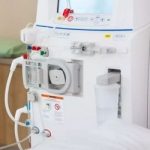 Dialysis Technician
Dialysis technicians maintain and monitor dialysis equipment, and also act as primary caregivers for patients undergoing dialysis treatment.
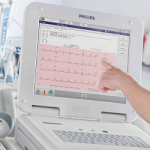
 Medical Assistant
Medical assistants support the work of physicians, nurses, and other health professionals.
 Medical Technologist
Medical laboratory technologists collect bodily samples and conduct tests to analyze those samples.
 Mental Health Technician
A Mental Health Technician is a healthcare support professional who assists licensed clinicians in caring for individuals with mental, emotional, or behavioral conditions.
 Nutritionist
As a Nutritionist, you’ll be tasked with creating meal plans, counseling, and understanding dietary restrictions for all types of clients.
 Optician
Opticians are technicians and salespersons at the same time who spends most of their day talking to customers, reading prescriptions written by doctors, and dispensing glasses and lenses.
 Pharmacy Technician
Pharmacy technicians provide patients with medications through prescription or over the counter.
 Phlebotomy Technician
As a Phlebotomist, it will be your responsibility to take blood samples from patients and send them to the lab for further testing.
 Sterile Processing Technician
A sterile processing technician is a healthcare professional who is responsible for preparing, sterilizing, maintaining, packaging, and storing medical tools and equipment used in surgical and other medical procedures.
 Surgical Technologist
Surgical technologists – also known as operating room techs – prepare operating rooms and assist doctors and nurses during surgical procedures.
Imaging & Diagnostic
 MRI Technologist
MRI Technologists use a machine to scan the body and create a detailed image of the inside for doctors to analyze.
 Respiratory Therapist
Respiratory therapists treat and care for patients who experience breathing difficulties.
 Ultrasound Technician
Ultrasound technicians aid physicians in monitoring and diagnosing patients through the use of ultrasonic imaging technology.
 X-Ray Technician
X-Ray Technicians are medical imaging professionals who use technology to visualize the inside of our bodies.
Healthcare Admin & IT
 Healthcare Administrator
Healthcare administrators – also known as healthcare executives or health services managers – are responsible for the planning, direction, and coordination of medical and health services.
 Medical Biller and Coder
Medical billers and coders manage, organize, and code various health information data.
 Medical Office Manager
Medical Office Managers are unseen masters of controlled chaos, juggling the needs of healthcare professionals while keeping the non-clinical side of the office humming.
 Medical Transcriptionist
Medical transcriptionists go over voice recordings to convert them into written texts.
 Patient Access Representative
The work involves helping people to orient themselves to the space and everything that is going on.
 Registered Health Information Technician
Registered Health Information Technician (RHIT) help store and verify accuracy of health records as well as analyze patient data.
Animal Care
 Dog Groomer
Dog groomers attend to grooming dogs, usually at dog salons or big pet-related chain stores.
 Veterinary Assistant
Veterinary Assistants work closely with Veterinarians to handle routine animal care.
 Vet Office Manager
Veterinary office managers work to make sure that the daily operations run smoothly and efficiently at veterinary hospitals or veterinary clinics.
 Veterinary Technician
Veterinary Technicians assist veterinarians as well as diagnosing and treating animals, mostly in private clinics.