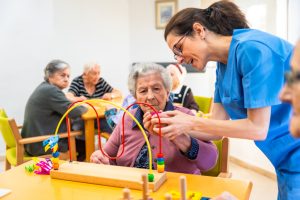
Working in a Chicago nursing home is more than just a job—it’s a daily commitment to compassion, precision, and emotional strength.
Staff members in the city’s long-term care facilities serve as the first line of support for elderly residents, managing both care and accountability in high-demand environments.
Their efforts are often the difference between comfort and crisis for some of the city’s most vulnerable populations.
The Many Hats Worn by Nursing Home Professionals in Chicago
In busy metro areas like Chicago, where patient loads are often high and facilities vary in quality, nursing home staff must adapt quickly.
They help residents with daily routines, administer medications, assist with mobility, and provide social support.
These professionals go beyond physical care, offering emotional reassurance and building trust with every interaction.
A single shift might include everything from handling urgent medical needs to helping a resident feel seen and heard.
Strong interpersonal skills and adaptability are just as important as clinical training.
The ability to multitask under pressure is not just helpful—it’s essential.
Navigating Difficult Situations and Protecting Residents
Sometimes, staff find themselves navigating ethical dilemmas when they suspect a resident is being mistreated.
Reporting such concerns can be difficult, especially when the abuser may be a colleague or when leadership fails to act quickly.
These moments require strength, discretion, and a deep sense of duty.
If you’re a nurse working in a Chicago-area facility and begin to witness signs of inappropriate behavior or harm toward residents, it’s essential to take action.
Staff play a crucial role in identifying and escalating issues.
In these situations, speaking with a Chicago nursing home abuse lawyer or a sexual abuse specialist may help you and the resident’s family take the right legal steps.
Legal support can provide the guidance needed to ensure accountability.
Emotional Strain of Elder Care and the Toll It Takes
The role is emotionally intense.
Many residents face dementia, terminal illness, or long-term isolation, and their needs can take a toll on staff.
Combined with long shifts, high workloads, and limited resources, the emotional strain adds up quickly.
Multiple studies highlight emotional stress among caregivers, especially those supporting high-need patients like those in nursing homes.
Burnout, depression, and even physical illness are common consequences when support systems are lacking.
In urban environments like Chicago, where facilities are often stretched thin, staff are particularly vulnerable to compassion fatigue.
Facilities must acknowledge the emotional burden staff carry.
Without mental health resources and sufficient downtime, caregivers may lose the resilience that helps them continue offering meaningful support.
Entry Points and Growth Paths for Nursing Home Staff in Chicago
For many in Chicago looking to enter the healthcare field, becoming a certified nursing assistant opens doors into elder care.
The city’s growing senior population ensures a steady demand for CNAs in hospitals, private care, and especially nursing homes.
CNAs often serve as the foundation of care teams, building long-term relationships with residents.
From this starting point, many pursue further certifications, nursing degrees, or move into care coordination roles.
Chicago offers access to educational programs and on-the-job training that can support upward mobility in this field.
The city’s healthcare infrastructure encourages growth for those who want to deepen their impact.
Building a Culture of Transparency and Internal Accountability
Accountability begins inside the facility.
Clear reporting channels, staff training, and ethical leadership help create a culture where safety is a shared priority.
When staff are encouraged to speak up, residents are better protected.
Chicago-area nursing homes that embrace internal accountability measures often see stronger teams and improved resident outcomes.
Staff are more willing to stay, and families feel more confident placing loved ones in their care.
Creating an open, non-punitive environment empowers everyone to act in the residents’ best interests.
Ongoing communication between departments, peer support, and ethical leadership are all critical in creating a transparent care environment.
Everyone in the facility must play a role in safety and ethics.
Supporting Staff Well-Being to Improve Resident Care
Some Chicago-based facilities are beginning to invest in staff wellness programs, recognizing that healthier teams lead to safer, more attentive care.
These initiatives promote communication, reduce burnout, and help staff feel more supported in emotionally demanding roles.
Facilities that prioritize wellness—whether through mental health services, emotional resilience training, or better scheduling—build stronger, more stable care environments.
This benefits not only the staff but also every resident who relies on them.
Even small shifts like improved break policies or peer-support programs can create meaningful change.
In a high-pressure environment like a nursing home, these measures matter.
Final Thoughts: Why Accountability and Compassion Must Work Together
Working in a nursing home requires a unique mix of heart, stamina, and responsibility.
In a city like Chicago, where the needs of the elderly population continue to grow, the role of staff becomes even more vital.
From recognizing signs of abuse to advocating for better systems internally, nursing home workers stand at the center of care and accountability every day.
Their role is more than just clinical—it’s human.
With proper support and a culture of transparency, these professionals can continue making a powerful difference in the lives of those who need them most.