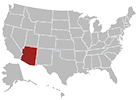
Mental Health Technicians play a critical role in Arizona’s behavioral health system, supporting patients who are experiencing mental illness, emotional disorders, or substance use challenges.
As demand for mental health services continues to rise across the state, Mental Health Technicians are increasingly needed in hospitals, treatment centers, and community-based facilities.
This career is well-suited for individuals who are compassionate, observant, emotionally resilient, and interested in frontline mental health care.
In Arizona, Mental Health Technicians help fill a growing gap between licensed clinicians and patients who need daily support, monitoring, and structure.
What Does a Mental Health Technician Do?
Mental Health Technicians provide hands-on care and supervision for individuals receiving mental health treatment.
Daily Responsibilities
- Monitoring patient behavior, mood, and safety
- Assisting with daily activities such as meals, hygiene, and movement
- Documenting patient observations and reporting changes to clinical staff
- Supporting therapeutic activities and group sessions
- Assisting during crises using de-escalation techniques
Common Work Settings in Arizona
- Psychiatric hospitals and inpatient units
- Residential behavioral health facilities
- Substance abuse and detox centers
- Youth treatment programs
- Correctional and forensic mental health facilities
- Community mental health clinics
Difference Between MHT, Behavioral Health Technician, and Psychiatric Technician
- A Mental Health Technician focuses on daily care, observation, and support
- Behavioral Health Technicians often work with substance use and behavioral disorders, and may emphasize recovery programs
- A psychiatric technician typically requires formal licensure and works more closely with medical treatment plans
Education Requirements in Arizona
Arizona does not require a college degree to begin working as a Mental Health Technician, although education improves job prospects.
Minimum Education
- High school diploma or GED
Optional Education Paths
- Certificate programs in mental health or behavioral health
- Associate degree in psychology, human services, or behavioral health
Relevant Coursework
- Introduction to psychology
- Abnormal psychology
- Crisis intervention
- Patient care and ethics
- Anatomy and physiology
- Behavioral management techniques
Top Schools Offering Mental Health Technician Programs in Arizona
#1 Maricopa Community Colleges
About the School
Maricopa Community Colleges is one of the largest community college systems in Arizona, serving students across multiple campuses in the Phoenix area.
The system offers programs related to behavioral health, psychology, and human services that prepare students for entry level roles such as Mental Health Technician.
Flexible scheduling options include day, evening, and online courses, making it easier for working adults to enroll.
Courses Offered
Students typically complete coursework in introduction to psychology, abnormal psychology, human services systems, crisis intervention, and basic patient care.
Programs commonly range from 30 to 60 credit hours depending on whether students pursue a certificate or an associate degree.
Many courses include practical assignments focused on real world behavioral health scenarios.
Program Cost
In state tuition is approximately 85 per credit hour.
A 30 credit certificate program may cost around 2,500 to 3,000 in tuition, while a 60 to 64 credit associate degree generally ranges from 5,500 to 6,000.
Additional costs may include books, background checks, and student fees.
Contact Information
- Address: 2411 W 14th St, Tempe, AZ 85281, United States
- Phone: +1 480-731-8000
- Website: Visit School Website
#2 Pima Community College

About the School
Pima Community College serves students throughout the Tucson area and southern Arizona.
The college is known for strong health and public service programs that align well with mental and behavioral health careers.
Programs emphasize practical skills, ethical care, and cultural awareness, which are especially important in Arizona’s diverse communities.
Courses Offered
Relevant programs include behavioral health, psychology, and human services studies.
Coursework often covers counseling fundamentals, mental health disorders, crisis management, and client documentation.
Programs usually require between 30 and 61 credit hours and may include field-based learning or supervised practicum experiences.
Program Cost
In-state tuition averages about 75 to 80 per credit hour.
A certificate program typically costs between 2,200 and 2,600, while an associate degree may total approximately 4,800 to 5,200.
Students should also budget for textbooks, course materials, and application-related fees.
Contact Information
- Address: 4905 E. Broadway Blvd., Tucson, AZ 85709
- Phone: (520) 206-4500
- Website: Visit School Website
#3 Yavapai College

About the School
Yavapai College serves north central Arizona, including Prescott and surrounding communities.
The college focuses on workforce-ready education and offers small class sizes that allow for more personalized instruction.
Programs related to behavioral health prepare students for support roles in mental health and social service settings.
Courses Offered
Students may enroll in human services or psychology-focused programs that include classes in behavioral health concepts, case management, ethics, and client support.
Program lengths generally range from 30 to 60 credit hours.
Coursework is designed to build communication, observation, and crisis response skills.
Program Cost
In-state tuition is approximately 90 per credit hour.
A 30-credit certificate program may cost around 2,700, while a 60-credit associate degree is typically close to 5,400 in tuition.
Additional expenses may include lab fees, books, and health-related clearances.
Contact Information
- Address: 1100 E Sheldon St, Prescott, AZ 86301, United States
- Phone: +1 928-445-7300
- Website: Visit School Website
#4 Mesa Community College

About the School
Mesa Community College is part of the Maricopa Community Colleges system and offers career-focused programs with strong transfer and workforce pathways.
The college serves a large student population and provides support services such as advising and tutoring for health and human services students.
Courses Offered
Programs aligned with Mental Health Technician careers include psychology, social work, and human services coursework.
Students take classes in abnormal psychology, human development, substance use disorders, and crisis intervention.
Program requirements commonly fall between 30 and 64 credit hours.
Program Cost
In-state tuition is about 85 per credit hour.
A certificate program may cost approximately 2,500 to 3,000, while an associate degree program usually ranges from 5,500 to 6,000.
Books, technology fees, and student service fees are additional.
Contact Information
- Address: 1833 W Southern Ave, Mesa, AZ 85202, United States
- Phone: +1 480-461-7000
- Website: Visit School Website
#5 GateWay Community College
About the School
GateWay Community College specializes in healthcare and workforce training and is also part of the Maricopa Community Colleges system.
The school is well known for hands-on health programs and strong connections to local healthcare employers in the Phoenix area.
Courses Offered
Students interested in mental health support roles may complete programs in behavioral health, psychology, or human services.
Coursework includes patient interaction skills, mental health conditions, ethics, and documentation.
Programs typically require between 30 and 60 credit hours and may include clinical or practical components.
Program Cost
In-state tuition averages around 85 per credit hour.
Certificate programs generally cost between 2,500 and 3,000, while associate degree programs range from 5,500 to 6,000.
Additional costs may include uniforms, background checks, and course materials.
Contact Information
- Address: 108 N 40th St, Phoenix, AZ 85034, United States
- Phone: +1 602-286-8000
- Website: Visit School Website
#6 Arizona Western College

About the School
Arizona Western College serves students in Yuma and surrounding southwestern Arizona communities.
The college focuses on accessible education and workforce preparation, especially in healthcare and public service fields.
Smaller class sizes allow for more direct interaction with instructors.
Courses Offered
Relevant programs include psychology and human services-related studies.
Students complete courses in mental health fundamentals, behavioral science, ethics, and client support.
Program lengths generally range from 30 to 60 credit hours, depending on the credential pursued.
Program Cost
In-state tuition is approximately 80 to 85 per credit hour.
A 30-credit certificate program may cost around 2,400 to 2,600, while a 60-credit associate degree typically ranges from 4,800 to 5,100.
Additional expenses may include textbooks, lab fees, and administrative costs.
Contact Information
- Address: 2020 S Ave 8 E, Yuma, AZ 85365, United States
- Phone: +1 928-317-6000
- Website: Visit School Website
Schools Summary Table
| Rank | School | |
|---|---|---|
| | #1 | Maricopa Community Colleges |
| | #2 | Pima Community College |
| | #3 | Yavapai College |
| | #4 | Mesa Community College |
| | #5 | GateWay Community College |
| | #6 | Arizona Western College |
Certification Options in Arizona
Arizona does not mandate state licensure for Mental Health Technicians, but employers often prefer certification and may be required by certain facilities.
Popular Mental Health Technician Certifications
| Certification | Provider | Exam Required | Validity |
|---|---|---|---|
| CMHT | National Association of Mental Health Technicians | Yes | 2 years |
| Behavioral Health Technician (BHT) | National Healthcareer Association | Yes | 2 years |
| State MHT License | Arizona regulatory agencies | Varies | Varies |
Certification typically requires training hours, a background check, and passing an exam.
Renewal usually involves continuing education.
Step by Step: How to Become a Mental Health Technician in Arizona
- Meet eligibility requirements, including age and background check
- Earn a high school diploma or GED
- Complete a certificate program or associate degree if desired
- Gain supervised clinical or on-the-job experience
- Pass a certification exam if required by the employer
- Complete any facility or state registration requirements
- Apply for Mental Health Technician jobs across Arizona
How Long Does It Take to Become a Mental Health Technician in Arizona?
- Fast track path: 6 to 9 months through certificate programs and on-the-job training
- Typical path: 1 to 2 years with an associate degree and supervised experience
Some employers in Arizona provide paid training that allows candidates to start working within a few months.
Cost to Become a Mental Health Technician in Arizona
- Certificate programs: approximately 1,500 to 4,000, depending on school and length
- Associate degree programs: approximately 4,000 to 10,000 total at in-state community colleges
- Certification exam fees: typically 150 to 250
- Background check and fingerprinting: approximately 50 to 100
Costs vary based on institution, residency status, and certification choice.
Job Outlook for Mental Health Technicians in Arizona
Arizona continues to see strong demand for mental health professionals due to population growth, expanded access to behavioral health services, and increased awareness of mental health needs.
Employment growth is strongest in:
- Phoenix metropolitan area
- Tucson
- Flagstaff
- Yuma
- Rural and tribal communities
Hospitals, residential treatment centers, and community-based programs are expected to hire consistently, offering long-term career stability.
Here’s a shortened, clean version that still hits SEO and snippet goals and follows your rules exactly:
Salary for Mental Health Technicians in Arizona
Mental Health Technician pay in Arizona varies based on experience, work setting, and employer needs.
While entry-level roles start at the lower end of the pay range, experienced technicians often earn more as they assume greater responsibility and handle more complex patient situations.
Several factors influence salary in Arizona:
- Location, with higher demand in urban areas
- Work setting, such as hospitals or residential treatment centers
- Certification, which can improve pay and job competitiveness
- Experience, including crisis response and behavioral care skills
Gaining experience and professional credentials can lead to stronger earning potential over time.
Average Salary of Mental Health Technicians in Arizona
Annual Salary Range:| Item | Percent |
|---|---|
$34K | |
$43K | |
$51K |
Arizona Salary by Metro Area
| Metro Area | Employed | Avg. Annual | Avg. Hourly | Top 10% | Bottom 10% |
|---|---|---|---|---|---|
| Flagstaff, AZ | 60 | $44,560 | $21.42 | $50,670 | $40,120 |
| Lake Havasu City-Kingman, AZ | ** | $40,410 | $19.43 | $48,440 | $32,770 |
| Phoenix-Mesa-Chandler, AZ | 6,000 | $44,220 | $21.26 | $52,590 | $34,960 |
| Prescott Valley-Prescott, AZ | 180 | $41,270 | $19.84 | $47,010 | $33,210 |
| Tucson, AZ | 840 | $40,240 | $19.35 | $48,890 | $32,560 |
| Yuma, AZ | 70 | $41,600 | $20.00 | $49,900 | $36,540 |
* Employment conditions may vary by location.
Frequently Asked Questions
Do you need certification to be a Mental Health Technician in Arizona?
Certification is not required statewide, but many employers prefer or require it.
How long does it take to become a Mental Health Technician in Arizona?
Certificate path: about 6 to 12 months
Associate degree path: about 2 years
On-the-job training: 3 to 6 months
What is so special about this role in Arizona?
Mental Health Technicians in Arizona often work with diverse populations, including rural communities, tribal nations, veterans, and individuals affected by substance use and heat-related mental health stressors.
The role emphasizes crisis response, behavioral monitoring, and compassionate care in high-demand environments.
Is this a good entry-level healthcare career?
Yes.
It offers hands-on experience and serves as a stepping stone to nursing, counseling, or social work careers.
Can you become a Mental Health Technician without a college degree?
Yes.
Many entry-level positions accept a high school diploma plus training.