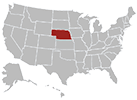
Mental health care plays a critical role in Nebraska’s healthcare system, especially in rural communities where access to services can be limited.
Mental Health Technicians, often called MHTs, are frontline professionals who provide direct support to individuals experiencing mental illness, behavioral challenges, or substance use disorders.
In Nebraska, the need for trained mental health support staff continues to grow as hospitals, residential treatment centers, and community clinics expand services.
Cities such as Omaha, Lincoln, and Grand Island have seen increasing demand for behavioral health professionals, while rural counties rely heavily on trained support staff to bridge care gaps.
If you are compassionate, dependable, and interested in working directly with patients, becoming a Mental Health Technician in Nebraska can be a rewarding and stable career path.
This guide walks you through everything you need to know.
What Does a Mental Health Technician Do?
Mental Health Technicians provide hands-on care and support under the supervision of nurses, therapists, and psychiatrists.
They work closely with patients in both short-term and long-term treatment settings.
Daily Responsibilities
Typical duties include:
- Monitoring patient behavior and emotional status
- Assisting with daily living activities such as hygiene and meals
- Observing and documenting changes in mood or behavior
- Leading or assisting in group activities
- Supporting patients during therapy sessions
- Maintaining a safe and structured environment
MHTs often serve as the eyes and ears of the clinical team.
Their documentation and observations play a major role in treatment decisions.
Common Work Settings in Nebraska
In Nebraska, Mental Health Technicians commonly work in:
- State psychiatric hospitals
- General hospitals with behavioral health units
- Residential treatment centers for youth
- Substance abuse treatment facilities
- Community mental health clinics
- Correctional facilities
Major employers may include regional healthcare systems, nonprofit treatment centers, and state-operated facilities.
Difference Between MHT, Behavioral Health Technician, and Psychiatric Technician
These titles are sometimes used interchangeably, but there can be subtle differences:
- A Mental Health Technician focuses primarily on direct patient care and monitoring.
- A Behavioral Health Technician may emphasize behavioral intervention strategies.
- A Psychiatric Technician may require more formal education and, in some states, licensure.
In Nebraska, most entry-level roles are titled Mental Health Technician or Behavioral Health Technician.
Education Requirements in Nebraska
Minimum Education
The minimum requirement to become a Mental Health Technician in Nebraska is typically:
- High school diploma or GED
Most employers also require:
- CPR certification
- Basic life support training
- Background check
- Drug screening
Optional Education Paths
While not always required, completing a certificate or associate degree program significantly improves job prospects.
Common options include:
- Certificate in Behavioral Health
- Associate of Applied Science in Human Services
- Associate degree in Psychology or Behavioral Science
Programs usually range from 18 to 60 credit hours, depending on the credential.
Relevant Coursework
Helpful coursework includes:
- Introduction to Psychology
- Abnormal Psychology
- Human Growth and Development
- Crisis Intervention
- Anatomy and Physiology
- Substance Abuse Counseling
- Ethics in Healthcare
Clinical hours are often embedded in associate degree programs.
Top Schools Offering Mental Health Technician Programs in Nebraska
#1 University of Nebraska at Omaha

The University of Nebraska at Omaha is a public research university located in Omaha and part of the University of Nebraska system.
It serves more than 15,000 students and is known for strong programs in psychology, social work, and public administration.
UNO offers both undergraduate and graduate degrees and provides access to internships in hospitals, nonprofits, and behavioral health centers across the Omaha metro area.
Courses Offered
Students interested in mental health careers typically pursue a Bachelor of Arts in Psychology or a Bachelor of Science in Psychology.
The degree requires approximately 120 credit hours.
Courses include General Psychology, Abnormal Psychology, Developmental Psychology, Behavioral Neuroscience, Research Methods, Statistics for Behavioral Sciences, and Counseling Theories.
Students may also complete supervised internships or field experiences during their junior or senior year.
Program Cost
In-state undergraduate tuition averages approximately 260 dollars per credit hour.
For 120 credit hours, the total tuition is roughly 31,200 dollars.
Additional costs include student fees of about 1,500 dollars per year and books averaging 1,000 dollars per year.
The total estimated cost for four years is approximately 38,000 to 42,000 dollars for Nebraska residents.
Contact Information
- Address: 6001 Dodge St, Omaha, NE 68182, United States
- Phone: +1 402-554-2800
- Website: Visit School Website
#2 Metropolitan Community College
Metropolitan Community College in Omaha serves more than 16,000 students annually and focuses on workforce-ready programs.
It is well known for affordable tuition and flexible scheduling, including evening and online classes.
Courses Offered
Students can pursue an Associate of Applied Science in Human Services, which requires approximately 90 credit hours.
Coursework includes Introduction to Human Services, Crisis Intervention, Counseling Skills, Group Dynamics, Case Management, Ethics in Human Services, and Substance Abuse Counseling.
The program often includes a practicum experience ranging from 100 to 150 supervised hours.
Program Cost
Tuition for Nebraska residents averages about 120 dollars per credit hour.
For 90 credit hours, tuition totals approximately 10,800 dollars.
Books and materials may cost 1,200 to 1,500 dollars across the program.
The total estimated cost is approximately 12,000 to 13,000 dollars.
Contact Information
- Address: 3200 Broadway Blvd, Kansas City, MO 64111, United States
- Phone: +1 816-604-1000
- Website: Visit School Website
#3 Southeast Community College
Southeast Community College has campuses in Lincoln, Beatrice, and Milford.
It serves thousands of students in technical and transfer programs.
The college emphasizes small class sizes and hands-on learning.
Courses Offered
Students can complete an Associate of Applied Science in Human Services, requiring approximately 60 to 75 credit hours depending on specialization.
Courses include Human Relations, Social Welfare Systems, Interviewing Techniques, Abnormal Psychology, and Community-Based Services.
Field experience may require 120 to 200 clinical hours in approved agencies.
Program Cost
In-state tuition averages about 118 dollars per credit hour.
For a 60-credit-hour program, tuition totals around 7,080 dollars.
For a 75-credit-hour pathway, tuition is about 8,850 dollars.
Books and supplies may total 1,000 to 1,400 dollars.
Overall estimated cost ranges from 8,000 to 10,500 dollars.
Contact Information
- Address: 8800 O St, Lincoln, NE 68520, United States
- Phone: +1 402-471-3333
- Website: Visit School Website
#4 Central Community College
Central Community College serves central Nebraska with campuses in Grand Island, Columbus, and Hastings.
It is known for strong workforce programs and affordable tuition.
Courses Offered
Students may pursue an Associate degree in Human Services or Behavioral Health-related pathways totaling approximately 64 credit hours.
Coursework includes Introduction to Counseling, Ethics and Professionalism, Psychology of Personality, Group Counseling, and Practicum experience of approximately 120 hours.
Program Cost
Tuition averages approximately 115 dollars per credit hour for residents.
For 64 credit hours, tuition equals about 7,360 dollars.
Books and additional supplies may add 1,200 dollars.
The total estimated cost is around 8,500 to 9,000 dollars.
Contact Information
- Address: 3134 US-34, Grand Island, NE 68801, United States
- Phone: +1 308-398-4222
- Website: Visit School Website
#5 Mid Plains Community College

Mid Plains Community College serves western Nebraska with campuses in North Platte and McCook.
The college focuses on career-oriented education and transfer programs.
Courses Offered
Students interested in mental health pathways can complete an Associate of Arts degree with a focus on Psychology.
This program requires approximately 60 credit hours.
Core courses include General Psychology, Human Growth and Development, Abnormal Psychology, Sociology, and elective counseling courses.
Students planning to transfer to a four-year institution often follow this path.
Program Cost
Resident tuition averages about 120 dollars per credit hour.
For 60 credit hours, tuition totals around 7,200 dollars.
Books and fees may add approximately 1,200 dollars.
The total estimated program cost is about 8,400 dollars.
Contact Information
- Address: 601 W State Farm Rd #140, North Platte, NE 69101, United States
- Phone: +1 308-535-3600
- Website: Visit School Website
#6 Northeast Community College
Located in Norfolk, Northeast Community College serves northeast Nebraska and emphasizes career preparation and affordability.
Courses Offered
Students can enroll in a Human Services Associate of Applied Science degree requiring about 60 to 65 credit hours.
Courses include Crisis Intervention, Multicultural Counseling, Interviewing Skills, Abnormal Psychology, and supervised field experience that may require 150 to 200 hours.
Program Cost
In-state tuition averages approximately 118 dollars per credit hour.
For 60 credit hours, tuition totals about 7,080 dollars.
Books and supplies may cost 1,000 to 1,300 dollars.
The total estimated cost is between 8,000 and 8,500 dollars.
Contact Information
- Address: 801 E Benjamin Ave, Norfolk, NE 68701, United States
- Phone: +1 402-371-2020
- Website: Visit School Website
#7 Western Nebraska Community College

Western Nebraska Community College is located in Scottsbluff and serves students across western Nebraska.
The college provides small class sizes and close faculty support.
Courses Offered
Students may complete an Associate of Arts degree in Psychology or Human Services, totaling approximately 60 credit hours.
Coursework includes Introduction to Psychology, Human Services Overview, Developmental Psychology, Sociology, and Ethics.
Some students complete internships or service learning placements in community agencies.
Program Cost
Tuition for residents averages around 120 dollars per credit hour.
For 60 credit hours, tuition totals approximately 7,200 dollars.
Books and materials may cost about 1,200 dollars.
The total estimated cost is roughly 8,400 to 8,800 dollars.
Contact Information
- Address: 1601 E 27th St, Scottsbluff, NE 69361, United States
- Phone: +1 308-635-3606
- Website: Visit School Website
#8 University of Nebraska at Kearney

The University of Nebraska at Kearney is a public university serving about 6,000 students.
It offers a supportive campus environment and strong programs in psychology and social services.
Courses Offered
Students typically pursue a Bachelor of Science in Psychology, requiring 120 credit hours.
Coursework includes Cognitive Psychology, Abnormal Psychology, Social Psychology, Behavioral Statistics, Research Design, and elective counseling courses.
Students may participate in internships or undergraduate research projects.
Program Cost
In-state tuition averages approximately 255 dollars per credit hour.
For 120 credit hours, tuition totals about 30,600 dollars.
Student fees may add 1,500 dollars per year, and books approximately 1,000 dollars per year.
The total estimated four-year cost is approximately 38,000 to 41,000 dollars for Nebraska residents.
Contact Information
- Address: 2504 9th Ave, Kearney, NE 68849, United States
- Phone: +1 308-865-8441
- Website: Visit School Website
Schools Summary Table
Certification Options in Nebraska
Nebraska does not require state licensure specifically for entry-level Mental Health Technicians.
However, national certification can strengthen your resume and improve advancement opportunities.
Nationally Recognized Certifications
Common certifications include:
- Certified Mental Health Technician
- Behavioral Health Technician Certification
- Certified Psychiatric Technician
Each certification has different eligibility requirements, exams, and renewal policies.
Exam and Renewal Requirements
Certification programs typically require:
- Proof of education or work experience
- Passing a competency exam
- Renewal every two years
- Continuing education credits
Popular Mental Health Technician Certifications
| Certification Name | Issuing Organization | Education Required | Renewal Cycle |
|---|---|---|---|
| Certified Mental Health Technician | National Career Certification Board | High school diploma plus training | Every 2 years |
| Behavioral Health Technician Certification | American Certification Council | High school diploma plus training | Every 2 years |
| Certified Psychiatric Technician | American Association of Psychiatric Technicians | Formal training program | Annual or biennial |
Step by Step: How to Become a Mental Health Technician in Nebraska
Step 1: Meet Eligibility Requirements
- Be at least 18 years old
- Hold a high school diploma or GED
- Pass a background check
- Obtain CPR certification
Step 2: Complete Required Education or Training
Enroll in a certificate or associate degree program in behavioral health, human services, or psychology if you want stronger job prospects.
Step 3: Gain Supervised Clinical Experience
Many employers in Nebraska provide on-the-job training.
Associate degree programs often include supervised practicum hours ranging from 100 to 300 hours.
Step 4: Pass Certification Exams if Desired
Although not mandatory in Nebraska, earning national certification can increase competitiveness.
Step 5: Apply for State Registration if Required by Employer
While Nebraska does not have a separate MHT license, certain facilities may require internal credentialing.
Step 6: Apply for Jobs in Nebraska
Target:
- Hospitals in Omaha and Lincoln
- Residential treatment centers in Grand Island
- Rural behavioral health clinics
- State-operated facilities
How Long Does It Take to Become a Mental Health Technician in Nebraska?
Fast Track Option
A short-term certificate program combined with employer-provided training can take about 6 months.
Typical Path
An associate degree combined with supervised experience usually takes 1 to 2 years.
Your timeline depends on whether you attend full-time or part-time.
Cost to Become a Mental Health Technician in Nebraska
Costs vary by institution and credential type.
Certificate Programs
Community college certificate programs typically range from 18 to 30 credit hours.
Estimated tuition:
- 18 credit hours at approximately 120 dollars per credit equals about 2,160 dollars
- 30 credit hours at approximately 120 dollars per credit equals about 3,600 dollars
Additional expenses may include:
- Books: 500 to 900 dollars
- CPR certification: 50 to 100 dollars
- Background check: 40 to 75 dollars
- Total estimated cost range: $ 2,750 to $ 4,700.
Associate Degree Programs
Associate degrees usually require 60 credit hours.
At 120 dollars per credit hour:
60 credits equals about 7,200 dollars in tuition
Books and supplies:
1,000 to 1,500 dollars over two years
Total estimated cost range: $ 8,200 to $ 9,000.
Costs may vary depending on residency status and campus fees.
Job Outlook for Mental Health Technicians in Nebraska
Nebraska continues to expand behavioral health services, particularly in community-based care and substance use treatment.
Growth is expected in:
- Regional hospitals
- Youth residential treatment centers
- Community mental health agencies
- Telehealth-supported programs
Urban areas such as Omaha and Lincoln typically offer the highest number of openings, while rural areas may offer strong job stability due to workforce shortages.
The long term outlook remains positive as mental health awareness increases and healthcare systems prioritize behavioral support services.
Salary for Mental Health Technicians in Nebraska
Entry-level Mental Health Technicians in Nebraska generally earn lower starting wages compared to experienced professionals.
With additional certifications, years of experience, and work in specialized facilities, earnings typically increase.
Factors that influence pay include:
- Geographic location within Nebraska
- Type of facility, such as a hospital versus a residential center
- Shift differentials for nights or weekends
- Level of education
- National certification status
Supervisory roles or advanced credentials may lead to higher compensation over time.
Average Salary of Mental Health Technicians in Nebraska
Annual Salary Range:| Item | Percent |
|---|---|
$36K | |
$48K | |
$59K |
Nebraska Salary by Metro Area
| Metro Area | Employed | Avg. Annual | Avg. Hourly | Top 10% | Bottom 10% |
|---|---|---|---|---|---|
| Lincoln, NE | 300 | $56,300 | $27.07 | $59,490 | $46,890 |
| Omaha, NE-IA | 350 | $45,950 | $22.09 | $57,170 | $34,530 |
* Employment conditions may vary by location.
Frequently Asked Questions
Do I need a college degree to become a Mental Health Technician in Nebraska?
No.
Many employers accept candidates with a high school diploma and provide on-the-job training.
However, earning a certificate or an associate degree can improve your job prospects and advancement opportunities.
Is certification required in Nebraska?
Nebraska does not require a specific state license for entry-level Mental Health Technicians.
National certification is optional, but it can strengthen your resume.
What skills are most important for success?
Strong communication skills, emotional stability, patience, attention to detail, and the ability to remain calm during crises are essential.
Can this career lead to other opportunities?
Absolutely.
Many Mental Health Technicians go on to become licensed counselors, social workers, registered nurses, or substance abuse specialists after further education.
Can I work while completing my education?
Yes.
Many students work part time in entry level behavioral health roles while completing certificate or associate programs.