Mental health care is no longer a side conversation in healthcare.
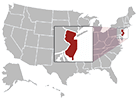
In New Jersey, it is front and center.
From large hospital systems in Newark and Jersey City to community clinics in Camden and Trenton, the need for trained support staff continues to grow.
That is where Mental Health Technicians, often called MHTs, play an essential role.
A Mental Health Technician provides direct support to individuals facing mental health challenges, substance use disorders, and behavioral conditions.
In a state as densely populated and diverse as New Jersey, demand for compassionate, well-trained professionals is steady.
If you are looking for a meaningful healthcare career that does not require many years of schooling, becoming a Mental Health Technician in New Jersey can be a practical and rewarding path.
This guide walks you through education, certification, costs, job outlook, and step-by-step instructions so you can confidently move forward.
What Does a Mental Health Technician Do?
Mental Health Technicians work on the front lines of behavioral healthcare.
They spend more time with patients than many other professionals in a facility, which makes their role critical.
Daily Responsibilities
A typical day may include:
- Monitoring patients for safety and behavioral changes
- Assisting with daily living activities such as hygiene and meals
- Supporting therapeutic activities and group sessions
- Taking vital signs and documenting patient behavior
- Reporting concerns to nurses, social workers, or psychiatrists
- Helping de escalate crises
Documentation is especially important.
MHTs record observations that help the treatment team adjust care plans and medications.
Common Work Settings in New Jersey
In New Jersey, Mental Health Technicians commonly work in:
- State psychiatric hospitals
- Private behavioral health hospitals
- Residential treatment centers
- Substance abuse recovery facilities
- Community mental health agencies
- Veterans facilities
- Correctional healthcare units
Major employment hubs include Essex County, Hudson County, Bergen County, Camden County, and Middlesex County due to their hospital density.
MHT vs Behavioral Health Technician vs Psychiatric Technician
These titles are often used interchangeably, but there are subtle differences:
- Mental Health Technicians typically focus on patient monitoring and support within psychiatric facilities.
- A Behavioral Health Technician may work more heavily with children, autism services, or applied behavior analysis.
- In some states, a psychiatric technician is a licensed role with more clinical authority, but New Jersey does not have a distinct statewide psychiatric technician license category.
Employers in New Jersey may use different titles for similar duties, so always review job descriptions carefully.
Education Requirements in New Jersey
Minimum Education
At a minimum, you need:
- A high school diploma or GED
Many employers will hire entry-level candidates with a diploma and provide on-the-job training, especially in residential facilities.
Optional Education
Although not always required, completing a certificate or associate degree significantly improves your job prospects and long-term advancement opportunities.
You may consider:
- Certificate in Behavioral Health or Mental Health Technology
- Associate of Science in Human Services
- Associate degree in Psychology or Behavioral Science
These programs typically range from 30 to 60 credit hours.
Relevant Coursework
Helpful coursework includes:
- Introduction to Psychology
- Abnormal Psychology
- Human Growth and Development
- Anatomy and Physiology
- Crisis Intervention
- Substance Abuse Counseling
- Patient Care Techniques
Hands-on clinical hours are highly valued by employers.
Top Schools Offering Mental Health Technician Programs in New Jersey
#1 Bergen Community College
Bergen Community College is located in Paramus and serves more than 13,000 students each year across multiple campuses, including Hackensack and Lyndhurst.
It is one of the largest community colleges in New Jersey.
The school offers strong health professions and human services pathways, making it a practical choice for students interested in behavioral health careers.
Small class sizes and flexible scheduling, including evening and online courses, make it accessible for working adults.
Courses Offered
Bergen Community College offers an Associate of Science in Human Services degree that requires approximately 60 credit hours.
The program typically takes 2 years of full-time study.
Coursework includes Introduction to Human Services, General Psychology, Abnormal Psychology, Human Growth and Development, Substance Abuse Counseling, Group Dynamics, and Crisis Intervention.
Students complete a supervised fieldwork practicum that may range from 100 to 150 hours in a community agency or behavioral health setting.
Program Cost
In the county, tuition is approximately 160 per credit.
For 60 credits, tuition totals around 9,600.
Out-of-county tuition is higher at roughly 320 per credit.
Students should also budget 1,500 to 2,000 for textbooks, lab fees, and general college fees.
Financial aid and payment plans are available for qualifying students.
Contact Information
- Address: 400 Paramus Rd, Paramus, NJ 07652, United States
- Phone: +1 201-447-7100
- Website: Visit School Website
#2 Middlesex College
Middlesex College, located in Edison, enrolls about 11,000 students annually.
The college is known for workforce-aligned programs and strong transfer pathways to four-year universities in New Jersey.
Its central location makes it convenient for students in Middlesex, Union, and Somerset counties.
Courses Offered
The college offers an Associate degree in Human Services requiring about 60 credits.
The program can be completed in 2 years full-time or 3 years part-time.
Courses include Introduction to Psychology, Social Problems, Counseling Theories, Case Management, Ethics in Human Services, and Field Placement I and II.
Fieldwork typically includes 200 to 240 supervised hours in approved community agencies.
Program Cost
In the county, tuition is about 150 per credit.
For 60 credits, the estimated tuition is 9,000.
College fees, student service fees, and books may add another 1,500 to 2,500.
Out-of-county tuition is approximately 300 per credit.
Contact Information
- Address: 2600 Woodbridge Ave, Edison, NJ 08837, United States
- Phone: +1 732-548-6000
- Website: Visit School Website
#3 Camden County College
Camden County College has campuses in Blackwood, Camden, and Cherry Hill.
The college serves around 9,000 students and offers career-focused associate degrees designed for immediate employment or transfer.
Its proximity to major healthcare facilities in southern New Jersey provides strong internship opportunities.
Courses Offered
Camden County College offers an Associate in Applied Science in Human Services with roughly 60 to 63 credit hours required.
Students take courses such as Abnormal Psychology, Interviewing Techniques, Crisis Intervention Strategies, Community Mental Health, and Addictions Counseling.
The program includes supervised practicum experiences that may total 150 to 240 hours.
Program Cost
In the county, tuition averages 150 per credit.
For 60 credits, tuition is about 9,000.
Additional fees and books can cost between 1,500 and 2,000.
Students living outside Camden County may pay close to 290 per credit.
Contact Information
- Address: 200 College Dr, Blackwood, NJ 08012, United States
- Phone: +1 856-227-7200
- Website: Visit School Website
#4 Essex County College

Located in Newark, Essex County College serves more than 7,000 students.
Its urban location provides access to large hospital systems and behavioral health facilities.
The college focuses heavily on community engagement and workforce readiness.
Courses Offered
Essex County College offers an Associate of Science in Human and Social Services requiring about 60 credits.
Core courses include Introduction to Human Services, Abnormal Psychology, Cultural Diversity, Group Counseling, Case Management, and a Field Internship.
The internship may include approximately 120 to 200 supervised hours.
Program Cost
In the county, tuition is about 155 per credit.
For 60 credits, tuition totals roughly 9,300.
Books, registration fees, and other expenses may add another 1,500 to 2,000.
Out-of-county tuition is typically near 300 per credit.
Contact Information
- Address: 303 University Ave, Newark, NJ 07102, United States
- Phone: : +1 973-877-4477
- Website: Visit School Website
#5 Ocean County College
Ocean County College, located in Toms River, enrolls around 8,000 students.
It offers both in-person and online course options, making it flexible for adult learners.
The college has partnerships with local healthcare providers throughout Ocean County.
Courses Offered
The Associate of Science in Human Services requires about 60 credits and typically takes 2 years full-time.
Coursework includes General Psychology, Human Development Across the Lifespan, Substance Abuse Counseling, Ethics in Helping Professions, and Fieldwork in Human Services.
Field experience requirements may total 120 to 200 hours, depending on placement.
Program Cost
In the county, tuition is approximately 155 per credit.
For 60 credits, tuition is around 9,300.
Books and fees usually range from 1,500 to 2,000.
Out-of-county tuition can reach approximately 280 per credit.
Contact Information
- Address: 1 College Dr, Toms River, NJ 08754, United States
- Phone: +1 732-255-0400
- Website: Visit School Website
#6 Rowan College of South Jersey

Rowan College of South Jersey operates campuses in Sewell and Vineland.
The college serves approximately 13,000 students across its programs.
It offers strong healthcare and human services pathways with modern facilities and career support services.
Courses Offered
The Associate in Applied Science in Human Services requires around 60 credits.
Courses include Introduction to Counseling, Family Dynamics, Crisis Intervention, Abnormal Psychology, and Field Experience I and II.
Students typically complete 200 or more supervised practicum hours in behavioral health or social service settings.
Program Cost
In the county, tuition averages 150 per credit.
For a 60-credit program, tuition totals about 9,000.
Students should budget 1,500 to 2,500 for books, lab fees, and student services fees.
Out-of-county tuition may exceed 280 per credit.
Contact Information
- Address: 1400 Tanyard Rd, Sewell, NJ 08080, United States
- Phone: +1 856-468-5000
- Website: Visit School Website
#7 Brookdale Community College
Brookdale Community College, located in Lincroft, serves roughly 10,000 students.
It offers strong health sciences programs and has partnerships with Monmouth County healthcare providers.
The campus includes modern classrooms and student support services.
Courses Offered
Brookdale offers an Associate’s degree in Human Services requiring about 60 credits.
Students take courses such as Introduction to Human Services, Social Welfare Policy, Counseling Skills, Group Processes, and Internship in Human Services.
Internship requirements often total 180 to 240 hours of supervised experience.
Program Cost
In the county, tuition is approximately 160 per credit.
For 60 credits, tuition is around 9,600.
Books, fees, and supplies may add another 1,500 to 2,000.
Out-of-county tuition is typically close to 300 per credit.
Contact Information
- Address: 765 Newman Springs Rd, Lincroft, NJ 07738, United States
- Phone: +1 732-224-2345
- Website: Visit School Website
#8 Passaic County Community College
Passaic County Community College is located in Paterson and enrolls about 8,000 students.
The college emphasizes career preparation and transfer readiness.
Its location provides access to northern New Jersey healthcare systems.
Courses Offered
The Associate of Science in Human Services requires approximately 60 credits.
Coursework includes Introduction to Psychology, Human Behavior and the Social Environment, Case Management, Crisis Intervention, and Practicum in Human Services.
Practicum hours often range from 120 to 200 supervised hours in approved agencies.
Program Cost
In the county, tuition is about 155 per credit.
For 60 credits, tuition totals roughly 9,300.
Books and additional fees may cost between 1,500 and 2,000.
Out-of-county tuition is generally near 290 per credit.
Contact Information
- Address: 1 College Blvd, Paterson, NJ 07505, United States
- Phone: +1 973-684-6800
- Website: Visit School Website
Schools Summary Table
Certification Options in New Jersey
New Jersey does not require a state-specific license to work as a Mental Health Technician.
However, certification improves employability and credibility.
Nationally Recognized Certifications
Common certifications include:
- Certified Mental Health Technician
- Certified Behavioral Health Technician
- Mental Health Technician Certification from national allied health organizations
These certifications typically require:
- High school diploma or higher
- Completion of an approved training program
- Passing a competency exam
- Continuing education for renewal every 1 to 2 years
Popular Mental Health Technician Certifications in New Jersey
| Certification Name | Issuing Organization | Eligibility Requirements | Renewal Requirement |
|---|---|---|---|
| Certified Mental Health Technician | National certification body | Diploma plus training | Continuing education credits |
| Certified Behavioral Health Technician | National Allied Health Association | Training program completion | Renewal every 2 years |
| Mental Health Technician Certification | Healthcare credentialing agency | Exam plus education | Ongoing CE hours |
Always verify with employers which certifications they prefer.
Step by Step: How to Become a Mental Health Technician in New Jersey
Step 1: Meet Eligibility Requirements
- Be at least 18 years old
- Hold a high school diploma or GED
- Pass a criminal background check
- Complete CPR certification if required
Step 2: Complete Required Education or Training
Enroll in a certificate or associate degree program. Programs may take 6 months to 2 years, depending on the path.
Step 3: Gain Supervised Clinical Experience
Many programs include 100 to 300 clinical hours in hospitals or community facilities.
If your program does not, seek entry-level roles to build experience.
Step 4: Pass Certification Exams
If pursuing national certification, prepare for and pass the required exam.
Step 5: Apply for State Requirements
While New Jersey does not require a specific MHT license, some employers require internal credentialing.
Step 6: Apply for Jobs in New Jersey
Focus on major hospital systems, residential facilities, and behavioral health networks throughout the state.
How Long Does It Take to Become a Mental Health Technician in New Jersey?
Fast Track Option
A short-term certificate program combined with clinical training can take about 6 months.
Typical Path
An associate degree combined with clinical experience usually takes 1 to 2 years.
Your timeline depends on whether you attend school full-time or part-time.
Cost to Become a Mental Health Technician in New Jersey
Costs vary depending on the educational route:
Certificate Program
- 30 to 36 credits
- 150 to 180 per credit at community colleges
- Estimated tuition: 4,500 to 6,500
- Books and fees: 800 to 1,200
- Total estimated cost: 5,300 to 7,700
Associate Degree Program
- 60 credits
- 150 to 180 per credit
- Tuition: 9,000 to 11,000
- Books and fees: 1,500 to 2,000
- Total estimated cost: 10,500 to 13,000
Certification Exam Fees
- Application and exam: 150 to 300
- Renewal fees every 1 to 2 years
Financial aid, grants, and employer tuition assistance may reduce out-of-pocket expenses.
Job Outlook for Mental Health Technicians in New Jersey
Demand for behavioral health professionals in New Jersey continues to rise due to:
- Increased awareness of mental health
- Expanded insurance coverage for behavioral care
- Growth in substance use treatment programs
- An aging population needing psychiatric support
Hospitals in northern New Jersey and community health centers in central and southern regions are consistently hiring.
Residential facilities and outpatient programs are expanding in urban and suburban areas alike.
Long-term career stability is strong because mental health services are considered essential healthcare services.
Salary for Mental Health Technicians in New Jersey
Entry-level Mental Health Technicians typically earn less than experienced professionals, especially those working in state hospitals or specialized units.
Factors influencing pay include:
- Geographic location within New Jersey
- Hospital versus residential facility setting
- Shift differentials for evenings or nights
- Level of education
- Certification status
- Years of experience
Advanced education and certifications often open doors to supervisory roles.
Average Salary of Mental Health Technicians in New Jersey
Annual Salary Range:| Item | Percent |
|---|---|
$43K | |
$58K | |
$67K |
New Jersey Salary by Metro Area
| Metro Area | Employed | Avg. Annual | Avg. Hourly | Top 10% | Bottom 10% |
|---|---|---|---|---|---|
| Atlantic City-Hammonton, NJ | 50 | $53,480 | $25.71 | $77,520 | $36,340 |
* Employment conditions may vary by location.
Frequently Asked Questions
Do I need a license to work as a Mental Health Technician in New Jersey?
No, New Jersey does not require a specific state license for Mental Health Technicians.
Employers may require training, background checks, and certifications.
Can I become a Mental Health Technician without college?
Yes.
Some employers hire candidates with only a high school diploma.
However, completing a certificate or associate degree improves job opportunities and career growth.
Can I use this job as a stepping stone to other healthcare careers?
Absolutely.
Many Mental Health Technicians later pursue careers as nurses, social workers, counselors, or psychologists.
The experience provides strong clinical exposure.
What personality traits are important for success?
Patience, emotional resilience, strong communication skills, empathy, and the ability to stay calm during stressful situations are essential qualities for long-term success.
Is certification required in New Jersey?
Certification is not legally required statewide, but many employers prefer certified candidates because it demonstrates competency and professionalism.