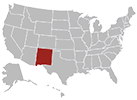
Mental health care is one of the fastest-evolving areas of healthcare in the United States, and New Mexico is no exception.
With growing awareness of behavioral health needs, expanded community services, and ongoing efforts to improve access to care in both urban and rural areas, the demand for trained professionals is rising.
If you are compassionate, calm under pressure, and interested in supporting individuals facing mental health challenges, becoming a Mental Health Technician in New Mexico can be a meaningful and stable career path.
This role allows you to work directly with patients in hospitals, treatment centers, and community programs, playing a hands-on role in recovery and support.
In a state where access to behavioral healthcare is a priority, Mental Health Technicians are essential members of the care team.
What Does a Mental Health Technician Do?
Mental Health Technicians, often called MHTs, work under the supervision of nurses, psychiatrists, psychologists, and licensed therapists.
Daily Responsibilities
Typical responsibilities include:
- Monitoring patients for safety and behavioral changes
- Assisting with daily living activities
- Supporting therapeutic activities and group sessions
- Documenting patient behavior and progress
- Helping maintain a structured, safe treatment environment
- Responding to crises and de-escalating tense situations
MHTs are often the professionals who spend the most time directly interacting with patients, making their role critical in treatment plans.
Common Work Settings in New Mexico
In New Mexico, MHTs commonly work in:
- State psychiatric hospitals
- Community mental health centers
- Residential treatment facilities
- Substance abuse recovery programs
- Correctional facilities
- Private behavioral health clinics
Large healthcare systems and regional hospitals in cities such as Albuquerque, Santa Fe, Las Cruces, and Farmington frequently hire behavioral health support staff.
MHT vs Behavioral Health Technician vs Psychiatric Technician
While these titles are sometimes used interchangeably, there are differences:
- Mental Health Technician: Focuses on patient monitoring, safety, and support in mental health settings.
- Behavioral Health Technician: Similar duties but may work more broadly with behavioral disorders, including developmental disabilities.
- Psychiatric Technician: In some states, this is a licensed role requiring formal training and state credentials.
In New Mexico, specific licensing requirements depend on employer policies and job scope.
Education Requirements in New Mexico
Minimum Education
The minimum requirement to become a Mental Health Technician in New Mexico is typically:
- High school diploma or GED
Many employers provide on-the-job training for entry-level candidates.
Optional Education
While not always required, completing a certificate or associate degree can improve job prospects.
Relevant programs may include:
- Behavioral Health Technology
- Psychiatric Technology
- Human Services
- Psychology
- Social Work foundations
Relevant Coursework
Helpful subjects include:
- Introduction to Psychology
- Human Development
- Anatomy and Physiology
- Crisis Intervention
- Patient Care Techniques
- Substance Abuse Counseling basics
Formal education often makes candidates more competitive, especially in hospital environments.
Top Schools Offering Mental Health Technician Programs in New Mexico
#1 Central New Mexico Community College

Central New Mexico Community College, commonly known as CNM, is one of the largest community colleges in the state.
It serves tens of thousands of students each year across multiple campuses in Albuquerque and the surrounding areas.
CNM is known for its affordable tuition, strong workforce training focus, and flexible scheduling options, including day, evening, weekend, and online classes.
The college works closely with local healthcare employers, helping students connect with job opportunities at hospitals and community mental health centers throughout the region.
Courses Offered
CNM offers programs in Human Services and related behavioral health fields that align well with Mental Health Technician roles.
The Associate of Applied Science in Human Services typically requires around 60 to 64 credit hours and can be completed in about 2 years if attending full-time.
A certificate option is also available and generally requires 30 to 36 credit hours, which can often be completed in about 1 year.
Common courses include Introduction to Human Services, Counseling Techniques, Abnormal Psychology, Crisis Intervention, Substance Abuse Counseling, Case Management, and Ethics in Helping Professions.
Many programs include a practicum or internship component, often ranging from 120 to 180 supervised hours, giving students real-world experience in treatment facilities or community agencies.
Program Cost
In-state tuition at CNM is typically calculated per credit hour.
For New Mexico residents, tuition is often around 60 to 70 dollars per credit hour, while out-of-state tuition can exceed 200 dollars per credit hour.
For a 60-credit associate degree, in-state tuition may total approximately 3,600 to 4,200 dollars, not including fees.
Additional costs may include student fees of several hundred dollars per semester, textbooks that can range from 800 to 1,200 dollars for the full program, and background check or fingerprinting costs for clinical placements that may add 50 to 100 dollars.
Contact Information
- Address: 716 University Blvd SE, Albuquerque, NM 87106, United States
- Phone: +1 505-224-3000
- Website: Visit School Website
#2 Santa Fe Community College
Santa Fe Community College, or SFCC, is located in Santa Fe and serves students across northern New Mexico.
It has a smaller campus feel compared to larger institutions, which many students appreciate for the personalized attention and smaller class sizes.
SFCC emphasizes hands-on training and practical workforce preparation, particularly in healthcare and human services fields.
Courses Offered
SFCC offers programs in Human Services and related areas that prepare students for entry-level behavioral health positions.
The Associate of Applied Science in Human Services usually requires about 60 to 65 credit hours and can be completed in approximately 2 years.
Certificate programs are generally 30 to 32 credit hours and can be completed in 1 year or less if taken full-time.
Coursework typically includes Introduction to Psychology, Developmental Psychology, Interviewing and Counseling Skills, Substance Abuse Treatment, Community Mental Health, and Group Facilitation.
Students are often required to complete a practicum that may involve 150 or more supervised field hours in a behavioral health setting.
Program Cost
In-state tuition at SFCC is typically around 50 to 70 dollars per credit hour for New Mexico residents.
A 60-credit degree program may cost roughly 3,000 to 4,200 dollars in tuition alone.
Out-of-state tuition is significantly higher and may exceed 200 dollars per credit hour.
Books and materials for the full associate program may cost between 1,000 and 1,500 dollars.
Additional fees, such as registration, technology, and lab fees, can add several hundred dollars per academic year.
Contact Information
- Address: 6401 Richards Ave, Santa Fe, NM 87508, United States
- Phone: +1 505-428-1000
- Website: Visit School Website
#3 Eastern New Mexico University

Eastern New Mexico University, located in Portales, is a public university offering both undergraduate and graduate degrees.
ENMU has a reputation for affordable tuition and strong support for first-generation college students.
It offers both on-campus and online learning options, making it accessible to students in rural areas.
Courses Offered
Students interested in becoming Mental Health Technicians often pursue an Associate degree or a Bachelor of Science in Psychology or Social Work at ENMU.
An associate’s degree typically requires about 60 credit hours and takes 2 years to complete.
A bachelor’s degree requires approximately 120 credit hours and takes about 4 years.
Courses may include General Psychology, Abnormal Psychology, Human Growth and Development, Counseling Theories, Behavioral Statistics, and Ethics in Human Services.
Students pursuing bachelor’s level programs may complete internships or field placements ranging from 200 to 400 hours, depending on the program requirements.
Program Cost
For New Mexico residents, tuition at ENMU is often approximately 170 to 200 dollars per credit hour for undergraduate courses.
A 60-credit associate program could total around 10,000 to 12,000 dollars in tuition.
A 120-credit bachelor’s program could range from 20,000 to 24,000 dollars in tuition, depending on course load and residency status.
Books and supplies for a full academic year may cost 1,000 to 1,500 dollars.
Students should also plan for fees, housing if living on campus, and transportation costs.
Contact Information
- Address: 1500 S Avenue K, Portales, NM 88130, United States
- Phone: +1 800-367-3668
- Website: Visit School Website
#4 Western New Mexico University
Western New Mexico University, located in Silver City, is a public university serving southwestern New Mexico.
It has a long history of preparing students for careers in education, social work, and community services.
Class sizes tend to be smaller, allowing for closer interaction with instructors and more personalized guidance.
Courses Offered
WNMU offers associate and bachelor’s programs relevant to behavioral health and social services.
The associate degree typically requires around 60 credit hours and can be completed in 2 years.
The bachelor’s degree requires approximately 120 credit hours and usually takes 4 years.
Students may take courses such as Introduction to Social Work, Community Mental Health, Substance Abuse Counseling, Human Behavior in the Social Environment, and Case Management.
Internship components often require between 200 and 400 hours of supervised fieldwork in approved community agencies or healthcare settings.
Program Cost
In-state tuition at WNMU is generally around 150 to 170 dollars per credit hour for undergraduate programs.
A 60-credit associate degree may total approximately 9,000 to 10,200 dollars in tuition.
A 120-credit bachelor’s degree may range from 18,000 to 20,400 dollars in tuition.
Books and course materials may cost 1,000 to 1,500 dollars per year.
Students should also consider registration fees and any costs associated with clinical placements.
Contact Information
- Address: 1000 W College Ave, Silver City, NM 88061, United States
- Phone: +1 800-872-9668
- Website: Visit School Website
#5 Doña Ana Community College

Doña Ana Community College, often referred to as DACC, is part of the New Mexico State University system and is located in Las Cruces.
DACC focuses heavily on career and technical education, making it a practical option for students seeking quick entry into the workforce.
The college offers flexible scheduling and affordable tuition for residents.
Courses Offered
DACC offers certificate and associate degree programs in fields related to Human Services and behavioral health.
Certificate programs often require around 30 to 35 credit hours and can be completed in about 9 to 12 months.
Associate degrees typically require about 60 credit hours and take 2 years to complete.
Coursework may include Introduction to Human Services, Crisis Intervention, Addictions Counseling, Case Documentation, and Community Resources.
Practicum experiences may involve 100 to 150 hours of supervised fieldwork in local agencies or treatment facilities.
Program Cost
In-state tuition at DACC is often approximately 60 to 70 dollars per credit hour.
A 60-credit associate degree may cost around 3,600 to 4,200 dollars in tuition.
Certificate programs of 30 credits may cost about 1,800 to 2,100 dollars in tuition.
Books and supplies for the full program may range from 800 to 1,200 dollars. Students may also need to budget for background checks, immunizations, and CPR certification, which can add 100 to 300 dollars, depending on requirements.
Each of these schools offers a solid pathway into the behavioral health field, with varying levels of cost, flexibility, and program depth to match different career goals.
Contact Information
- Address: 2800 Sonoma Ranch Blvd, Las Cruces, NM 88011, United States
- Phone: +1 575-527-7500
- Website: Visit School Website
Schools Summary Table
| Rank | School | |
|---|---|---|
| | #1 | Central New Mexico Community College |
| | #2 | Santa Fe Community College |
| | #3 | Eastern New Mexico University |
| | #4 | Western New Mexico University |
| | #5 | Doña Ana Community College |
Certification Options in New Mexico
New Mexico does not universally require state licensure for Mental Health Technicians.
However, certification can improve employability and advancement potential.
Nationally Recognized Certifications
Common certifications include:
- Certified Mental Health Technician (CMHT)
- Behavioral Health Technician (BHT) certification
- Certified Psychiatric Technician Assistant (where applicable)
Employers may prefer candidates with CPR and First Aid certification.
Exam and Renewal Requirements
Certification programs typically require:
- Completion of approved training
- Passing a competency exam
- Periodic renewal with continuing education
Always confirm with the certifying organization for current requirements.
Popular Mental Health Technician Certifications in New Mexico
| Certification | Issuing Organization | Exam Required | Renewal Required | Common Employer Preference |
|---|---|---|---|---|
| Certified Mental Health Technician (CMHT) | National credentialing organizations | Yes | Yes | Hospitals, clinics |
| Behavioral Health Technician (BHT) | National or employer-sponsored programs | Yes | Yes | Residential facilities |
| CPR and First Aid Certification | American Red Cross or equivalent | Yes | Yes | Required by most employers |
Step by Step: How to Become a Mental Health Technician in New Mexico
1. Meet Eligibility Requirements
- Be at least 18 years old
- Hold a high school diploma or GED
- Pass a background check
- Complete drug screening if required
2. Complete Required Education or Training
- Finish a certificate or associate degree program if desired
- Or complete employer-provided training
3. Gain Supervised Clinical Experience
- Participate in internships if enrolled in a program
- Complete supervised on-the-job training
4. Pass Certification Exams if Applicable
- Apply for national certification if required or preferred
5. Apply for State Registration or Employer Credentialing
- New Mexico does not mandate a universal state license for MHTs, but employers may require documentation of training and certifications.
6. Apply for Jobs in New Mexico
Search for openings in:
- Hospitals
- Community mental health centers
- Residential care facilities
- State-operated treatment programs
- Networking through internships often leads to job offers.
How Long Does It Take to Become a Mental Health Technician in New Mexico?
Fast Track Path
- Approximately 6 months
- Short certificate program
- CPR certification
- Entry-level hiring with on-the-job training
Typical Path
- 1 to 2 years
- Associate degree in behavioral health or human services
- Internship or clinical experience
Optional certification
The timeline depends on whether you pursue formal education beyond high school.
Cost to Become a Mental Health Technician in New Mexico
Costs vary based on your chosen educational route.
Certificate Programs
Tuition ranges from approximately $1,500 to $6,000
Books and supplies may cost $500 to $1,000
CPR and certification exams may add $100 to $400
Estimated total: $2,000 to $7,500
Associate Degree Programs
Tuition typically ranges from $4,000 to $12,000, depending on residency status
Books and materials may cost $1,000 to $2,000
Additional certification costs may apply
Estimated total: $5,000 to $15,000
Financial aid and workforce development grants are often available in New Mexico.
Job Outlook for Mental Health Technicians in New Mexico
New Mexico has an ongoing need for behavioral health services, particularly in rural and underserved areas.
Growth is expected in:
- Community mental health centers
- Residential treatment facilities
- Substance use recovery programs
- Correctional mental health services
Urban centers such as Albuquerque see steady hiring, while rural regions often experience workforce shortages and increasing demand.
Long-term stability is strong due to expanding awareness of mental health needs and public health funding initiatives.
Salary for Mental Health Technicians in New Mexico
Entry-level Mental Health Technicians typically earn lower starting wages while gaining experience.
Experienced technicians with certifications, specialized training, or supervisory roles can earn significantly more.
Factors that influence salary include:
- Geographic location within New Mexico
- Type of employer
- Level of education
- Certifications
- Years of experience
- Shift differentials for evenings or weekends
Working in hospital systems or state facilities may offer stronger benefits packages.
Average Salary of Mental Health Technicians in New Mexico
Annual Salary Range:| Item | Percent |
|---|---|
$30K | |
$37K | |
$46K |
New Mexico Salary by Metro Area
| Metro Area | Employed | Avg. Annual | Avg. Hourly | Top 10% | Bottom 10% |
|---|---|---|---|---|---|
| Albuquerque, NM | 190 | $40,710 | $19.57 | $46,880 | $37,090 |
| Las Cruces, NM | 130 | $32,360 | $15.56 | $35,610 | $30,310 |
* Employment conditions may vary by location.
Frequently Asked Questions
Do I need a college degree to become a Mental Health Technician in New Mexico?
No.
Many employers hire candidates with a high school diploma or GED.
However, completing a certificate or associate degree can improve job prospects and advancement opportunities.
Is certification required in New Mexico?
Statewide certification is not universally required, but many employers prefer or require nationally recognized credentials and CPR certification.
Is this a good career for someone considering nursing or psychology later?
Absolutely.
Working as a Mental Health Technician provides hands-on clinical experience and exposure to mental health treatment settings, making it an excellent stepping stone.
Are there opportunities for advancement?
Yes.
With additional education, you can advance to roles such as case manager, substance abuse counselor, licensed practical nurse, registered nurse, or behavioral health supervisor.
Can I work while completing my training?
Yes.
Many people begin working in entry-level behavioral health roles while pursuing additional education or certification.