









Mental Health Technician Job Description
A mental health technician (MHT) is sometimes also called a psychiatric technician or behavioral health technician.
Someone who works as an MHT will be supervised by psychiatrists, psychologists, nurses, and licensed therapists.
These professionals assist patients in mental health facilities, hospitals, residential treatment centers, and outpatient clinics, and their primary focus is helping patients manage daily activities, maintain safety, and participate in treatment plans.
Mental health technicians can serve as a vital link between patients and clinical staff, offering hands-on support while observing and reporting behavioral changes that can require additional treatment, medication adjustments, and lifestyle changes.
Duties
Mental health technicians perform a wide range of patient-care and support tasks that are essential to the daily operation of mental health facilities.
Working closely with nurses, therapists, psychiatrists, and other clinical staff, MHTs provide hands-on care and continuous supervision for individuals experiencing mental health challenges.
Their role bridges the gap between clinical treatment and day-to-day patient needs, making them a critical part of the care team.
The most critical MHT tasks can include:
- Monitoring patient behavior and emotional state
- Assisting with daily living activities such as eating and hygiene
- Escorting patients to therapy sessions or activities
- Ensuring a safe and structured environment
- Documenting observations and reporting concerns to clinical staff
- Supporting patients during crises or emotional distress
Through these responsibilities, mental health technicians help maintain consistency, safety, and stability within treatment settings.
They often spend more time with patients than other professionals do, which helps them notice subtle changes in mood, behavior, or functioning that could indicate progress or the need for intervention.
Their observations play an important role in informing treatment decisions and adjusting care plans.
These duties require patience, emotional resilience, and strong communication skills.
Mental health technicians need to always remain calm in stressful situations, demonstrate empathy without becoming emotionally overwhelmed, and follow established protocols when responding to unpredictable behaviors.
Because the work can be physically and emotionally demanding, successful MHTs are individuals who are compassionate, observant, and committed to supporting patient recovery and well-being.
Mental Health Technician Salary
The salary of a mental health technician varies based on location, education level, experience, and workplace setting.
On average, mental health technicians in the United States earn between $32,000 and $60,000 per year, with a national median of around $45,000 annually.
Entry-level technicians typically earn lower wages than their more experienced peers, while those who have certifications or specialized experience could earn higher pay.
Facilities like hospitals and residential treatment centers often offer higher salaries than entry-level community programs.
There’s also overtime, shift differentials, and unionized positions to consider that can help increase overall compensation.
Annually National Average Salary: $45,000
Average Annual Salary by State
| State | Avg. Annual Salary |
|---|---|
| Alabama | $33,690 |
| Alaska | $49,770 |
| Arizona | $43,440 |
| Arkansas | $34,410 |
| California | $64,350 |
| Connecticut | $54,410 |
| Delaware | $42,080 |
| District of Columbia | $59,670 |
| Florida | $43,840 |
| Georgia | $43,800 |
| Hawaii | $50,900 |
| Idaho | $41,680 |
| Illinois | $47,960 |
| Indiana | $42,180 |
| Iowa | $41,150 |
| Kansas | $38,750 |
| Kentucky | $39,170 |
| Louisiana | $30,620 |
| Maine | $42,480 |
| Maryland | $42,690 |
| Massachusetts | $54,900 |
| Michigan | $42,170 |
| Minnesota | $47,520 |
| Mississippi | $32,920 |
| Missouri | $42,900 |
| Montana | $41,270 |
| Nebraska | $48,660 |
| Nevada | $47,410 |
| New Hampshire | $51,690 |
| New Jersey | $57,520 |
| New Mexico | $38,840 |
| New York | $56,450 |
| North Carolina | $41,280 |
| North Dakota | $42,040 |
| Ohio | $38,880 |
| Oklahoma | $37,850 |
| Oregon | $53,130 |
| Pennsylvania | $42,600 |
| Rhode Island | $48,430 |
| South Carolina | $39,010 |
| Tennessee | $38,920 |
| Texas | $40,110 |
| Utah | $41,070 |
| Vermont | $46,400 |
| Virginia | $45,760 |
| Washington | $55,710 |
| West Virginia | $33,120 |
| Wisconsin | $44,580 |
Annual Average Salary: Top 5 States
The top earning state in the field is California, where the average salary is $64,350.
These are the top 5 earning states in the field:
* Employment conditions may vary by location.
How to Become a Mental Health Technician: Step-by-Step
Step 1 Understand the Role and Work Environment
Before you start pursuing any kind of education or training to become an MHT, it’s important to understand what a mental health technician does daily.
This role involves close interaction with individuals experiencing mental health challenges, including anxiety, depression, schizophrenia, or substance use disorders.
The work can be emotionally demanding, but it is also deeply rewarding for those who enjoy helping others.
Before you start down this path, you need to consider your own mental health and how well you handle the concerns of others.
This is a field that can be very stressful at times, and it’s not always the right fit for everyone.
However, if you like helping people through their challenges and your own mental health is good or well-managed, you can be an asset to the hospital or other care center where you work, as well as the people you help on their mental health journey.
Step 2 Earn a High School Diploma or GED
The minimum educational requirement to become a mental health technician is a high school diploma or GED.
You may need additional training, education, or certifications in some cases, depending on the organization you work for and your actual duties.
Courses in psychology, biology, health sciences, and social studies can provide a helpful foundation, and you should also focus on strong communication and interpersonal skills developed during this time, as they can be especially valuable.
If you don’t have a GED or you haven’t graduated from high school yet, this is the first, critical step toward working as an MHT.
Step 3 Complete Postsecondary Education or Training
While some entry-level positions provide on-the-job training, many employers prefer candidates with formal education.
You may also need this education to work in some MHT roles because of the nature of the job.
This education could include a certificate, an associate degree, or coursework in mental health, psychology, or human services.
Formal education improves job prospects and prepares you for more complex responsibilities.
Not only that, but it could help you move up from MHT to higher-level roles in the future.
It’s best to research what your state requires for this role, or what specific employers in your area will be looking for.
Then, you can focus on tailoring your educational experience to fit what you know you need for your location or desired employer.
Step 4 Gain Hands-On Experience
Practical experience is a crucial part of becoming a mental health technician.
Many training programs include clinical hours or internships in healthcare facilities, and entry-level roles or volunteer work in mental health settings can also help build experience and confidence.
The goal of this is to teach you additional skills, but also to help you see if you’re comfortable in the space.
No matter how much education you receive about mental health, you may find that it’s very different when you’re actually working with people in a medical or residential setting.
Hands-on experience is designed to help you and your potential employer determine whether it’s the right fit, and can also give you valuable knowledge you can use to improve the support you offer to the people you assist.
Step 5 Obtain Certification (If Required or Preferred)
Certification isn’t always mandatory, but it can significantly improve employability in many cases.
Some states and employers require mental health technicians to hold specific credentials, while others will allow you to start working without those formal requirements.
Still, you may need to obtain certification within a specific period of time if you’re planning on continuing as an MHT.
Certifications demonstrate competency, professionalism, and commitment to the field, which helps employers know you’re serious about your career and understand all the basics of your employment.
That can make it easier to find another employer if you want to switch away from your current one, and can give you more confidence in getting hired.
Step 6 Apply for Entry-Level Positions
Once your education and training are complete, you can apply for positions in hospitals, psychiatric facilities, residential treatment centers, correctional facilities, and outpatient clinics.
You should tailor your resume to highlight patient-care experience and mental health coursework for a higher chance of being hired.
Also, make sure you pay close attention to the companies you apply with, as finding the right fit isn’t just about whether the organization likes you.
It’s also about whether you like them, and whether they’re offering you reasonable compensation and a good working environment.
Step 7 Continue Professional Development
Mental health technicians who pursue ongoing education, certifications, or advanced degrees can expand their career options.
You may want to consider using this role as a stepping stone toward becoming a nurse, counselor, or social worker.
If that’s the case, you can work on your education during your downtime and continue developing your skills.
That could give you more options and opportunities later, and may also make it easier for you to move up in rank with your current employer if you like where you are.
Recommended Programs
Education
Education requirements for mental health technicians vary by employer and state.
Some positions require only a high school diploma and on-the-job training, while others prefer (or even require) postsecondary education.
The most common educational pathways for most people to get started are certificate programs in mental health or behavioral health, which typically only take a few months to complete.
An associate degree in psychology, human services, or mental health technology can also be a good choice, as it provides more in-depth training and often leads to better job opportunities and pay.
These programs usually take about two years and cover topics such as abnormal psychology, crisis intervention, patient care ethics, and communication skills.
Many programs include supervised clinical experiences, allowing you to apply classroom knowledge in real-world settings.
While a bachelor’s degree isn’t required for most mental health technician roles, it can be beneficial if you’re planning to advance into higher-level mental health careers or want to keep the option of doing that open.
Career Video Overview
Licensing & Certification
Licensing requirements for mental health technicians vary by state.
Some states require psychiatric technicians to be licensed, which typically involves completing an approved educational program and passing a state examination.
Other states don’t require licensure but may require employer-specific training.
Licensing Requirements by State
| State | Licensing Authority / Notes |
|---|---|
| California | License required through the California Board of Vocational Nursing and Psychiatric Technicians (BVNPT). |
| Colorado | State licensure required; must complete an approved training program and pass an exam. |
| Kansas | Licensing required through the Kansas Board of Nursing. |
| Arkansas | State license required for psychiatric technicians. |
| Missouri | Some training or registration required; requirements differ and may not include a formal licensing exam. |
| All Other States | No state-mandated license; employers may require education, training, or voluntary certification. |
Disclaimer: Licensing requirements vary by state and may change. Always verify current requirements with your state licensing board or health department.
Certification
Certification options are available through professional organizations and are often preferred by employers.
Having a certification helps validate your knowledge in areas like patient safety, ethics, and behavioral health practices.
To earn your certification, you usually need to meet education requirements, complete supervised experience, and pass an exam.
Maintaining certification often requires continuing education, ensuring that you stay current with best practices.
While it’s not always mandatory, licensure and certification can improve your job security, salary potential, and career mobility.
Typical Training Program Length: 1-2 Years
Job Outlook
The job outlook for mental health technicians is extremely positive and driven by increased awareness of mental health issues and expanded access to behavioral health services.
Employment opportunities are expected to grow steadily over the coming years, particularly in hospitals, residential treatment facilities, and community mental health programs.
Aging populations, substance abuse treatment needs, and integrated healthcare models contribute to continued demand for trained mental health support professionals, so you’re likely to have ongoing work opportunities in your field if you choose to become an MHT.
10-Year Employment Growth Rate: 20%
2024
2034
That's a higher than average projected growth of 28,800.
Should You Become a Mental Health Technician?
Overall Satisfaction: High

Mental health technicians often report moderate to high job satisfaction due to the meaningful nature of their work.
Helping patients stabilize, improve daily functioning, and engage in treatment can be deeply rewarding.
However, it’s important to be aware that the role can be emotionally and physically demanding, meaning that it’s best suited for people with resilience and strong coping skills.
Average Salary: Medium

While the salary for mental health technicians is modest compared to other healthcare professions, it offers a stable income with relatively low educational costs.
For many people, it’s an excellent entry point into healthcare or a stepping stone toward higher-paying mental health careers.
Job Growth Outlook: High

The demand for mental health services continues to rise, which supports steady job growth for mental health technicians.
Facilities increasingly rely on support staff to deliver patient-centered care, and that can make this role essential to treatment teams across multiple types of settings.
Time to Complete Training: 1-2 Years

One of the advantages of this career is the relatively short education timeline.
You can generally enter the workforce within one to two years, and sometimes less in certain cases.
That makes it an appealing option if you’re looking for faster career entry without a lot of student debt.
Personal Skills Needed

The right skills matter when becoming an MHT, and successful mental health technicians typically possess the following skills:
- Strong communication and active listening
- Emotional resilience and patience
- Empathy and compassion
- Observational and documentation skills
- Ability to work in high-stress environments
These traits are critical for providing effective patient support and offering the right level of help and care to the people you’ll work with.
Frequently Asked Questions
How long do you have to go to school to become a mental health technician?
The time required to become a mental health technician varies based on your specific educational path.
Some positions require only a high school diploma and employer-provided training, while others prefer a certificate or associate degree.
Certificate programs may take several months, while associate degrees typically take about two years to complete.
How much money does a mental health technician make a year?
Mental health technicians typically earn between $32,000 and $60,000 per year, depending on experience, location, and employer.
Entry-level roles may start lower, while technicians with certifications or specialized experience often earn higher wages.
What kind of education do you need to be a mental health technician?
At a minimum, a high school diploma or GED is required.
Many employers prefer candidates with postsecondary education, such as a certificate or associate degree in mental health, psychology, or human services.
Are mental health technicians in high demand?
Yes.
Mental health technicians are in growing demand due to increased awareness of mental health issues and expanded access to behavioral healthcare.
Hospitals, residential treatment centers, and community programs continue to look for trained professionals to support clinical teams and patient care.
What skills do you need to have to be a mental health technician?
You’ll need strong interpersonal skills, emotional resilience, and the ability to remain calm in challenging situations to work as an MHT.
Empathy, observation skills, teamwork, and clear communication are essential for supporting patients and collaborating with healthcare professionals.
 Mental Health Technician Info by State

- Alabama
- Alaska
- Arizona
- Arkansas
- California
- Colorado
- Connecticut
- Delaware
- Florida
- Georgia
- Hawaii
- Idaho
- Illinois
- Indiana
- Iowa
- Kansas
- Kentucky
- Louisiana
- Maine
- Maryland
- Massachusetts
- Michigan
- Minnesota
- Mississippi
- Missouri
- Montana
- Nebraska
- Nevada
- New Hampshire
- New Jersey
- New Mexico
- New York
- North Carolina
- North Dakota
- Ohio
- Oklahoma
- Oregon
- Pennsylvania
- Rhode Island
- South Carolina
- South Dakota
- Tennessee
- Texas
- Utah
- Vermont
- Virginia
- Washington
- West Virginia
- Wisconsin
- Wyoming
Mental Health Technician Resources
- 5 Best Online Mental Health Technician Training Programs
- How Long Does It Take to Get MHTC Certified?
- MHTC Certification Requirements by State
- How Much Does It Cost to Become a Mental Health Technician?
- 16 Pros and Cons of Being a Mental Health Technician
- 9 Proven Steps to Ace the MHTC Exam
- Top 5 Mistakes to Avoid When Applying for MHTC Certification
- 10 Benefits of Getting MHTC Certified
- 20 Must-Try Practice Questions for MHTC Exam Prep
Discover Additional Medical Careers
Nursing & Patient Care
 Certified Nursing Assistant
Working as a Certified Nursing Assistant is an entry-level role that will give you hands-on experience when you are ready to take the next step in your medical career.
 Dental Hygienist
Dental hygienists take care of cleaning teeth to promote hygiene and help avoid cavities and gum problems.
 EMT
EMTTrained emergency medical technician that arrives at the scene to provide medical services such as resuscitation.
 Home Health Aide
Home health aides provide home care to individuals who require assistance in their day-to-day living.
 Licensed Practical Nurse (LPN)
Licensed Practical Nurses provide basic nursing care to patients and work with Registered Nurses and Doctors.
 Nurse Practitioner
A Nurse Practitioner can diagnose, treat, counsel, and prescribe medications to patients in hospitals or doctors’ offices.
 Patient Care Technician
Patient care techs work directly with patients helping them with daily activities and assist the medical staff by measuring and monitoring the patients' vital signs among other tasks.
 Physical Therapist Assistant
Physical therapist assistants provide physical therapy services to patients and aide to physical therapists.
 Professional Recovery Coach
A professional recovery coach is a life coach who works with someone during their addiction recovery process.
 Registered Nurse (RN)
Registered Nurses provide hands-on patient care in various settings, mainly hospitals, and clinics.
Allied Health & Clinical
 Dental Assistant
Dental assistants help dentists to provide patient care, keep records, and care for the dental equipment.
 Dialysis Technician
Dialysis technicians maintain and monitor dialysis equipment, and also act as primary caregivers for patients undergoing dialysis treatment.
 Medical Assistant
Medical assistants support the work of physicians, nurses, and other health professionals.
 Medical Technologist
Medical laboratory technologists collect bodily samples and conduct tests to analyze those samples.
 Nutritionist
As a Nutritionist, you’ll be tasked with creating meal plans, counseling, and understanding dietary restrictions for all types of clients.
 Optician
Opticians are technicians and salespersons at the same time who spends most of their day talking to customers, reading prescriptions written by doctors, and dispensing glasses and lenses.
 Pharmacy Technician
Pharmacy technicians provide patients with medications through prescription or over the counter.
 Phlebotomy Technician
As a Phlebotomist, it will be your responsibility to take blood samples from patients and send them to the lab for further testing.
 Sterile Processing Technician
A sterile processing technician is a healthcare professional who is responsible for preparing, sterilizing, maintaining, packaging, and storing medical tools and equipment used in surgical and other medical procedures.
 Surgical Technologist
Surgical technologists – also known as operating room techs – prepare operating rooms and assist doctors and nurses during surgical procedures.
Imaging & Diagnostic
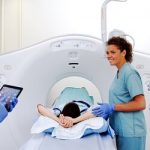 MRI Technologist
MRI Technologists use a machine to scan the body and create a detailed image of the inside for doctors to analyze.
 Respiratory Therapist
Respiratory therapists treat and care for patients who experience breathing difficulties.
 Ultrasound Technician
Ultrasound technicians aid physicians in monitoring and diagnosing patients through the use of ultrasonic imaging technology.
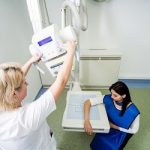 X-Ray Technician
X-Ray Technicians are medical imaging professionals who use technology to visualize the inside of our bodies.
Healthcare Admin & IT
 Healthcare Administrator
Healthcare administrators – also known as healthcare executives or health services managers – are responsible for the planning, direction, and coordination of medical and health services.
 Medical Biller and Coder
Medical billers and coders manage, organize, and code various health information data.
 Medical Office Manager
Medical Office Managers are unseen masters of controlled chaos, juggling the needs of healthcare professionals while keeping the non-clinical side of the office humming.
 Medical Transcriptionist
Medical transcriptionists go over voice recordings to convert them into written texts.
 Patient Access Representative
The work involves helping people to orient themselves to the space and everything that is going on.
 Registered Health Information Technician
Registered Health Information Technician (RHIT) help store and verify accuracy of health records as well as analyze patient data.
Animal Care
 Dog Groomer
Dog groomers attend to grooming dogs, usually at dog salons or big pet-related chain stores.
 Veterinary Assistant
Veterinary Assistants work closely with Veterinarians to handle routine animal care.
 Vet Office Manager
Veterinary office managers work to make sure that the daily operations run smoothly and efficiently at veterinary hospitals or veterinary clinics.
 Veterinary Technician
Veterinary Technicians assist veterinarians as well as diagnosing and treating animals, mostly in private clinics.