







What is a Patient Care Technician?
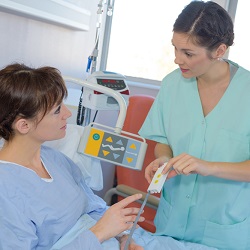
Patient care technicians work directly with patients and help them with daily activities.
Because most of these facilities are open 24/7, as a patient care technician you will probably also work night and weekend shifts.
If this career sounds interesting, we invite you to read this article to find out more about what patient care technicians do, how much they earn, and how to become one.
Duties
Although job responsibilities vary depending on the place of employment, the size of the healthcare facility, the technician’s level of training and skills, and the specialty, patient care technicians usually do the following:
- Serve meals
- Change bedding
- Measure and monitor the patients’ vital signs
- Make sure the patients eat and drink enough water
- Draw blood
- Administer IVs
- Talk to patients
- Assist patients with restroom needs
- Perform CPR
Salary
Salaries for medical professionals vary widely depending on the employee’s skills and certifications, and what tasks they are allowed to perform.
According to the Bureau of Labor Statistics, the median annual wage reported by nursing assistants in the United States was $41,270 as of May 2020.
This tells us that half of all workers in this profession earned less than this amount, while half earned more.
Salaries vary widely depending on the industry of employment, level of experience, region, and a variety of other factors.
The lowest 10 percent of all nursing assistants reportedly made less than $31,880 while the highest 10 percent made more than $50,240 annually.
The highest paying industry for this profession is junior colleges, a sector where nursing assistants were reportedly remunerated with $49,250 per year.
However, junior colleges hire only a few nursing assistants, and if you want a career in this sector, you may need additional training and certifications.
The biggest employers for nursing assistants, in general, are nursing care facilities, where nursing assistants are remunerated with $31,000 per year on average.
One way to improve your earnings is by earning additional certifications or by continuing your training and becoming a registered nurse, a profession remunerated by $75,330 on average.
To become a registered nurse, you need a Bachelor’s degree in nursing, an Associate’s degree, or a diploma from an approved nursing school.
This usually means that you will need between 2-4 years of training.
Annually National Average Salary: $41,270
Average Annual Salary by State
| State | Avg. Annual Salary |
|---|---|
| Alabama | $32,670 |
| Alaska | $48,550 |
| Arizona | $43,060 |
| Arkansas | $33,350 |
| California | $48,790 |
| Connecticut | $44,860 |
| Delaware | $40,120 |
| District of Columbia | $47,480 |
| Florida | $38,320 |
| Georgia | $37,090 |
| Hawaii | $45,480 |
| Idaho | $37,740 |
| Illinois | $43,950 |
| Indiana | $38,610 |
| Iowa | $40,590 |
| Kansas | $38,600 |
| Kentucky | $37,960 |
| Louisiana | $31,700 |
| Maine | $45,500 |
| Maryland | $42,070 |
| Massachusetts | $46,130 |
| Michigan | $40,210 |
| Minnesota | $45,230 |
| Mississippi | $31,750 |
| Missouri | $37,650 |
| Montana | $42,020 |
| Nebraska | $40,830 |
| Nevada | $44,360 |
| New Hampshire | $47,190 |
| New Jersey | $44,480 |
| New Mexico | $38,320 |
| New York | $47,530 |
| North Carolina | $37,980 |
| North Dakota | $42,530 |
| Ohio | $39,840 |
| Oklahoma | $34,900 |
| Oregon | $49,970 |
| Pennsylvania | $41,700 |
| Rhode Island | $43,740 |
| South Carolina | $35,970 |
| South Dakota | $38,070 |
| Tennessee | $37,040 |
| Texas | $37,010 |
| Utah | $39,240 |
| Vermont | $43,610 |
| Virginia | $40,160 |
| Washington | $49,960 |
| West Virginia | $36,320 |
| Wisconsin | $43,050 |
| Wyoming | $41,040 |
| Guam | $34,750 |
| Puerto Rico | $25,060 |
| Virgin Islands | $40,970 |
Annual Average Salary: Top 5 States
The top earning state in the field is Oregon, where the average salary is $49,970.
These are the top 5 earning states in the field:
* Employment conditions may vary by location.
How to Become a Patient Care Technician
Step 1 Finish High School
Most trade schools that offer training programs for nursing assistants and patient care technicians require candidates to possess a high school diploma before admission to a post-secondary program.
Focusing on classes that teach you the basics of human anatomy and communication can help you during post-secondary education.
Step 2 Finish Post-Secondary Training
Patient Care Technicians need to complete a certificate program that combines lectures with hands-on clinical and lab work.
Although curriculums vary, most programs cover topics such as:
- CPR
- Phlebotomy
- First aid
- Electrocardiography
- Communication
- Infection Control
- Safety and Sanitation Rules
In many states, you can start your career as a nursing aid and learn on-the-job other skills, such as phlebotomy or electrocardiography.
Step 3 Become Certified
After graduating from an approved training program, you will need to pass the NCLEX exam offered by the National Council of State Boards of Nursing before being allowed to work directly with patients and perform specific procedures.
Recommended Programs
Education Requirements
As a Patient Care Technician, you will need at least a high school diploma or equivalent, and you have to complete a post-secondary training program at a technical school or community college.
One option is to start your career as a nursing assistant after finishing a CNA training program and learning additional skills, such as phlebotomy or EKG, and gain additional certifications on the job.
Another option is to enroll in a dedicated Patient Care Technician Program or in a Medical Assistant program.
Some schools offer only on-site classes while others offer hybrid classes that can be completed either part-time or full-time.
Regardless of the type of program you choose, there are a few important areas that you need to cover:
- CPR and BLS
- Infection Control
- First Aid
- Safety and Sanitation
- Phlebotomy
- EKG
CNA training usually lasts a few weeks and costs around $1,500-$2,000 on average.
Medical assistant programs are also available at many trade schools across the nation and teach all the relevant skills a patient care technician needs but take between a few months and two years to complete.
Costs for medical assistant programs range from less than $5,000 to more than $15,000.
There are also dedicated Patient Care Technician classes available at several schools in the country, such as:
Cambridge College of Healthcare & Technology- Atlanta
This diploma program can be completed in 9 months and combines classroom learning with hands-on training.
According to their website, this is a hybrid program that is offered online and on-campus.
The curriculum covers many technical skills, including:
- Electrocardiography
- Restorative Care
- Phlebotomy
- Home Health Care Protocol
New Age Training – New York
This 125-hour program includes theory and clinical hands-on training and is designed for those who are already licensed CNAs and want to further their skills.
Lincoln Tech – Moorestown, New Jersey
The hands-on career training program offered by Lincoln Tech teaches students a variety of skills, including:
- Phlebotomy
- How to operate EKG machines
- CPR and BLS
- How to work with patients with diabetes
- How to practice wound care and ostomy care
Career Video Overview
Certification Requirements
As mentioned before, in order to be allowed to practice and to perform specific medical procedures on patients you will need to be certified by the nursing regulatory body in your area.
In order to receive this designation, you have to pass the NCLEX exam after graduating from an accredited training program.
Before taking the exam, you will need an Authorization to Test from the nursing regulatory body (NRB).
Eligibility requirements may vary depending on the region and it’s best to check with NRB from the region where you wish to practice.
You will also have to pay a $200 registration fee.
You can also improve your employment and earning prospects as a patient care technician by becoming certified through the National Center for Competency Testing.
Several routes can help you become certified by NCCT:
- You can apply for certification while you are enrolled in a Patient Care Technician Program but you will be required to submit the graduation documents within two years after completing the program to receive your certification.
- If you have already graduated from an accredited program within the last five years you can apply for certification by submitting a copy of your diploma or equivalent and paying a fee. This fee is $90 for those who want to take the test within six months of graduation and $135 for those who take the test after more than six months of graduation.
- You can also apply for certification if you have 1 year of work experience as a patient care technician under the supervision of a certified physician or primary care technician. In this case, the exam fee is $135.
- Those who have completed training during U.S. military service or are members of the United States Armed Forces and their spouses can also apply for this credential if they have relevant work experience of at least 1 year. The exam fee is $90.
Typical Training Program Length: 0-1 Year
Job Outlook
According to the Bureau of Labor Statistics, employment for nursing assistants will grow 2 percent from 2024 to 2034.
As the baby boom generation ages, the demand for medical services is expected to grow because more nursing assistants and patient care technicians will be hired to help older patients with their daily activities.
Job openings will occur, especially in nursing or residential care facilities.
Patient care technicians will also be needed in hospitals and clinics that provide care for patients who live with chronic heart conditions or diabetes.
10-Year Employment Growth Rate: 2%
2024
2034
That's a higher than average projected growth of 32,500.
Should You Become a Patient Care Technician?
Overall Satisfaction: Medium

Factors such as salary, work environment, job-related stress, skills, purpose, and personality are usually taken into account when someone decides if they are happy or not with their profession.
According to Payscale, the average job satisfaction reported by Patient Care Technicians is 3.79 out of 5 stars- which means that, on average, workers in this profession are satisfied with their job.
In other words, if you’re a compassionate person who likes helping others, this profession can be a lucrative and fulfilling career path.
However, it can also be physically and emotionally demanding, and many workers leave this occupation due to stress.
Average Salary: Medium

According to the Bureau of Labor Statistics, the median annual salary reported by nursing assistants in the United States was $41,270 as of May 2020, which means that half of all workers in this profession earned less than this amount, while half earned more.
Salaries for nursing assistants vary depending on a variety of factors, and the lowest 10 percent of all nursing assistants earned less than $31,880, while the highest 10 percent made more than $50,240.
This is lower than the national average salary, but if you have additional skills, like phlebotomy or ECG, you can have more job responsibilities and higher pay.
BLS reports that the median annual wage for medical assistants- a profession with a job description similar to that of patient care technicians- was $44,720 as of May 2020.
Salaries for medical assistants are influenced by many factors, including the worker’s level of experience, education, and region of employment.
The lowest 10 percent of all medical assistants earned less than $35,970, while the top 10 percent made more than $57,470.
However, salaries are also determined by the industry of employment, the region of employment, level of experience, local economy-among other factors.
Medical assistants who work in outpatient care centers reportedly made $38,860 on average, while those in offices of chiropractors made $31,470.
Job Growth Outlook: High

If you want to start a career as a patient care technician, your prospects are looking good, especially if you specialize in working with older people.
The BLS doesn’t include Patient Care Technicians as a stand-alone profession in their report, but employment for medical assistants is projected to grow 2 percent from 2024 to 2034, much faster than the average across all occupations.
Time to Complete Training: 0-1 Year

Depending on the path you choose, your training can last between a few weeks and two years.
If you want to start your career as a nursing assistant and gain additional certifications and skills on the job, then you can finish your education in a few weeks.
However, if you want a Degree or Diploma in Medical Assisting, you will need to finish a training program that lasts between a few months and two years.
Personal Skills Needed

To perform all the above tasks, Patient Care Technicians need a variety of skills, including:
- Compassion
- Empathy
- Communication skills
- Attention to detail
- Time management skills
- Physical strength
Frequently Asked Questions
How Long Does It Take to Become a Patient Care Technician?
Education and certification requirements vary depending on the type of job you are targeting.
If you want to start as a nursing assistant and build your way up towards a Patient Care Technician or Medical Assistant position, you will need a high school diploma and a diploma or certificate of completion.
Post-secondary Nursing Aide programs last between a few weeks and a few months.
If you want to start your career as a Medical Assistant, you will need to finish a post-secondary program that lasts between 6 months and a few years, depending on what credential you are targeting.
What Does a Patient Care Technicians Do?
Although job descriptions vary depending on the type of medical institution, their certification, and the patients they work with, patient care technicians usually have the following tasks included in their job description:
- Serving meals
- Assisting patients with their daily activities
- Changing bedding
- Measuring the patient’s vital signs
- Drawing blood samples
- Performing CPR
- Administering IVs
- Communicating with patients and their families and offering emotional support
How Much Does It Cost to Become a Patient Care Technician?
Training costs vary depending on the program you choose and the duration.
Shorter diploma programs that prepare you for entry-level employment as a nursing assistant usually cost between $1,500-$2,000, on average.
You will also have to pay an examination fee between $90-$125 to become certified.
Medical assistant training, on the other hand, costs between $5,000 and $15,000 but includes more skills and will give you better advancement options.
Will Patient Care Technicians Be Needed in the Future?
According to the Bureau of Labor Statistics, employment for allied health professions is projected to grow rapidly in the future.
The demand for medical assistants will grow 2 percent from 2024 to 2034, while the demand for nursing assistants is projected to grow 8 percent, according to the BLS.
Most job openings will occur in nursing homes and residential care facilities, so if you specialize in working with older people, your prospects are looking pretty good.
The demand for Patient Care Technicians is also dependent upon the level of federal or state funding and the extent to which nursing care expenses are covered by Medicaid or Medicare.
Job openings are also expected to result from the need to replace workers who leave this occupation due to stress.
 Patient Care Technician Info by State

- Alabama
- Alaska
- Arizona
- Arkansas
- California
- Colorado
- Connecticut
- Delaware
- Florida
- Georgia
- Hawaii
- Idaho
- Illinois
- Indiana
- Iowa
- Kansas
- Kentucky
- Louisiana
- Maine
- Maryland
- Massachusetts
- Michigan
- Minnesota
- Mississippi
- Missouri
- Montana
- Nebraska
- Nevada
- New Hampshire
- New Jersey
- New Mexico
- New York
- North Carolina
- North Dakota
- Ohio
- Oklahoma
- Oregon
- Pennsylvania
- Rhode Island
- South Carolina
- South Dakota
- Tennessee
- Texas
- Utah
- Vermont
- Virginia
- Washington
- West Virginia
- Wisconsin
- Wyoming
Patient Care Technician Resources
- What is a Patient Care Technician?
- The Costs for Becoming a Patient Care Technician
- 9 Best Online PCT Classes and Schools
- Travel PCT: Jobs, Training, Salary and Everything Else
- Is There a Demand for Patient Care Technicians?
- Patient Care Technician: 5 Things You Need to Know Before Becoming One
- Patient Care Technician Certification Requirements
- PCT VS CNA: What’s The Difference?
- How Much Does a PCT Make an Hour?
- Medical Assistant VS Patient Care Technician
- 13 Pros and Cons of Being a Patient Care Technician
Discover Additional Medical Careers
Nursing & Patient Care
 Certified Nursing Assistant
Working as a Certified Nursing Assistant is an entry-level role that will give you hands-on experience when you are ready to take the next step in your medical career.
 Dental Hygienist
Dental hygienists take care of cleaning teeth to promote hygiene and help avoid cavities and gum problems.
 EMT
EMTTrained emergency medical technician that arrives at the scene to provide medical services such as resuscitation.
 Home Health Aide
Home health aides provide home care to individuals who require assistance in their day-to-day living.
 Licensed Practical Nurse (LPN)
Licensed Practical Nurses provide basic nursing care to patients and work with Registered Nurses and Doctors.
 Nurse Practitioner
A Nurse Practitioner can diagnose, treat, counsel, and prescribe medications to patients in hospitals or doctors’ offices.
 Physical Therapist Assistant
Physical therapist assistants provide physical therapy services to patients and aide to physical therapists.
 Professional Recovery Coach
A professional recovery coach is a life coach who works with someone during their addiction recovery process.
 Registered Nurse (RN)
Registered Nurses provide hands-on patient care in various settings, mainly hospitals, and clinics.
Allied Health & Clinical
 Dental Assistant
Dental assistants help dentists to provide patient care, keep records, and care for the dental equipment.
 Dialysis Technician
Dialysis technicians maintain and monitor dialysis equipment, and also act as primary caregivers for patients undergoing dialysis treatment.
 Medical Assistant
Medical assistants support the work of physicians, nurses, and other health professionals.
 Medical Technologist
Medical laboratory technologists collect bodily samples and conduct tests to analyze those samples.
 Mental Health Technician
A Mental Health Technician is a healthcare support professional who assists licensed clinicians in caring for individuals with mental, emotional, or behavioral conditions.
 Nutritionist
As a Nutritionist, you’ll be tasked with creating meal plans, counseling, and understanding dietary restrictions for all types of clients.
 Optician
Opticians are technicians and salespersons at the same time who spends most of their day talking to customers, reading prescriptions written by doctors, and dispensing glasses and lenses.
 Pharmacy Technician
Pharmacy technicians provide patients with medications through prescription or over the counter.
 Phlebotomy Technician
As a Phlebotomist, it will be your responsibility to take blood samples from patients and send them to the lab for further testing.
 Sterile Processing Technician
A sterile processing technician is a healthcare professional who is responsible for preparing, sterilizing, maintaining, packaging, and storing medical tools and equipment used in surgical and other medical procedures.
 Surgical Technologist
Surgical technologists – also known as operating room techs – prepare operating rooms and assist doctors and nurses during surgical procedures.
Imaging & Diagnostic
 MRI Technologist
MRI Technologists use a machine to scan the body and create a detailed image of the inside for doctors to analyze.
 Respiratory Therapist
Respiratory therapists treat and care for patients who experience breathing difficulties.
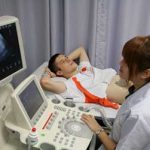 Ultrasound Technician
Ultrasound technicians aid physicians in monitoring and diagnosing patients through the use of ultrasonic imaging technology.
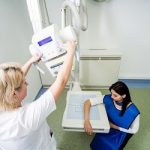 X-Ray Technician
X-Ray Technicians are medical imaging professionals who use technology to visualize the inside of our bodies.
Healthcare Admin & IT
 Healthcare Administrator
Healthcare administrators – also known as healthcare executives or health services managers – are responsible for the planning, direction, and coordination of medical and health services.
 Medical Biller and Coder
Medical billers and coders manage, organize, and code various health information data.
 Medical Office Manager
Medical Office Managers are unseen masters of controlled chaos, juggling the needs of healthcare professionals while keeping the non-clinical side of the office humming.
 Medical Transcriptionist
Medical transcriptionists go over voice recordings to convert them into written texts.
 Patient Access Representative
The work involves helping people to orient themselves to the space and everything that is going on.
 Registered Health Information Technician
Registered Health Information Technician (RHIT) help store and verify accuracy of health records as well as analyze patient data.
Animal Care
 Dog Groomer
Dog groomers attend to grooming dogs, usually at dog salons or big pet-related chain stores.
 Veterinary Assistant
Veterinary Assistants work closely with Veterinarians to handle routine animal care.
 Vet Office Manager
Veterinary office managers work to make sure that the daily operations run smoothly and efficiently at veterinary hospitals or veterinary clinics.
 Veterinary Technician
Veterinary Technicians assist veterinarians as well as diagnosing and treating animals, mostly in private clinics.