









Job Description
Often the Patient Access Representative is one of the first people that patients meet at a hospital or medical facility.
The work involves helping people to orient themselves to the space and everything that is going on.
Duties
The work does include administrative tasks, but it does include helping people every day.
These duties help smooth administrative matters and help patients understand the process.
These responsibilities include:
- Meet with patients, family members, and any caregivers when they come in. Also, provide access to any clergy that attends to the patient.
- Gather a medical history, patient notes, insurance information, and any billing information. This can be critical to ensuring that information is correct.
- Create the documentation for admission and eventual discharge of the patient. Again, while creating and collecting personal information may not be the most comfortable job for everyone, it is important to ensure the health of the individual.
- Create various medical documents needed by the hospital. Hospitals involve many employees so being able to communicate clearly with other employees is important. Often this is through written documents. Being able to express yourself clearly in writing is important to keep patients on the road to health. Without that, patients can slip through the cracks and become worse. This is why communication among staff is so important on a daily basis.
- Explain any policies to the patient and ensure that they understand what is going on. Every hospital and healthcare facility has different procedures and policies. That’s why it’s so important for each person to understand what is expected and going on.
Daily Responsibilities
- Explain hospital protocols and policies to patients and their families. Also, make any arrangements with visiting clergy that are needed. Every day may have different changes but helping new patients understand the protocols and any billing information can help them have a calmer stay even though they are undergoing medical treatments.
- Answer any questions or concerns that patients may have. Being in the hospital or a healthcare facility is not a comfortable situation so helping people understand what is going on and all the information that they need makes everyone more comfortable.
- Maintain patient records by entering their information in databases and ensuring its accuracy. This requires basic computer skills. If the hospital or healthcare facility uses specialized databases or software, they will provide you with training on that.
- If needed, convey relevant information to medical staff.
- Help patients understand payment options and the billing methods available.
Salary
Average Pay for a Patient Access Representative at Northwestern Medical Center
The pay range depends on where you are geographically located.
However, some areas do pay more.
At Northwestern Medical Center, Patient Access Representatives earn $20 an hour.
This is the usual pay for this job.
But be aware that the job may also include bonuses, medical care, and stock options that make the pay scale better.
Pay Scale in Pennsylvania
The average pay for Patient Access Representatives in Pennsylvania is $50,000 a year.
Pay Scale in Louisiana
Patient Access Representatives earn $48,000 a year.
While this figure is based on tax information, people in this occupation earn anywhere from $18,000 to 48,000.
This depends on education and experience.
Pay Scale in Florida
Here again, patient access representatives earn on average $50,500 a year.
This does not include tips or bonuses that may add to the overall income.
Pay Scale in California
Patient Access Representatives in California earn about $68,000 a year.
Again, this doesn’t include any bonuses or tips.
Pay Scale in New York
The average pay scale of a Patient Access Representative in New York is $64,500 a year.
This base pay can grow as an individual’s education and experience grow.
Pay Scale in Texas
Patient Access Representatives in Texas earn about $51,500 each year.
This does not include tips or any bonuses.
All figures are based on tax returns.
Overall Salary Expectations for a Position as a Patient Access Representative
The base salary overall for a patient access representative is between $35,000 a year and $80,000 a year.
It really depends on the amount of education and experience.
Positive interactions with patients also make a big difference.
If you choose this occupation, get the education and work experience that you need, then give yourself to taking care of your patients.
That personal touch is the most important part.
No one likes to be in the hospital, so a friendly, helpful face makes the whole experience so much easier.
Patient resource representatives are an important part of the medical process for all patients.
They are the professionals who liaise between the medical facility and the patient.
Their predominant tasks are interacting with the patients, their families, or caregivers, and taking care of administrative tasks.
This means that the professional needs to be friendly, welcoming, and helpful when collecting medical history and insurance information and communicating with the appropriate staff as needed.
This means that a patient access representative must understand how to handle sensitive personal information.
Another major task that could be uncomfortable for some is talking with patients about billing and information.
If there are any questions or complaints, the professional needs to be able to sensitively resolve the situation.
Annually National Average Salary: $55,970
Average Annual Salary by State
| State | Avg. Annual Salary |
|---|---|
| Alabama | $42,830 |
| Alaska | $60,600 |
| Arizona | $52,200 |
| Arkansas | $46,430 |
| California | $68,080 |
| Connecticut | $61,230 |
| Delaware | $51,630 |
| District of Columbia | $76,990 |
| Florida | $50,320 |
| Georgia | $53,440 |
| Hawaii | $64,690 |
| Idaho | $53,010 |
| Illinois | $53,670 |
| Indiana | $49,960 |
| Iowa | $52,640 |
| Kansas | $53,080 |
| Kentucky | $50,740 |
| Louisiana | $48,270 |
| Maine | $51,940 |
| Maryland | $64,380 |
| Massachusetts | $60,460 |
| Michigan | $51,540 |
| Minnesota | $60,240 |
| Mississippi | $43,940 |
| Missouri | $52,940 |
| Montana | $51,630 |
| Nebraska | $55,890 |
| Nevada | $63,950 |
| New Hampshire | $52,310 |
| New Jersey | $56,730 |
| New Mexico | $51,470 |
| New York | $64,550 |
| North Carolina | $53,210 |
| North Dakota | $54,800 |
| Ohio | $57,620 |
| Oklahoma | $51,120 |
| Oregon | $59,520 |
| Pennsylvania | $50,920 |
| Rhode Island | $60,830 |
| South Carolina | $55,520 |
| South Dakota | $53,240 |
| Tennessee | $57,510 |
| Texas | $51,020 |
| Utah | $53,880 |
| Vermont | $52,960 |
| Virginia | $54,460 |
| Washington | $68,020 |
| West Virginia | $46,600 |
| Wisconsin | $56,970 |
| Wyoming | $56,610 |
| Guam | $37,010 |
| Puerto Rico | $26,930 |
Annual Average Salary: Top 5 States
The top earning state in the field is District of Columbia, where the average salary is $76,990.
These are the top 5 earning states in the field:
* Employment conditions may vary by location.
How to Become
Step 1 Finding the Right Education Options
Looking for a major to become a patient access representative can be confusing at first.
But it doesn’t have to be.
If you decide to pursue a bachelor’s degree, consider looking into healthcare administration.
Other areas to explore include nursing, psychology, and business.
These degrees all build the skills that companies are looking for.
Step 2 Build and Share Your Knowledge
There are several skills that are important for a patient access representative.
These include the ability to easily communicate with patients, an understanding of medical terminology, being able to provide service to patients, and the ability to take care of administrative tasks.
The next thing is to complete an internship.
Step 3 Following Your School Courses
After your school courses, you will need to spend some time with an internship which will give you anywhere from a month to three months of on-the-job training.
This allows you to get comfortable in the position and even learn new skills.
Building this level of competency makes you more attractive to employers. While you are working, you are truly learning what it means to be a patient access representative.
You’ll learn about the actual work duties and what is required each day.
This can help you decide if this is the right career for you.
What You Will Learn
You’ll learn how to use any specialized software for patient records.
You’ll also learn how to manage patient care with regard to confidentiality and HIPPA.
Then there is learning about the Medicaid and Medicare systems and how to navigate those government systems to the benefit of your patients.
If a patient is receiving managed care from these services, it can be difficult to understand how to process these care plans and payment processes.
But by doing this work, you will learn how to care for your patients even when it seems challenging.
This is especially true if your patient is having a medical emergency, is elderly, or is very low-income.
This is where your compassion, empathy, and best customer skills come into play.
Step 4 Getting Ready for Your New Job
When you have completed your education and internship, it’s time to make sure that your resume reflects the skills that you have developed.
Take your time and truly consider the courses and work experience that you have been through.
While you are thinking about this, start looking at potential companies.
Also, talk with your friends and colleagues about potential positions and the quality of work experience.
Recommended Programs
Getting the right education for the job
Employers are looking for individuals with a bachelor’s degree and some experience in the healthcare field.
Although some take people who have GEDs, so it’s important to do your research.
The skills that most hiring managers look for are customer service, communication, and computer skills.
There are steps to becoming certified to do this type of work.
Education is the key to securing a position as a patient access representative.
Every employer is different but the more education you have, the better your job will bill.
Some want employees to have a college education.
Approximately 35% of employers have this requirement.
While some may have this requirement, most positions only require a high school diploma or GED which makes this a much easier option for most people
Career Video Overview
Licensing and Certification
While you do need to attend education courses to enter this procession, there are no certification requirements.
Most employers are looking for individuals who have both people skills and administrative skills.
Getting the education and on-the-job training that you need are all important to show that you have the skills needed for the job.
As the population ages, the need for qualified Patient Access Representatives grows.
The need for people who can care for others is important.
If you can be empathetic and still take care of administrative tasks, this might be the right job for you.
Typical Training Program Length: 0-6 Months
Job Outlook
Medical records specialists in the United States are expected to grow at a rate of about 7% over the next 10 years.
10-Year Employment Growth Rate: 7%
2024
2034
That's a higher than average projected growth of 13,800.
Should You Become a Patient Access Representative?
Overall Satisfaction: High

Professionals in this role report high overall job satisfaction.
Many appreciate the opportunity to interact with patients, support healthcare operations, and develop valuable administrative and communication skills.
Average Salary: Medium

Patient Access Representatives typically earn a moderate income, reflecting the administrative and support nature of the role.
While entry-level salaries are modest, there is potential for growth with experience, certifications, and advancement into supervisory or specialized positions.
Job Growth Outlook: Medium

The demand for Patient Access Representatives is expected to grow at a moderate pace.
As healthcare facilities expand and patient volumes increase, there will be steady opportunities for skilled professionals in this role, with potential for advancement into administrative or management positions.
Time to Complete Training: 0-6 Months

Becoming a certified Patient Access Representative typically takes between 1 and 4 months, depending on the program.
This relatively short training period allows you to quickly enter the workforce and start gaining hands-on experience in healthcare administration.
Personal Skills Needed

Patient Access Representatives need strong interpersonal skills to interact effectively with patients, families, and healthcare teams.
Key qualities include empathy, active listening, clear communication, patience, and the ability to remain professional in sometimes stressful situations.
Frequently Asked Questions
How long is the education?
The schooling doesn’t have to be that long, but the work can be very meaningful.
The biggest thing is staying focused to get the schooling and work experience that you need.
For many people, this is the perfect job but you do have to put the work into it before you see the results.
What is the salary of Patient Access Representatives?
Most Patient Access Representatives earn $35,000 to $80000 a year.
This could be an option for you if you love caring for other people and helping them get the best help and care that they can find.
This is the perfect opportunity to care for your family while using your personal skills.
During your schooling, you will develop additional skills that will help you care for patients on a daily basis.
What are personal skills needed?
Best Skills for a Patient Access Representative – Empathy and organization.
You’ll also need to know basic computer skills so that you can take care of patient records.
 Patient Access Representative Info by State

- Alabama
- Alaska
- Arizona
- Arkansas
- California
- Colorado
- Connecticut
- Delaware
- Florida
- Georgia
- Hawaii
- Idaho
- Illinois
- Indiana
- Iowa
- Kansas
- Kentucky
- Louisiana
- Maine
- Maryland
- Massachusetts
- Michigan
- Minnesota
- Mississippi
- Missouri
- Montana
- Nebraska
- Nevada
- New Hampshire
- New Jersey
- New Mexico
- New York
- North Carolina
- North Dakota
- Ohio
- Oklahoma
- Oregon
- Pennsylvania
- Rhode Island
- South Carolina
- South Dakota
- Tennessee
- Texas
- Utah
- Vermont
- Virginia
- Washington
- West Virginia
- Wisconsin
- Wyoming
Patient Access Representative Resources
- 16 Pros and Cons of Being a Patient Access Representative
- 9 Best Online Patient Access Representative Training Programs
- How Much Does It Cost to Become a Patient Access Representative?
Discover Additional Medical Careers
Nursing & Patient Care
 Certified Nursing Assistant
Working as a Certified Nursing Assistant is an entry-level role that will give you hands-on experience when you are ready to take the next step in your medical career.
 Dental Hygienist
Dental hygienists take care of cleaning teeth to promote hygiene and help avoid cavities and gum problems.
 EMT
EMTTrained emergency medical technician that arrives at the scene to provide medical services such as resuscitation.
 Home Health Aide
Home health aides provide home care to individuals who require assistance in their day-to-day living.
 Licensed Practical Nurse (LPN)
Licensed Practical Nurses provide basic nursing care to patients and work with Registered Nurses and Doctors.
 Nurse Practitioner
A Nurse Practitioner can diagnose, treat, counsel, and prescribe medications to patients in hospitals or doctors’ offices.
 Patient Care Technician
Patient care techs work directly with patients helping them with daily activities and assist the medical staff by measuring and monitoring the patients' vital signs among other tasks.
 Physical Therapist Assistant
Physical therapist assistants provide physical therapy services to patients and aide to physical therapists.
 Professional Recovery Coach
A professional recovery coach is a life coach who works with someone during their addiction recovery process.
 Registered Nurse (RN)
Registered Nurses provide hands-on patient care in various settings, mainly hospitals, and clinics.
Allied Health & Clinical
 Dental Assistant
Dental assistants help dentists to provide patient care, keep records, and care for the dental equipment.
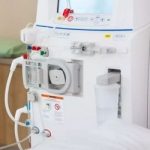 Dialysis Technician
Dialysis technicians maintain and monitor dialysis equipment, and also act as primary caregivers for patients undergoing dialysis treatment.
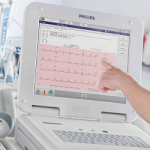
 Medical Assistant
Medical assistants support the work of physicians, nurses, and other health professionals.
 Medical Technologist
Medical laboratory technologists collect bodily samples and conduct tests to analyze those samples.
 Mental Health Technician
A Mental Health Technician is a healthcare support professional who assists licensed clinicians in caring for individuals with mental, emotional, or behavioral conditions.
 Nutritionist
As a Nutritionist, you’ll be tasked with creating meal plans, counseling, and understanding dietary restrictions for all types of clients.
 Optician
Opticians are technicians and salespersons at the same time who spends most of their day talking to customers, reading prescriptions written by doctors, and dispensing glasses and lenses.
 Pharmacy Technician
Pharmacy technicians provide patients with medications through prescription or over the counter.
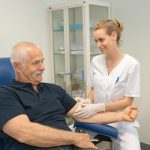 Phlebotomy Technician
As a Phlebotomist, it will be your responsibility to take blood samples from patients and send them to the lab for further testing.
 Sterile Processing Technician
A sterile processing technician is a healthcare professional who is responsible for preparing, sterilizing, maintaining, packaging, and storing medical tools and equipment used in surgical and other medical procedures.
 Surgical Technologist
Surgical technologists – also known as operating room techs – prepare operating rooms and assist doctors and nurses during surgical procedures.
Imaging & Diagnostic
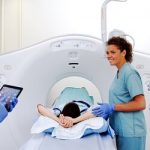 MRI Technologist
MRI Technologists use a machine to scan the body and create a detailed image of the inside for doctors to analyze.
 Respiratory Therapist
Respiratory therapists treat and care for patients who experience breathing difficulties.
 Ultrasound Technician
Ultrasound technicians aid physicians in monitoring and diagnosing patients through the use of ultrasonic imaging technology.
 X-Ray Technician
X-Ray Technicians are medical imaging professionals who use technology to visualize the inside of our bodies.
Healthcare Admin & IT
 Healthcare Administrator
Healthcare administrators – also known as healthcare executives or health services managers – are responsible for the planning, direction, and coordination of medical and health services.
 Medical Biller and Coder
Medical billers and coders manage, organize, and code various health information data.
 Medical Office Manager
Medical Office Managers are unseen masters of controlled chaos, juggling the needs of healthcare professionals while keeping the non-clinical side of the office humming.
 Medical Transcriptionist
Medical transcriptionists go over voice recordings to convert them into written texts.
 Registered Health Information Technician
Registered Health Information Technician (RHIT) help store and verify accuracy of health records as well as analyze patient data.
Animal Care
 Dog Groomer
Dog groomers attend to grooming dogs, usually at dog salons or big pet-related chain stores.
 Veterinary Assistant
Veterinary Assistants work closely with Veterinarians to handle routine animal care.
 Vet Office Manager
Veterinary office managers work to make sure that the daily operations run smoothly and efficiently at veterinary hospitals or veterinary clinics.
 Veterinary Technician
Veterinary Technicians assist veterinarians as well as diagnosing and treating animals, mostly in private clinics.